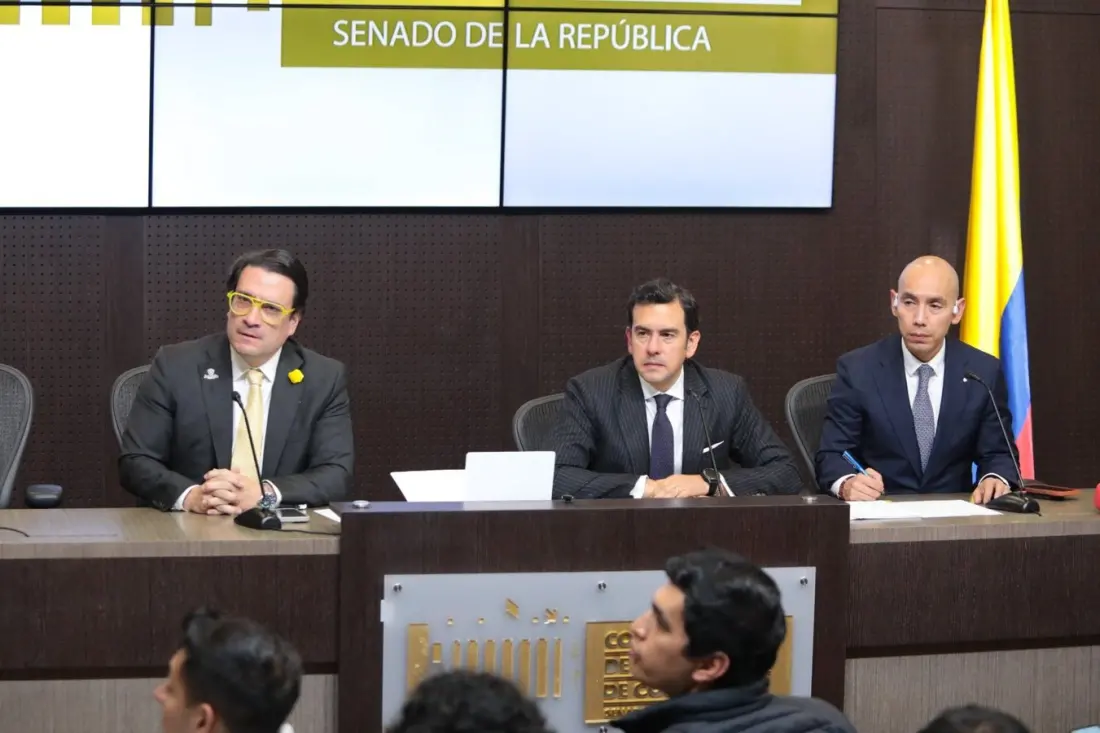
Colombia's Congress has received a bill that would replace the 'Total Peace' negotiation policy of former president Gustavo Petro with a hard-edged system of surrender deals. Under the proposal, presented by Interior Minister Rodrigo Lara and Justice Minister Ivan Cancino, members of illegal armed groups would get reduced sentences — up to 50% off — in exchange for disarming, handing over assets and cooperating with investigators. There would be no political negotiations: lawyers would handle initial contact, and the old cast of government delegates and negotiators disappears from the process.
The incentives are tied to concrete actions. Cooperating fighters could earn benefits by identifying drug-trafficking routes, dismantling labs, manually eradicating illicit crops or helping with demining. Informants on corruption networks — including links between criminal groups and politicians — could also qualify. Groups that accept the terms would have a maximum of three months to comply before the judicial phase begins, and disarmament, asset surrender and steps to reintegrate recruited minors are all mandatory.
Victims sit at the centre of the framework: their input would count in decisions on judicial benefits and parole. Seized assets would go exclusively to compensating victims, with no share returned to those responsible. Crucially, arrest warrants and extradition requests stay active while the government assesses whether a group is genuine about surrendering — closing what officials saw as a loophole under the previous model, where talks could shield groups from justice.
The scale of the problem explains why the government wants a single, common framework. Roughly 29,000 people belong to some 172 structures under about 10 armed organisations, according to Ideas for Peace Foundation data cited in the bill. The Gulf Clan is the largest with 10,602 members, followed by the ELN (7,123), the Central General Staff under alias Ivan Mordisco (up to 4,480) and a Second Marquetalia splinter, the National Coordinator of the Bolivarian Army (up to 2,359). Urban gangs in Buenaventura, Quibdo and the Aburra Valley add to the picture. Passage looks likely, since the government of President Abelardo de la Espriella holds majorities in both chambers.
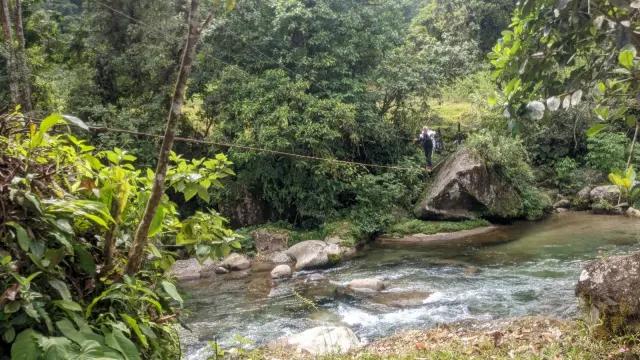
For travellers, this is context rather than an immediate alert. Colombia remains a country most people visit without trouble — Bogota, Medellin, Cartagena and the coffee region sit well outside the territories where these groups operate. But destinations like Buenaventura and parts of the Pacific coast have seen more security incidents, and the shift away from negotiated peace could mean periodic military activity in rural areas over the next four years. Anyone planning remote treks, border-region travel or visits to departments like Choco, Arauca or Catatumbo should check current advisories before setting off. The story to watch is whether this harder line actually reduces the criminal economies — extortion, coca and illegal mining — that shape security on the ground, in places most tourists never see but some adventurous travellers do.