A Croatian auction is giving history buffs an unusual window into Dalmatia's past — and a chance to own a piece of it. Collector Igor Goleš, best known for his Forgotten Dalmatia project, is back after a two-year break with a sale of rare items tracing the region's everyday life, commerce and art.
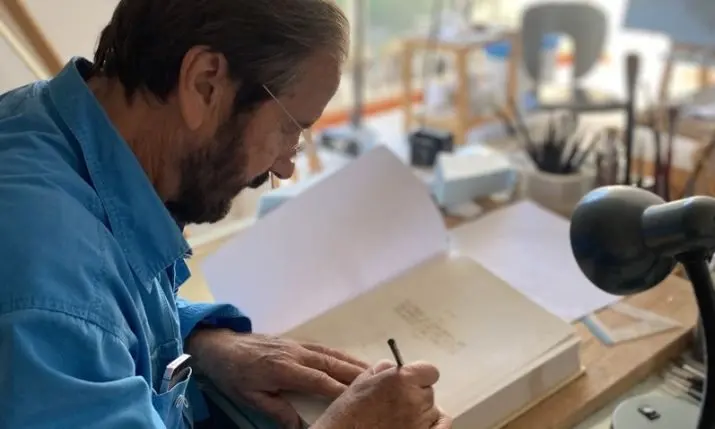
The headline lot for many will be a deluxe edition of Goleš's own book, Pozdrav iz zaboravljene Dalmacije (Greetings from Forgotten Dalmatia). Only 25 numbered copies exist, and the one up for auction is number 4. It's a monster: a 950-page hardback weighing nearly five kilograms, packed with more than 1,500 photographs of Dalmatian towns and villages taken between 1893 and 1940 — fishermen, farmers, village panoramas, departing emigrants. Each copy contains a different original drawing of a Dalmatian landscape by Zvonimir Mihanović, the hyperrealist painter whose work sits in the White House collection and counts Forbes family members among his buyers.
Then there's one of Croatian numismatics' great oddities: a merchant's token called the liter, issued by Metković trader Mate Šarić around the turn of the 20th century. Šarić paid his workers in these tokens, which they could only spend at his shops or at canteens he had deals with — a quirky snapshot of commerce before banking reached the region. For decades only three examples were known, and two vanished from a monastery museum in Sinj. Collector Zlatko Huzek spent nearly 40 years hunting them down, eventually uncovering previously undocumented denominations including one-eighth and three-tenths of a litre. The example now at auction has never appeared at a Croatian sale before.
Art lovers get something too: a previously unknown oil painting by Andrija Maurović, the pioneer of Croatian comics, from his so-called erotic period. It spent more than 40 years in a private Zagreb collection and is going public for the first time, alongside a related watercolour. Maurović, born in 1901 in Muo in Boka Kotorska, created more than 80 comic works, including Ljubavnica s Marsa and Duh u močvari.
Rounding out the sale is a 1783 document from the Republic of Dubrovnik, recording the highest civic honour awarded to Tomo Basegla and his family — a rare paper survival from the maritime republic that ran its own affairs until Napoleon's era ended its independence in 1808.
For travellers with an interest in Dalmatia beyond the beach bars, this auction is a nice reminder of how much layered history sits behind Split, Metković and Dubrovnik's postcard facades. Even if bidding isn't your thing, Goleš's archive site is worth an hour of browsing before a Dalmatian trip — hundreds of old photographs show how the coastal towns you'll visit looked a century ago. He's also working on a new book of historical Croatian postcards, due in November 2027. The current auction is viewable at aukcije.zaboravljenadalmacija.hr.