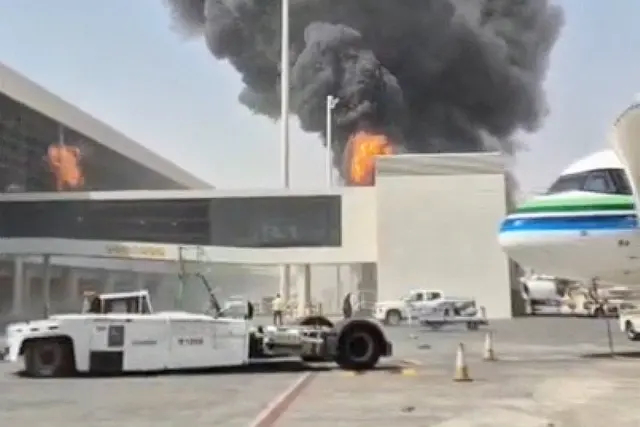
King Khalid International Airport in Riyadh has been struck four times in five days, with a Houthi missile hitting the domestic terminal on Sunday night and killing one person — a Pakistani national — and injuring 11 others. It came barely a day after a bigger attack on the same terminal left 12 dead and more than 300 wounded, some critically. India's embassy later reported one of its citizens died of injuries from the Saturday strike, putting the toll at 13.
The airport has been closed since Saturday's attack, the deadliest in a Gulf Arab state since the wider Iran war began. Saudi authorities also said King Fahd International Airport in Dammam, on the Gulf coast near Bahrain and Qatar, came under attack, though details were thin.
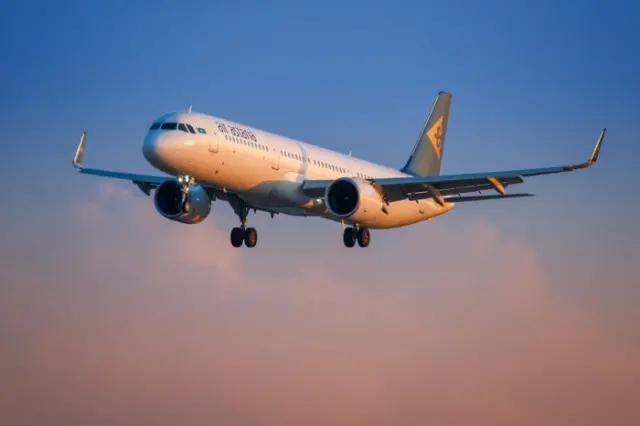
For travellers, the practical fallout is immediate. Some airlines have suspended flights serving Saudi airports, and several embassies are warning their citizens about the risks of flying through them, after repeated Houthi threats over the use of Saudi airspace. Even King Khalid's arrivals hall — where security camera footage shows pilgrims in white ihram robes queuing moments before the fireball hit — is now a reminder that civilian aviation infrastructure is squarely in the line of fire.
The timing is pointed. The strikes landed while Riyadh was hosting a major international energy conference, with an investment summit still to come. Crown Prince Mohammed bin Salman has spent years positioning Saudi Arabia as an open destination for business and tourism, and this escalation directly undercuts that pitch. Saudi Energy Minister Prince Abdulaziz bin Salman struck a defiant note at the conference: "There is no way that somebody will break our back. We are like a phoenix, we come out of the ashes all the time."
Behind the scenes, the kingdom is reportedly running low on missile interceptors and has asked France, Britain, Pakistan and Egypt for air defence support. US President Donald Trump says he is weighing joining the fight against the Houthis — a move that could trigger rebel attempts to choke shipping through the Bab el-Mandeb Strait at the southern end of the Red Sea, with knock-on effects for oil prices and regional airspace.
The ceasefire that held from 2022 collapsed in July, when the Houthis resumed attacks claiming Saudi fire targeted Sanaa airport as a plane from Iran tried to land. Since then, both sides have traded strikes: Houthi-run media reported fresh hits on Sanaa on Sunday, and the rebel Health Ministry claims 91 Yemenis killed by the Saudi-led coalition in five weeks. Analysts suggest the airport attacks may harden Riyadh's resolve rather than push it to step back.
Anyone with flights booked to, from or through Saudi Arabia in the coming weeks should check directly with their airline, monitor their embassy's travel advisories, and expect schedules across the kingdom — including Dammam — to change at short notice. The original report is from Daily Sabah Travel.