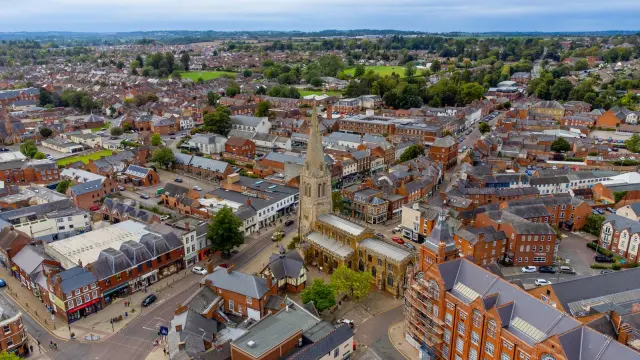
A short drive from Leeds sits Rothwell, a former mining town that most travellers speed past on the way to bigger Yorkshire names. That's a mistake — this compact settlement packs in a medieval church with royal connections, two solid green spaces, a surprisingly good food scene, and one of the strangest monuments you'll see anywhere: the Rothwell Arch, a 100-year-old structure on the town's northern edge built from the jawbones of a whale.
The history here runs deep. People lived in the area during the Bronze Age and Romano-British periods, and the name itself comes from Old English meaning "well by the clearing." After appearing in the Domesday Book under Ilbert de Lacy in 1086, the de Lacy family built a castle opposite what is now Holy Trinity Church. In the early 1200s, with the heir too young to hold it, King John took the castle over as his own manor — he called it his "Hospitium de Rowell" — and granted Rothwell its market charter in 1204. Legend adds a flourish: John of Gaunt supposedly killed England's last wild boar here in 1398, on land that is now Rothwell Country Park. Henry VIII turned the hunting grounds back to pasture in 1530, and coal mining later reshaped the town until the deep pits closed in 1983.
One quirky legacy survives from those years: Rothwell sits inside the Rhubarb Triangle, a nine-square-mile patch of West Yorkshire where forced rhubarb is harvested each winter between January and March.
The headline sight is Holy Trinity Church, built by the de Lacys around 1130 in Norman style. Its grounds include the remains of Rothwell Castle and the old manor grounds, now known as Churchfields. Look inside for the weeping chancel — where the nave sits slightly off-axis — gilded beamed ceilings and a 15th-century square stone tower typical of the region. The building has been restored many times over the centuries, so it's a blend of eras rather than a pure medieval survivor, but guided tours run on the first Friday of each month from 10 a.m. to noon; otherwise you can see the publicly accessible areas during a regular service.
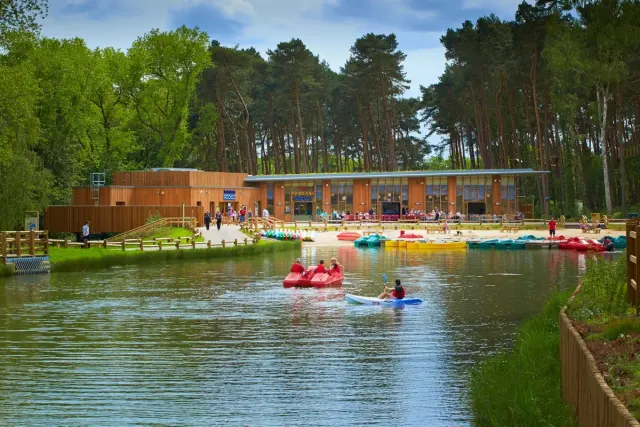
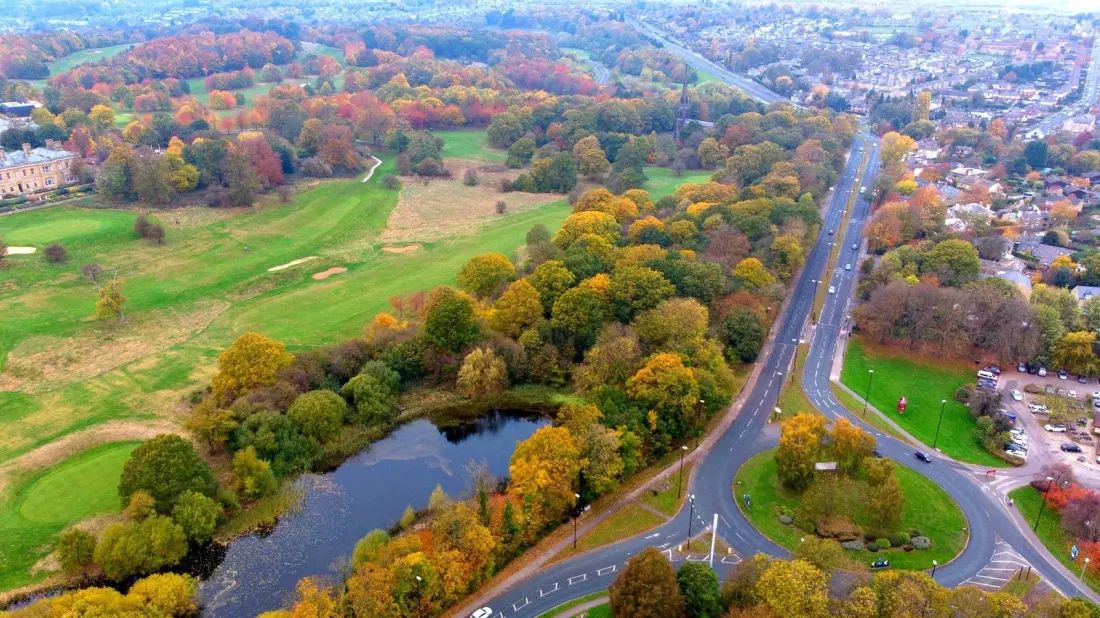
For a day out, pair the church with Springhead Park, which has tree-lined walks, gardens and a stream, plus a café on site called The Pavilion Café. Rothwell Country Park adds open space and woodland a short distance away. Food-wise, The Hare & Hounds does classic British fish and chips, Wood Fire Dine is a family-run spot serving Neapolitan pizza, and Gray's is the pick for coffee and pastries.
Rothwell suits day-trippers based in Leeds — it's about 20 minutes by car, or under an hour from Sheffield — who want a low-key Yorkshire stop with genuine history rather than gift shops. Pack for the weather: summers are short and mild, winters long and dark, so bring a rain jacket, waterproof walking shoes, warm layers and an umbrella. Source: Islands.