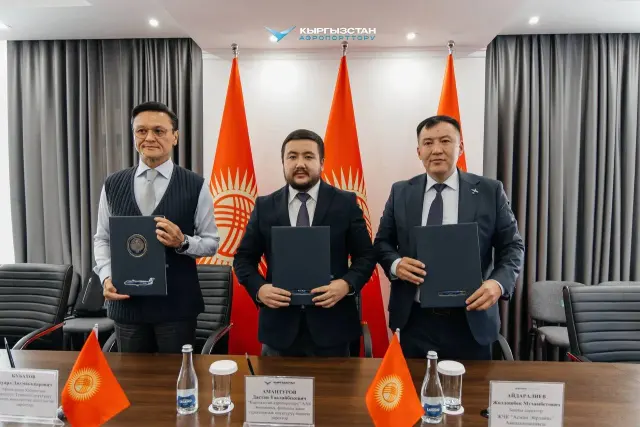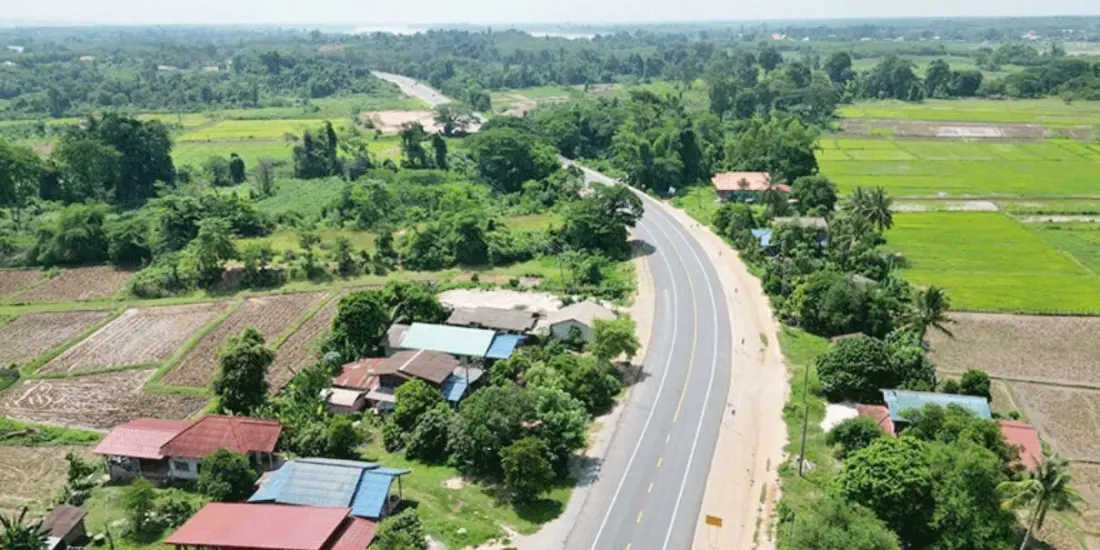
A new 490-kilometre road running along Laos' border with Vietnam is moving forward. Officials gathered in Khammouane province on 19 November to set up the steering committees that will manage the project, with Saichay Kommasith — Deputy Minister of National Defence and chief of the Lao army's general staff — laying out how the work will be coordinated.
The route will cross three provinces: Khammouane, Bolikhamxay and Xieng Khouang. It's split into three phases, starting with a 92-kilometre stretch from Ban Phone in Boualapha district to Ban Maka in Bolikhamxay, then 140 kilometres to Namphao, and finally a 258-kilometre run up to Ban Nam On and Ban Nam Kan in Xieng Khouang. Funding is expected to come from Vietnamese government assistance plus financing from CLE 1 Co., Ltd., which also wants the road to serve a wind power project — one reason the border zone is suddenly attracting serious money.
Not everyone is cheering. The Nakai-Nam Theun National Park Office briefed the meeting on park boundaries and where the route could clip protected forest, and officials flagged the need to identify and manage affected forest areas. Given that Nakai-Nam Theun is one of Southeast Asia's most important remaining wilderness areas, how that tension plays out matters to anyone who visits Laos for its wild side.
The border road isn't the only big link in motion. Laos and Vietnam are separately pushing a 700-kilometre Vientiane–Hanoi Expressway corridor worth more than USD 2.8 billion. Vietnam started a 60-kilometre section in Nghe An province in May; on the Lao side, a 203.8-kilometre stretch from Paksan to the border is targeted for completion in 2030, with a further 126 kilometres planned between the capital and Paksan. There's also a proposed 485-kilometre highway to the Namsoi border checkpoint in Houaphanh.
Rail is on the table too: a 562-kilometre line from Vientiane to Vung Ang Port in Ha Tinh province, estimated at USD 6.6 billion overall, with Laos asking for USD 1.3 billion to fund its first section in Khammouane. Unexploded ordnance clearance along that route — a legacy of wartime bombing in the region — hit 90 percent in November, clearing the way for construction to begin.
Why should a traveller care? None of this is bookable yet, but it sketches out the future of overland travel between two of Asia's least crowded destinations. Within a few years, the classic Vientiane-to-Vietnam overland run could shift from bone-shaking buses to proper expressway, and a railway to the coast would open up Ha Tinh's quiet beaches. If you like Laos and Vietnam before the big infrastructure arrives, the window to see them the old way is still open — and shrinking.