There's a moment on every Kilimanjaro climb when the summit celebration gives way to a more mundane question: how do you actually get down? One trekker's final-day dispatch from Tanzania offers a useful picture of descent day — and of the people who make the whole thing possible.
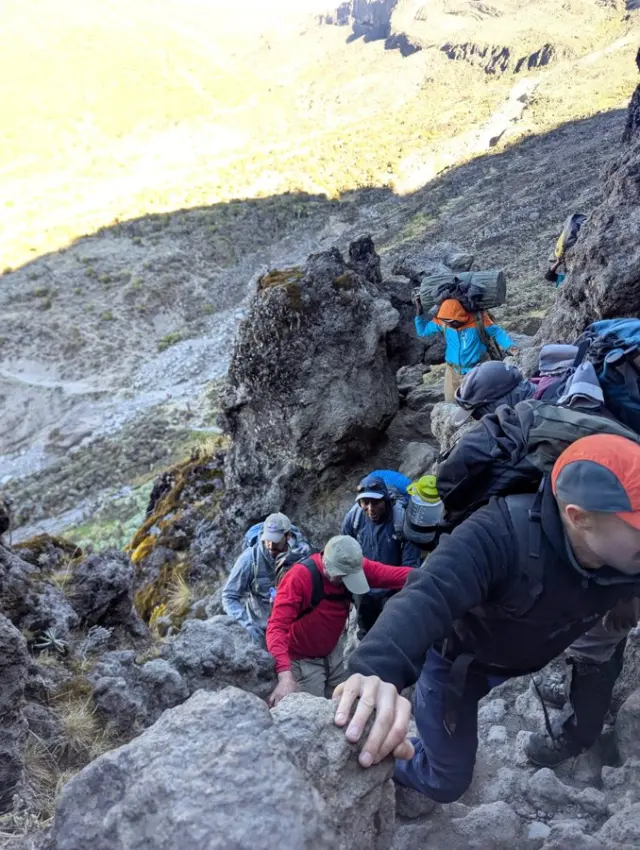
The last leg runs from Mweka Camp at roughly 3,100 metres down to Mweka Gate at 1,640 metres — under six miles of trail, almost entirely downhill. That sounds easy after a summit push, but the lower sections turn steep and muddy, and a few hikers found their feet sliding out from under them. The upside of dropping nearly a mile and a half in elevation: air that finally feels rich in oxygen after a week of thin atmosphere.
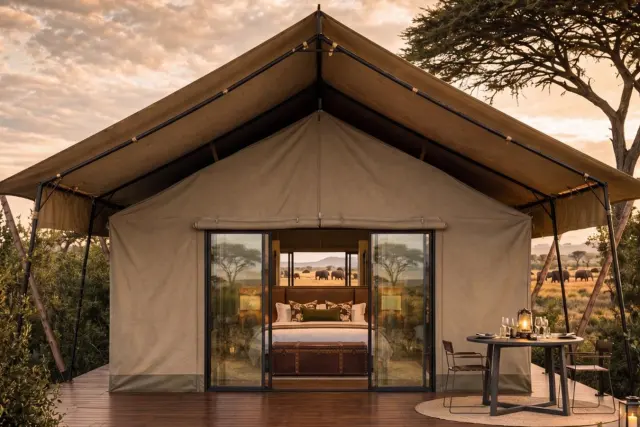
At the gate, climbers collect the payoff — certificates and medals for reaching the top — plus a final group photo and a lunch in a nearby village. The spot caters heavily to tour groups and has a large souvenir shop that takes cards and electronic payments, though the writer noted a curious gap: no patches or stickers, only magnets. Some teammates tacked on a five-day safari afterwards, a common add-on for anyone already in northern Tanzania.
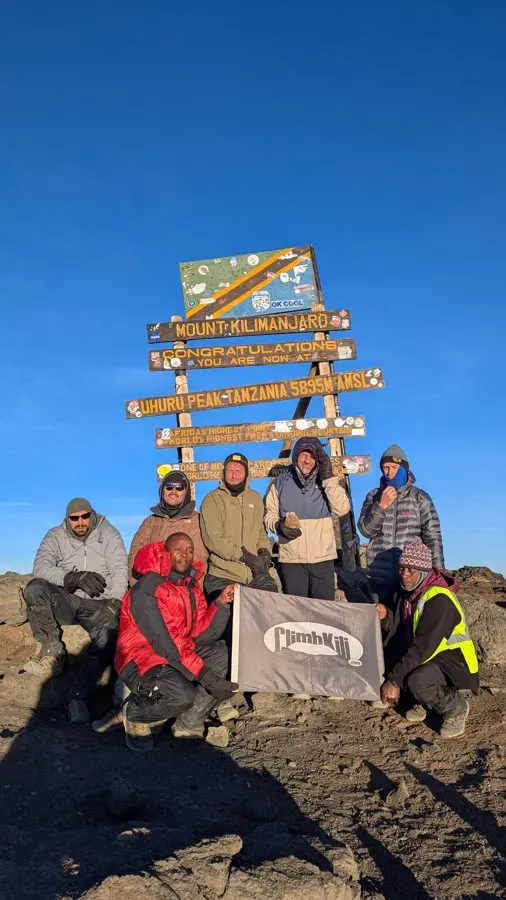
The most practical intel in the report concerns tipping. Tipping guides and porters is standard practice across all trekking companies, and amounts are typically discussed as a range that groups pool and distribute individually. This crew went with Climb Kili, which handed out a sheet listing every crew member's name and role so hikers could decide how to split their share. Cash isn't carried up the mountain — payment happens back at the lodge — but the totals are announced at the final morning song and dance, a transparency step required by the Kili Porters Assistance Program, the body that watches out for mountain crews' welfare.
One guide offered a stat worth absorbing before you book: crews assist roughly 5-10% of hikers, and the ones who struggle most tend to be on shorter itineraries that leave less time to acclimatise. Translation: the seven-to-eight-day routes aren't padding for the itinerary — they're your best insurance against turning around early.
For anyone weighing up a Kilimanjaro trip, the takeaway is simple. Pick a route long enough to acclimatise properly, budget for a meaningful tip on top of the trek fee, expect a slippery, knee-testing final day rather than a gentle stroll, and consider pairing the climb with a safari while you're in the region. The descent might be the least glamorous day of the trip, but it's when you actually get to appreciate what you just did — and thank the two dozen or so people who carried you there.