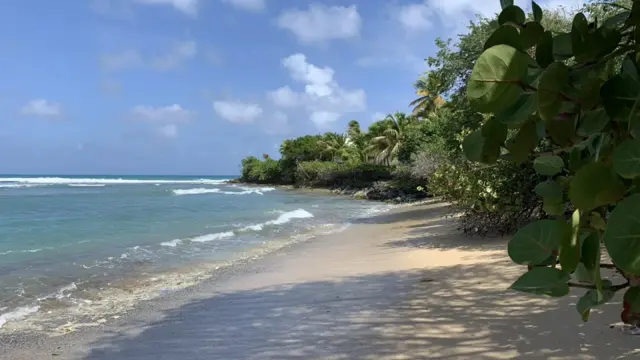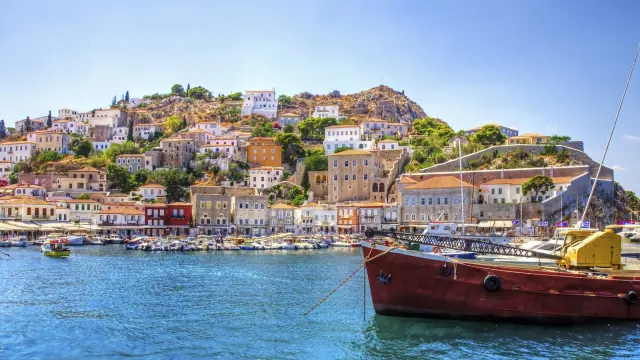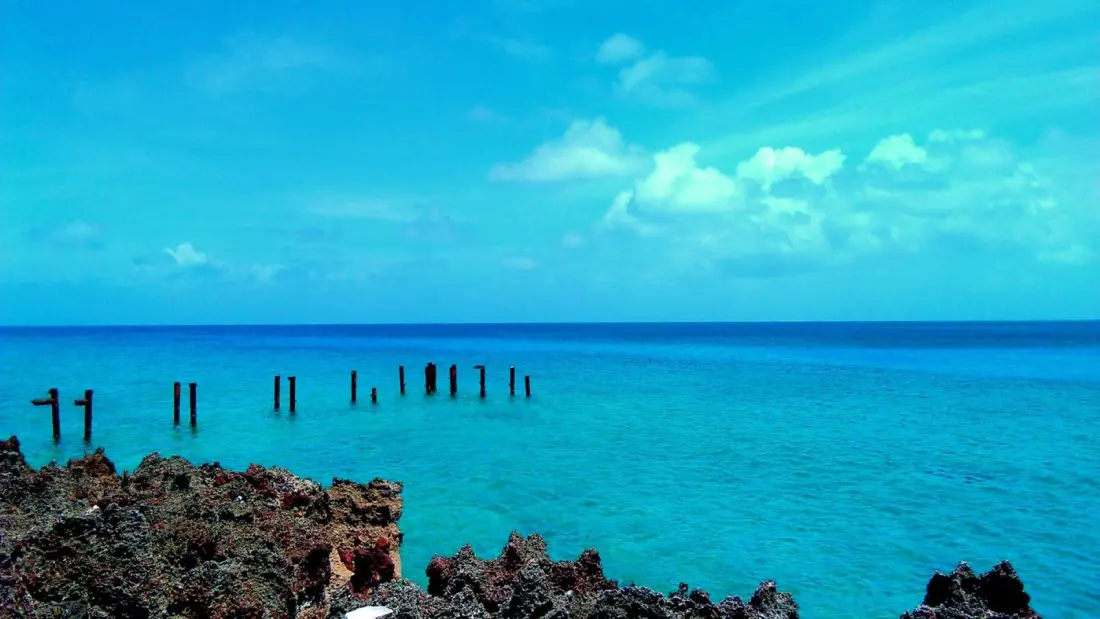
San Andres has long been a staple of Colombian Caribbean holidays — a small island ringed by seven shades of blue — but visiting it in 2026 takes a bit of admin. Anyone who doesn't live in the archipelago now pays COP 153,000 per person for entry, split between the tourist card itself (COP 116,000) and a contribution to public tourism infrastructure (COP 37,000), under Decree 0010 issued on 8 January. The fee applies to Colombians and foreigners alike, and you must pay before boarding your flight, either when booking or at the airport depending on the airline. Children under seven, people born on San Andres or Providencia, and accredited residents are exempt.
Getting there is straightforward: Gustavo Rojas Pinilla International Airport sits close to the main town, with direct flights from Bogota (roughly two hours ten minutes), Medellin and Cali, plus connections from elsewhere. Keep a receipt of your tourist card payment for the whole trip, and carry some cash in pesos — plenty of small restaurants, beach vendors and tour operators still prefer it.
Once on the island, the classics still earn their keep. Spratt Bight is the main town beach, steps from restaurants and hotels, though it crowds up in high season. Boat trips to Johnny Cay run around COP 60,000–90,000 per person, while combos taking in Johnny Cay and the Natural Aquarium start near COP 85,000, with full excursion packages ranging up to COP 180,000. Always ask what's included — cay entrance fees and boarding taxes are often billed separately, and departures get cancelled when the sea is rough.
For snorkelling, the west coast spots West View and La Piscinita charge around COP 10,000–15,000 entry. Driving the ring road is the best way to reach the quieter side of the island: stops like La Loma, San Luis, Rocky Cay and the blowhole at Hoyo Soplador reveal communities most beach-only itineraries skip. Organised tours start at about COP 70,000; renting a golf cart or vehicle runs roughly COP 120,000–290,000 a day, usually excluding fuel and entry fees. Land-based options include Old Point Regional Mangrove Park, the Botanical Garden, the Island House Museum, the First Baptist Church and Morgan's Cave, tied to the island's pirate legends.
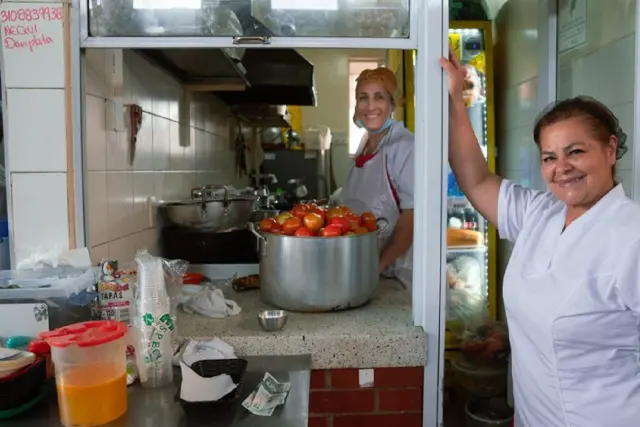
What genuinely sets San Andres apart is Raizal culture. The island's Afro-Caribbean community speaks Creole (Kriol) alongside Spanish and English — all three officially recognised — and its soundtrack of reggae, calypso and soca reflects centuries of maritime exchange. The food tells the same story: rondon, a coconut-milk stew with fish or seafood, cassava, yam, plantain and dumplings, is the signature dish, alongside crab soup, fried fish with patacones, fish balls and coconut bread.
The practical upshot: budget for the tourist card on top of flights, confirm exactly what any tour price covers, and treat the island as a living community rather than just a resort strip. Choosing local businesses, asking before photographing people and respecting mangrove trails are small things that keep the place worth visiting.