Airlines pride themselves on crisis management. A strike, a volcanic ash cloud, a war zone closure — they've handled all of it. What's testing them now is the stacking problem: several serious disruptions unfolding at the same time, each one driving up the cost and complexity of dealing with the others.
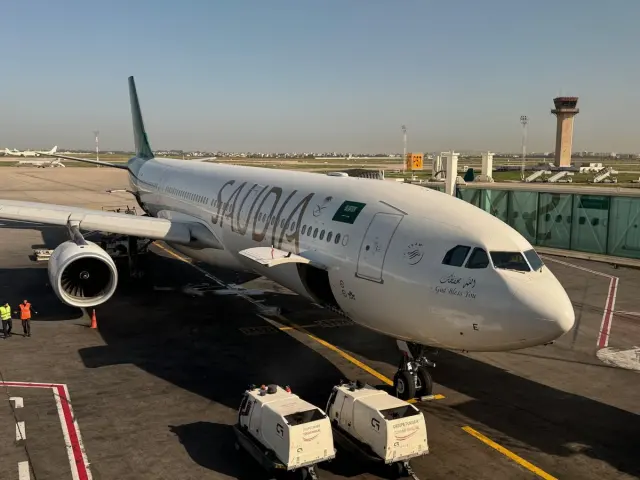
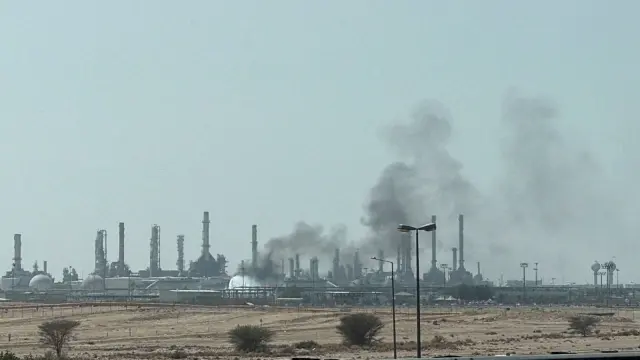
The newest flashpoint is Saudi Arabia. A string of deadly attacks on airports in the kingdom, paired with explicit threats against civil aviation, has unsettled a route corridor that much of the world quietly depends on. The US Federal Aviation Administration has issued a warning telling carriers to be careful when flying to or over Saudi Arabia, pointing to military activity and interference with navigation systems. In the FAA's words, the risks apply at every stage of flight — overflight, arrival and departure alike.
Why does one country's airspace matter so much? Because the map has already been redrawn elsewhere. Many Western airlines stopped using Iranian and Iraqi airspace some time ago, so the corridors over Saudi Arabia became the practical detour for flights linking Europe with Asia and beyond. If that fallback also becomes unreliable, carriers have few good options left. Expect longer routings, extra fuel stops on some routes, higher fares and more schedule disruption — the costs don't sit with the airlines, they land on travellers.
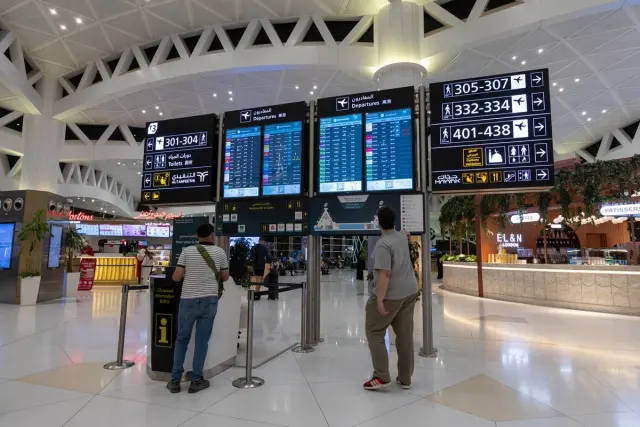
This is also the story behind the story of several recent network problems. When multiple regions of airspace close or degrade at once, the domino effect ripples across connections in Dubai, Doha, Istanbul, Delhi and Singapore. A missed evening departure in Riyadh or Jeddah can knock a passenger off an onward long-haul flight the next morning, and rebooking capacity gets thin fast when everyone else in the cabin is in the same boat.
For holidaymakers, the practical takeaways are straightforward. If you're flying between Europe and Asia or the Gulf in the coming months, build real buffer time into connections rather than trusting a 60-minute transfer. Check whether your ticket or travel insurance covers delay and disruption costs before you fly, and keep an eye on official advisories — FAA and EASA warnings are usually echoed by national authorities within days. And if your itinerary touches the Gulf, having a plan B (a refundable hotel, flexibility on dates) is worth more right now than any loyalty-tier perks.
The bigger question hanging over the industry is whether airline operational models, built around handling one crisis at a time, can absorb several simultaneous shocks without passengers feeling it in their wallets and itineraries. So far, the answer looks like: partially, and at a price.