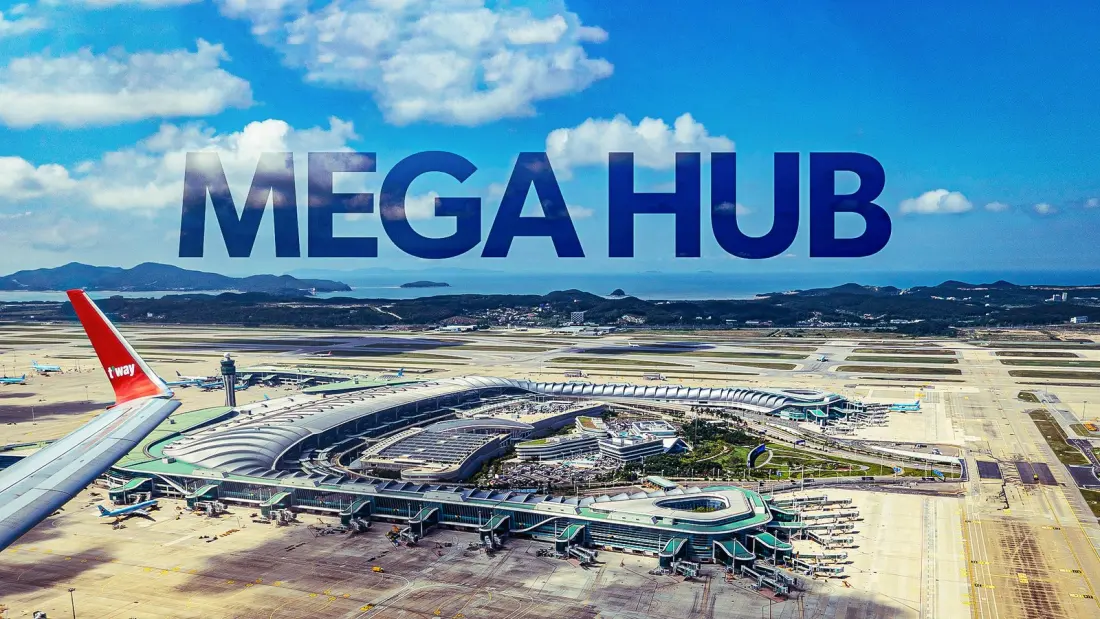
For the first time since it opened in 2001, Seoul Incheon International Airport has taken the crown as the world's busiest international airport, and the story behind it says a lot about how travellers are rerouting their long-haul trips right now.
Dubai International had held the top spot for roughly 12 straight years, handling more than 95 million passengers in 2025. But the Iran conflict that flared in late February hammered its traffic: international passenger numbers dropped from 7.4 million in February to 2.5 million in March, and the second quarter saw a 42% year-on-year fall. DXB ended the first half of 2026 with 31.5 million passengers, down 31.3%.
Incheon, meanwhile, handled 38.4 million international passengers in the same period, putting it ahead of London Heathrow and Singapore Changi. The airport credits a surge in transfer traffic — up 18% year over year overall, and up 63% on European routes — as flyers who once connected through Gulf hubs shifted to Asian gateways. According to data cited via The New York Times, Middle Eastern transfer traffic between Asia and Western Europe nearly halved in April, falling 47%. That's a big deal for carriers like Emirates, which alone had carried over 13% of Europe–Asia passengers and more than 31% on Europe–Australasia routes.
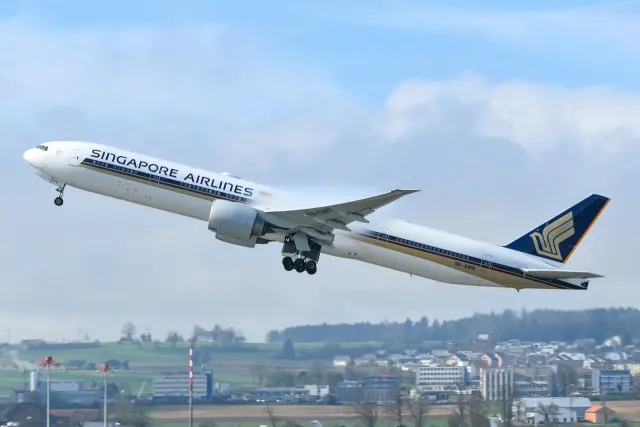
Incheon's rise isn't purely geopolitical. South Korea is enjoying a tourism boom fuelled by K-pop, film and beauty, with strong seat growth on routes to both Japan (5.74 million seats, up 10%) and China (4.06 million, up nearly 12%). Neighbours are cashing in too: Hong Kong International grew international traffic by more than 11%, Taiwan Taoyuan by nearly 10%, and Changi added over 800 extra flights on long-haul routes between March and July.
Dubai isn't conceding. Traffic had recovered to about 86% of capacity by late August, more international carriers are expected back from October, and CEO Paul Griffiths told The National he has no intention of losing the crown: DXB expects around 70 million passengers in 2026, and it still led the September capacity ranking with 4.34 million seats, ahead of Heathrow and Incheon. The airport has, however, pushed back its 100-million-passenger target by a year to 2027.
Why should travellers care? If you're flying Europe to Asia or Australasia, Gulf hubs may no longer be the default connect — Incheon, Hong Kong, Taipei and Singapore are absorbing that demand, sometimes with smoother schedules than before. And if Seoul's on your list, its upgraded Terminal 2 (completed November 2024) now supports 106 million annual passengers, serving 183 cities in 53 countries.