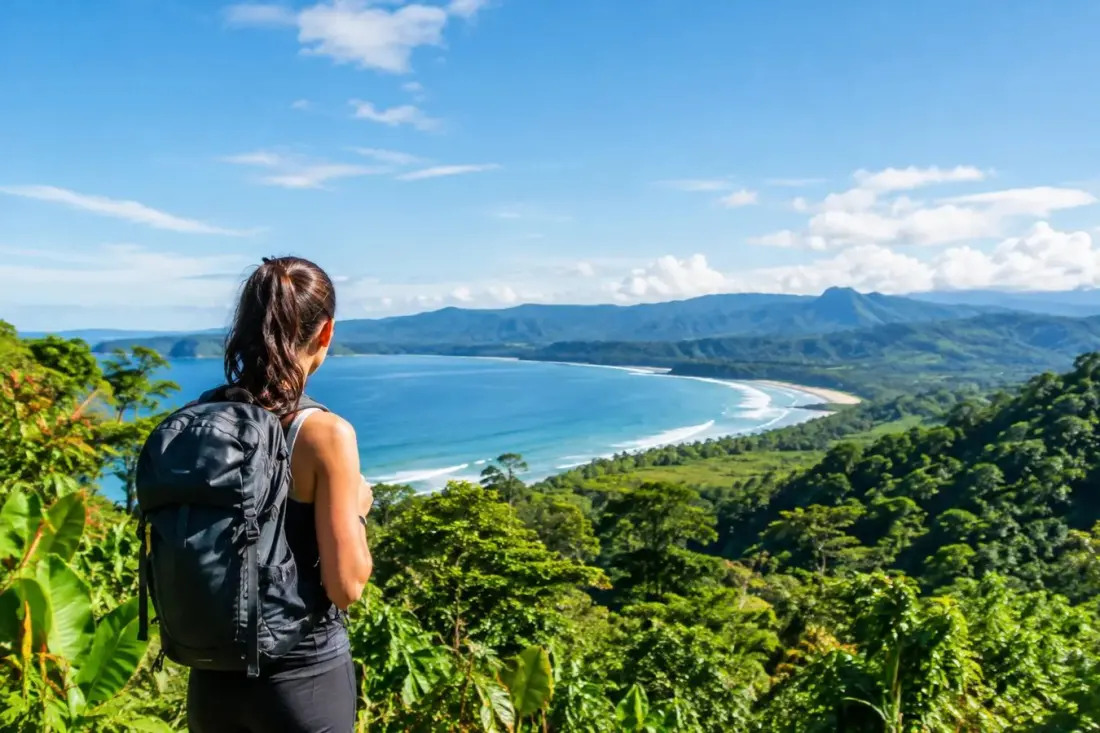
Costa Rica protects around a quarter of its national territory, which means the hard part of a trip here is rarely finding wilderness — it is choosing which patch of it to visit. A recent Howler Costa Rica feature runs through seven parks that suit very different styles of travel, from easy family outings to full-on jungle expeditions.
For first-timers, Manuel Antonio is the obvious starting point. Rainforest spills down to Pacific coves, capuchin monkeys and sloths are easy to spot on short trails, and the park sits close to Quepos. It gets busy in high season and entry numbers are capped, so arrive early and keep snacks sealed — feeding wildlife is a real problem here.
If you want the deep end, head to Corcovado on the Osa Peninsula. This is Costa Rica at its most raw: jaguars, tapirs, peccaries and scarlet macaws share one of the most biologically intense corners of Central America. Getting there takes planning, guided access is usually required or strongly advised, and the heat is no joke — but that effort is exactly why it delivers.
Arenal Volcano National Park balances adventure with comfort. Trails cross old lava fields beneath the famous cone, while nearby La Fortuna supplies hot springs, hanging bridges and rafting. The summit is often cloud-covered, so go for the landscape, not the postcard.
Tortuguero, on the Caribbean side, has no roads at all — you arrive by boat or small plane and explore by canal, with caimans, kingfishers and monkeys along the banks. It is famous for sea turtle nesting, though the waterways reward visitors year-round.
In Guanacaste, Rincón de la Vieja trades jungle for bubbling mud pots, fumaroles and dry-forest waterfalls, and it is an easy day trip from Liberia or the Papagayo beaches. Check trail conditions before you go, as volcanic activity and weather can close sections.
On the southern Caribbean coast, Cahuita pairs a coastal forest trail teeming with sloths and iguanas with a coral reef offshore and a town with a distinctly Caribbean soul. Snorkelling depends on conditions, so keep plans flexible.
Finally, Tenorio Volcano National Park hides the Río Celeste, a river that runs an almost implausible blue thanks to a natural mineral reaction where two streams meet. The trail involves stairs, roots and mud, and the colour shifts with rainfall — but it pairs neatly with an Arenal itinerary.
Two things apply everywhere. First, book entry and check official channels before travelling, since hours, reservations and closures change, especially in the rains. Second, hire a naturalist guide: in Corcovado, Tortuguero or Manuel Antonio, a trained eye turns a quiet walk into frogs, camouflaged insects and birds you would otherwise walk straight past. Pack a refillable bottle, sturdy shoes, sun protection and repellent, stay on marked trails, and keep your distance from the animals. The parks are protected places first, attractions second — and travelling that way is part of what keeps them worth the trip.