Sichuan Province is pushing a new cultural identity onto the world stage, and it picked an appealing way to do it: flying in young travellers from several countries and letting them get their hands dirty. The 'Splendid Tianfu, Leisurely Sichuan' campaign took international students to ancient towns, a village tied to famous poets, a bronze-age dig site and a panda reserve in the mountains — and filmed the whole thing for social platforms.
The itinerary reads like a solid week's trip for anyone drawn to history and wildlife rather than big-city nightlife. In Langzhong, one of China's best-preserved ancient towns, the group wandered historic streets steeped in Three Kingdoms lore and tried traditional crafts still practised locally. In Zhongyan Village in Qingshen County, they explored sites linked to Three-Su Culture — the literary legacy of the Su family of Song-dynasty poets — ate local food and chatted with residents about how these traditions pass down through generations.
The standout stop for many was Guanghan, home of the Sanxingdui Museum. The mysterious ancient Shu civilisation produced artefacts unlike anything else in China: oversized bronze masks and the famous Bronze Sacred Tree, which visitors saw up close. At the nearby Sanxing Village Archaeological Exploration Base, participants tried bronze casting and simulated digs. Two Russian students, Anna and Ye Zimu, said the artefacts were unlike anything they had seen before and planned to take their own cast-bronze pieces home as gifts.
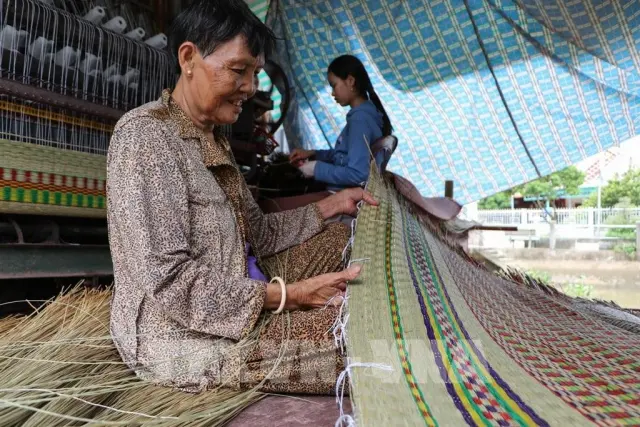
Then it was out of the museums entirely. In Dayi County, the group visited the Dasuanping Protection Station inside Giant Panda National Park. At 2,140 metres above sea level, they watched infrared camera footage of wild pandas moving through the forest — a far less staged encounter than the usual panda-centre visit. They also spent time in Taiping Community in Xieyuan, learning traditional bamboo weaving and watching daily rural life unfold, a glimpse of how conservation and village economies coexist here.
Why should a traveller care? Because the route the students followed is entirely replicable. Langzhong, Sanxingdui and Dayi are all reachable from Chengdu and can be combined into a culture-and-nature loop that skips the typical tourist circuit. The hands-on angle is real too: Sanxingdui's exploration base lets visitors try archaeology-themed activities rather than just look at glass cases, and community-based stops like bamboo-weaving workshops put money into rural areas. Sichuan is also packaging all of this under one provincial brand, so expect more English-friendly content, videos and promoted routes around these exact experiences in the coming years. If pandas plus bronze-age history plus unhurried teahouse towns sounds like your kind of China, this is a ready-made outline.