Good news for anyone planning a road trip through Kyrgyzstan's mountains: the government says there's enough petrol and diesel in the country to keep things running until the end of the year.
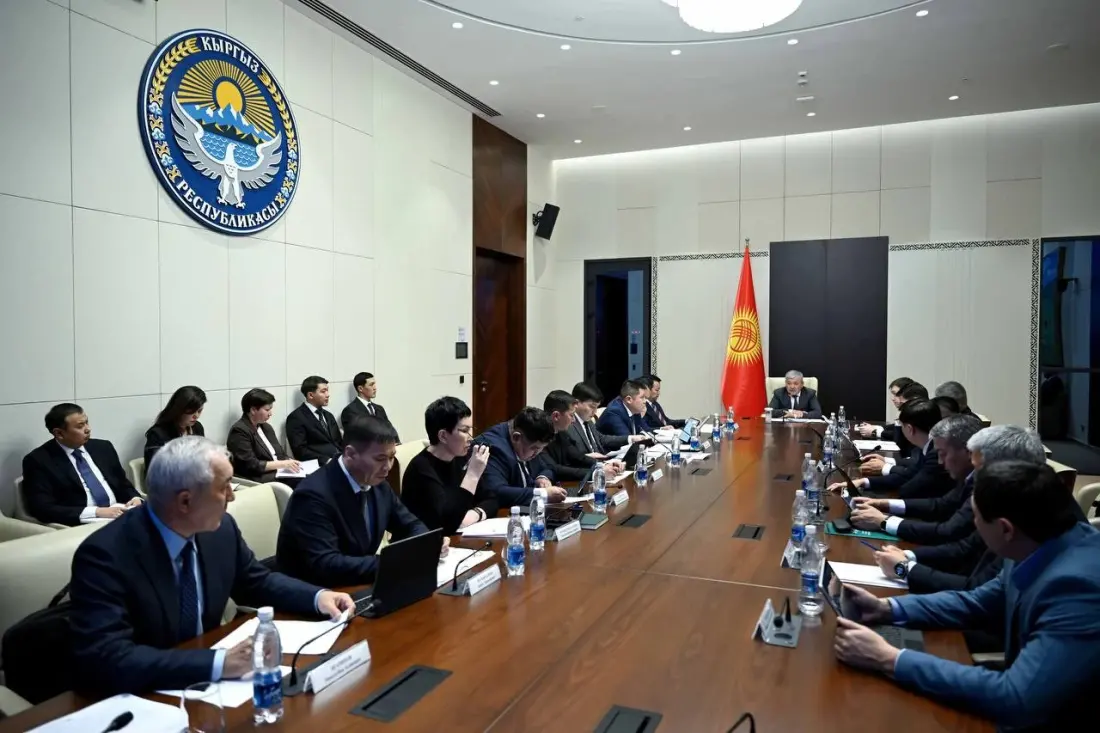
At a recent meeting chaired by Cabinet of Ministers chairman Adylbek Kasymaliev, officials reviewed the state of fuel and lubricant supplies across the domestic market. Their verdict: stockpiles held by oil traders, fuel stored at the facilities of Zhongda LLC and Kyrgyzneftegaz OJSC, plus shipments currently in transit, add up to enough volume to meet national demand through December.
The meeting wasn't just a stock-take. Kasymaliev handed down a list of follow-up instructions, including keeping the subsidy that covers the gap between import costs and pump prices, reviewing state support mechanisms for the sector, guaranteeing uninterrupted petrol deliveries, and looking at modernising the country's oil refineries alongside export and import operations.
For context on the scale involved: Kyrgyzstan's annual appetite for petroleum products — petrol, diesel and liquefied gas combined — sits somewhere between 1.4 and 1.85 million tonnes. The country imports most of its fuel, which is why supply meetings like this one happen regularly and why the government treats fuel security as a matter of economic security.
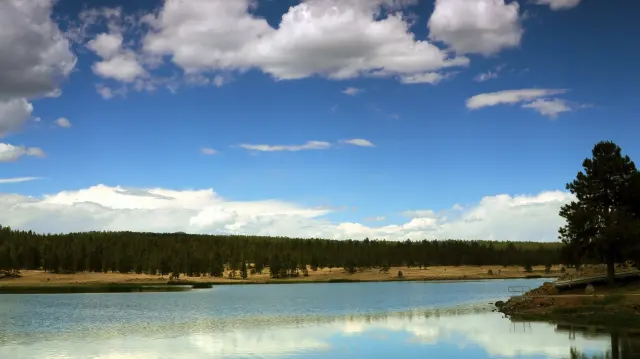
Why does this matter to travellers? Kyrgyzstan is one of Central Asia's great road-trip countries, and public transport only gets you so far. Reaching Song-Kul lake, cruising the KS-3 along Toktogul reservoir, or looping the (notoriously rough) Pamir-adjacent roads in the south all mean either renting a 4x4, hiring a driver, or hopping on marshrutkas that run on the same diesel supply. Fuel shortages would push up prices for shared taxis and car hire and could disrupt services to remote villages. A government confident about year-end supplies is a quiet green light for autumn and early winter trips.
If you're driving yourself, the practical takeaway is unchanged: stations in Bishkek, Osh and along main highways are generally reliable, but remote routes around Naryn, Song-Kul and the far southwest can have long gaps between filling stations. Fill up when you can, carry cash — card payment isn't universal outside cities — and don't assume that a station appearing on your map app is actually operating.