Nothing derails a morning faster than a bad flat white in a city that's supposed to do coffee well. It happens everywhere: in tea-first countries where coffee is an afterthought, and even in famous coffee capitals, where pretty interiors near the main square can hide watered-down, overpriced drinks aimed squarely at tourists.
A recent guide from TravelAwaits lays out a checklist for sniffing out the good stuff, and it starts with knowing how the world actually drinks coffee. In much of Asia and the Middle East — China, India, Sri Lanka, Turkey, the UAE — tea or chai is the default, and coffee only really shows up where international travellers do. Even in Brazil and Italy, coffee powerhouses, locals drink small, strong servings rather than the big diluted mugs familiar to American palates. Ordering habits shift too: a macchiato might arrive as a milky latte-style drink in one country and as an espresso with a single dollop of milk in another, so double-check before you commit.
Once you understand that context, the checklist itself is refreshingly simple. First, go independent. Unknown names and hand-designed logos are a good sign, because small cafés build direct relationships with roasters and choose their own blends. Second, check whether the shop tells you where its beans come from, who roasts them and when — the café equivalent of a restaurant listing its local suppliers. Third, look for drinks that only come in one size. A cortado or cappuccino with a fixed ratio of milk to coffee shouldn't exist in three volumes; shops that refuse to supersize are usually the ones following traditional standards.
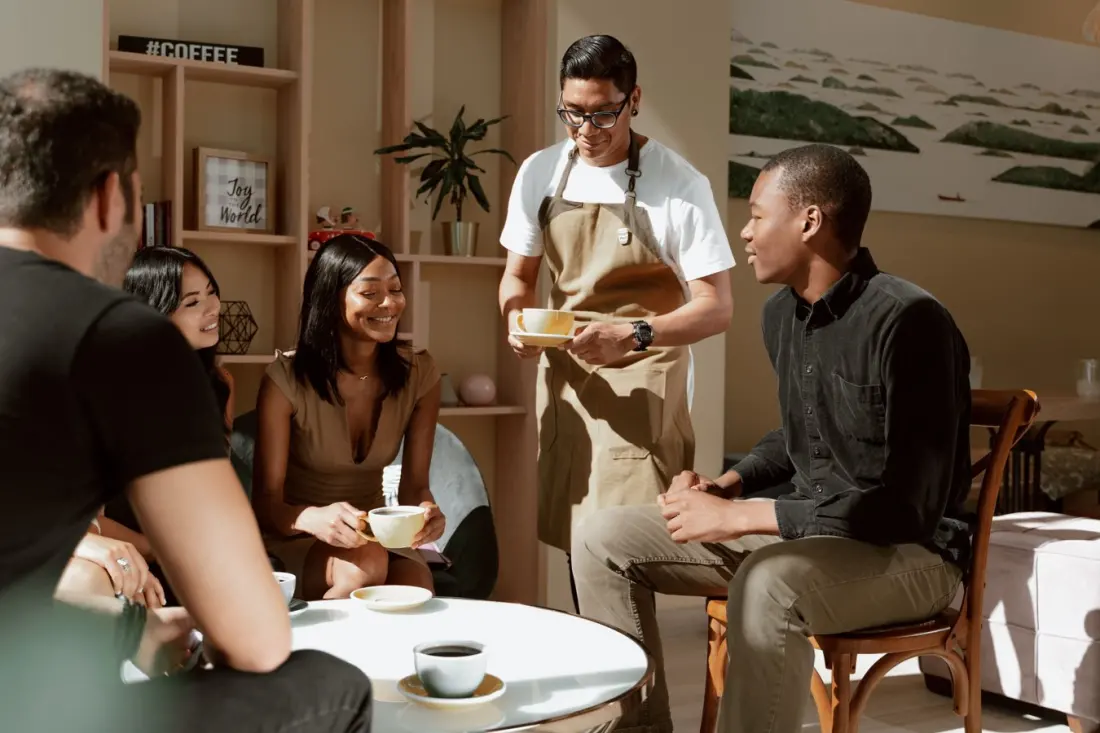
The human signals matter as well. Baristas treating the job as a craft — greeting regulars by name, working with focus — are a stronger indicator than any decor, and it's a real profession: the World Coffee Championships are held annually, and the best baristas are compared to sommeliers. Shiny, specialised equipment behind the counter is another quiet tell that the operation takes itself seriously.
And then there's the strangest tip, which is also the most fun: follow the cyclists. Serious riders in cycling-mad countries like Spain and Italy cluster in cafés that serve proper espresso — some pros drink up to six shots a day for the performance boost. If a shop is full of lycra and lean bikes parked outside, the coffee is almost certainly excellent.
Why does this matter? Because hunting good coffee is one of the cheapest, most local ways to anchor a trip. These tips work in any city, cost nothing, and tend to lead you into neighbourhoods tourists skip. Coffee obsessives will get the most from them, but anyone who just wants one reliable decent morning cup in an unfamiliar place will find the checklist useful.