Angola rarely makes the shortlist for a first trip to Africa, and that's precisely its appeal. The civil war that followed independence from Portugal in 1975 ended in 2002, and the country has been rebuilding ever since. Tourist infrastructure outside the capital is thin, roads take patience and plans need flexing. In exchange, you get one of the continent's least-visited corners: Atlantic beaches, savannah, rainforest and desert, with famously warm locals.
Start in Luanda, a sprawling megacity of tower blocks, oil money and a daily theatre of street life. It's one of Africa's most populous cities and among the five largest Portuguese-speaking cities on earth — the others are all in Brazil. Get stuck in traffic (inevitable) and watch the zungueiras, women street vendors balancing fruit on their heads with babies strapped on their backs, weaving between the blue-and-white candongueiro shared taxis. For views, head uphill to the leafy Miramar suburb, where Avenida Presidente Houari Boumedienne looks over a bay often crowded with more than 40 ships waiting for a berth at the congested port. There's even a ruined open-air cinema up here, a ghost of 1970s glamour.
Two essentials in town: the Fortaleza de São Miguel in the Cidade Alta, freshly reopened as the Armed Forces Museum with the best panorama over the bay — go late afternoon for sunset, but leave the camera in the bag near the government buildings — and the colonial-era churches, whitewashed with blue trim. Visit Our Lady of Nazareth or Our Lady of Remedies on a Sunday to catch the choirs in full voice; entry is free.
After dark, everyone heads to the Ilha, the 8km-long peninsula enclosing Luanda Bay. Upmarket restaurants and clubs line one side, but the real draw for most Luandans is simpler: the ocean-side beaches (the bay itself is polluted), beach football and volleyball, and food stalls grilling fish and meat over coals. Prices on the strip can be steep, but the beach itself costs nothing.
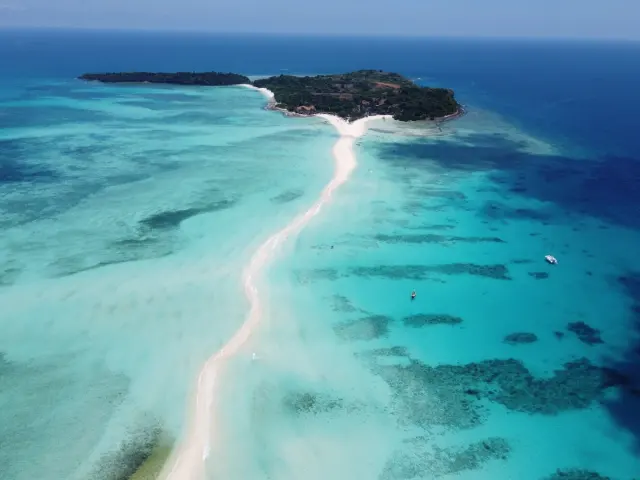
Next, trade the city for Mussulo, a 35km sand spit ending about 9km south of the capital, formed by sediment drifting down from the Kwanza River. There's no public transport, so arrange a car and a boat from the Capossoca maritime terminal — expect 1,000–3,000 Kwanza for the short crossing, and check the vessel and life jackets if you take an informal boat. Walk across to the wild Atlantic side, known as the Contra Costa: no cars, a few fishermen's palm shelters, and empty white sand with the ocean rolling in straight from Brazil.
Finish at Quiçama National Park, Angola's most accessible reserve and a possible day trip from Luanda, though an overnight at Quiçama Lodge's bungalows is far better. You won't match Kenya's herds, but there are elephant, giraffe, zebra, buffalo, hippo and — out on the Kawa River — the endangered African manatee. Come between May and October: rains turn the tracks impassable, and even in the dry season you'll want a 4x4 for the final 40km.
Have longer? Ten days buys the Pungo Andongo rock formations or Kalandula Falls; two weeks adds the coastal towns of Sumbe and Porto Amboim or birding on the Gabela Escarpment.