
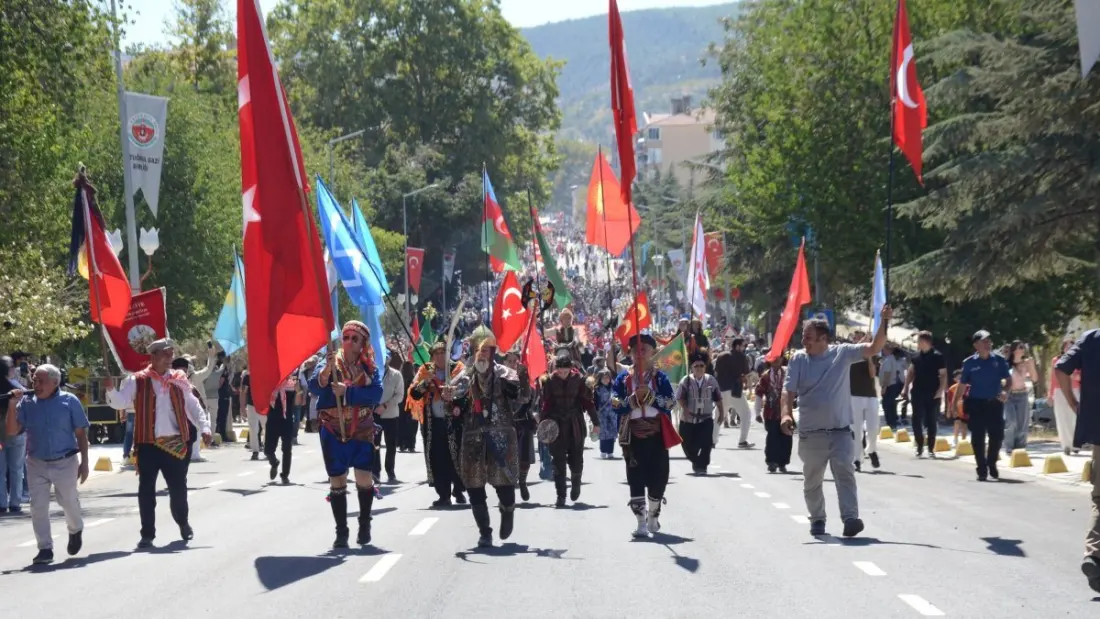
Every year, a small town in Türkiye's Bilecik province throws a party with an unusually long pedigree. Söğüt, the settlement where Ertuğrul Gazi settled in the 13th century and where his son Osman I would go on to found the Ottoman Empire, has just wrapped the 745th Remembrance of Ertuğrul and Yörük Festival — a three-day event that draws thousands of visitors each September.
This year's closing ceremony drew Justice Minister Akın Gürlek and other dignitaries, with Yörük tribal representatives — descendants of the nomadic Oghuz clans to which Ertuğrul himself belonged — staging parades through town in traditional dress. Visitors also made the customary stop at Ertuğrul's tomb, the emotional centre of the whole affair.
The festival's origins are delightfully murky. What's generally accepted is that it traces back to a banquet — a "toy", in the old Turkic sense of a great feast — hosted by Ertuğrul after a campaign in the nearby Domaniç highlands more than seven centuries ago. After his death, the feast became an annual tradition and gradually took its modern shape: three days that open solemnly with prayers for Ertuğrul and the Ottoman ancestors, then move into celebration, procession and community gathering.
The speeches at this edition leaned heavily on symbolism, with the minister invoking Sheikh Edebali — Osman's father-in-law and the empire's first judge — and his famous maxim about keeping people alive so the state may live. There was also a nod to the Ahilik craftsman guilds and the Horasan spiritual saints, threads of Anatolian heritage that the festival deliberately keeps woven together.
Why should a traveller care? Because Söğüt is one of those places where history is a living calendar event rather than a museum label. The town sits in rolling western Anatolian countryside, an easy detour from Bursa or the Istanbul–Ankara corridor, and the festival is a rare chance to see Yörük nomadic culture — its dress, music and tribal affiliations — performed with genuine pride rather than for a generic tourist audience. Even outside festival season, the Ertuğrul Gazi tomb complex and the small Ottoman history museums in town make for a worthwhile half-day, and the surrounding Bilecik province is quiet, green and largely undiscovered by international visitors.
If you want the full spectacle, aim for the second weekend of September, book accommodation early (Söğüt is small and fills up fast), and be prepared for a patriotic, ceremonial atmosphere — this is an event with deep national meaning for Turkish attendees, and visitors are welcomed as observers of something sincere, not staged. Pair it with Bursa's early Ottoman sites, including the tombs of Osman and Orhan, to trace the dynasty's story from its very beginnings.