Walking into a bar full of strangers and announcing yourself to the room? Most people would rather check into their room and order room service. A writer who runs group trips for a living says even confident adults turn into nervous teenagers the moment nobody knows anybody — everyone wants company, no one wants to go first. The good news: connecting on a solo trip doesn't demand a pub crawl or an extrovert's stamina. It mostly comes down to engineering a few low-pressure situations and then letting them do the work.
The first lever is where you sleep. Hostels are the obvious choice for built-in social contact, but they're not the only one — a design hotel with a busy lobby bar or a co-working space can work just as well. The trap is the plush, self-contained room: if your accommodation feels like a luxury cocoon, you'll rarely have a reason to leave it, let alone talk to anyone. Pick a place that nudges you outward.
The second lever is booking something with a shared purpose. A fermentation class in Seoul, a walking tour in Lisbon, a pottery workshop in Kyoto — the appeal isn't the activity, it's that conversation has a ready-made excuse. You and everyone else paid money to pickle cabbage or carve a spoon, so nobody has to invent an opener. Group tours work the same way: a random mix of people with one obvious topic, the place itself, already on the table. And not every exchange needs to become a friendship. A joke on a bus or a swapped restaurant tip counts.
Dining alone is where most solo travellers wobble, and there's a simple fix: sit at the counter. Shoulder-to-shoulder seating puts you naturally within chat distance of other diners, unlike a table for one facing an empty chair. The one habit to drop is the phone. A glowing rectangle signals "leave me alone", while eyes up invites approach.
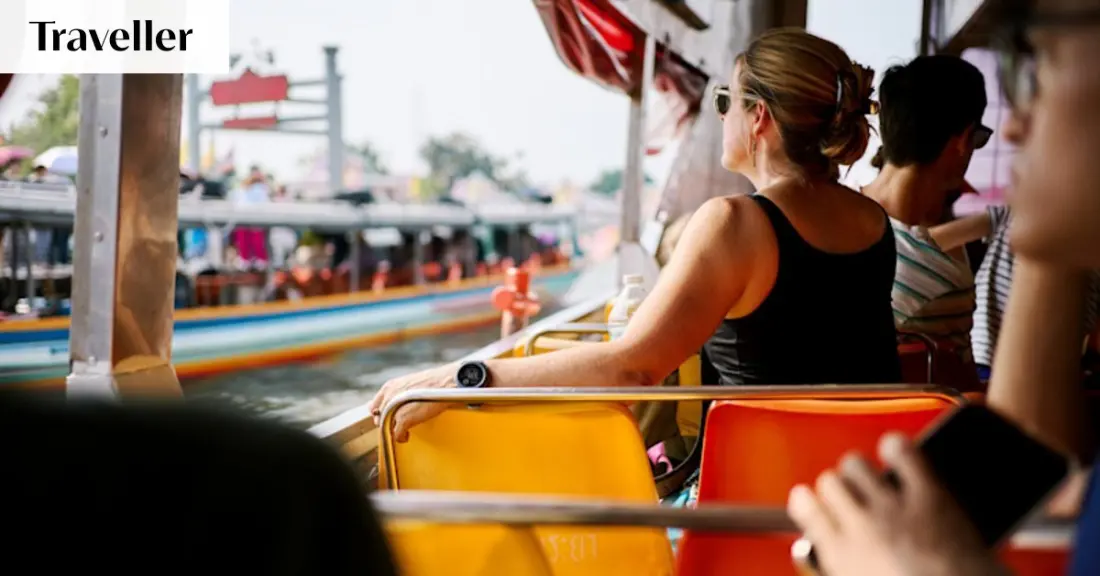
When conversation does start, quality beats interrogation. Asking "what's been the highlight of your trip so far?" gets you a story; "what do you do?" gets you a job title. Practical requests work brilliantly too — asking someone to take your photo, or whether you've boarded the right ferry — because people respond warmly to being helpful, which feels far less forced than a cold introduction. It also helps to remember that nobody is watching you as closely as you fear. They're too busy worrying that they're the weird one.
There's a sensible dose of realism in all this, too: some days the plan won't land, and a good meal with a good book and no obligations is hardly a failed evening. One of the genuine pleasures of travelling alone is finding out your own company is decent value. But for travellers who want a bit of both — independence without isolation — these small structural tweaks beat any amount of forced bravado.
Traveller (Sydney Morning Herald)