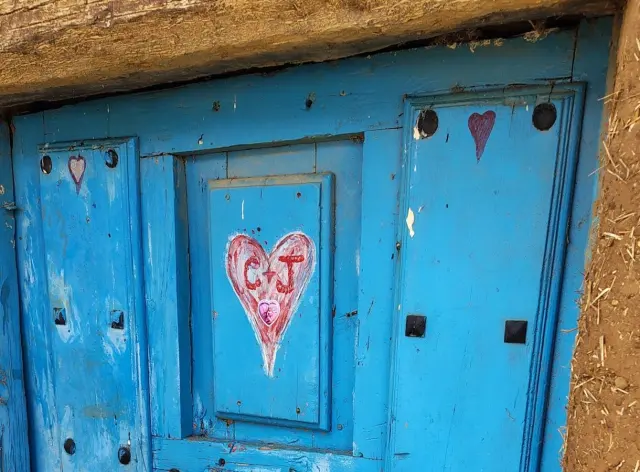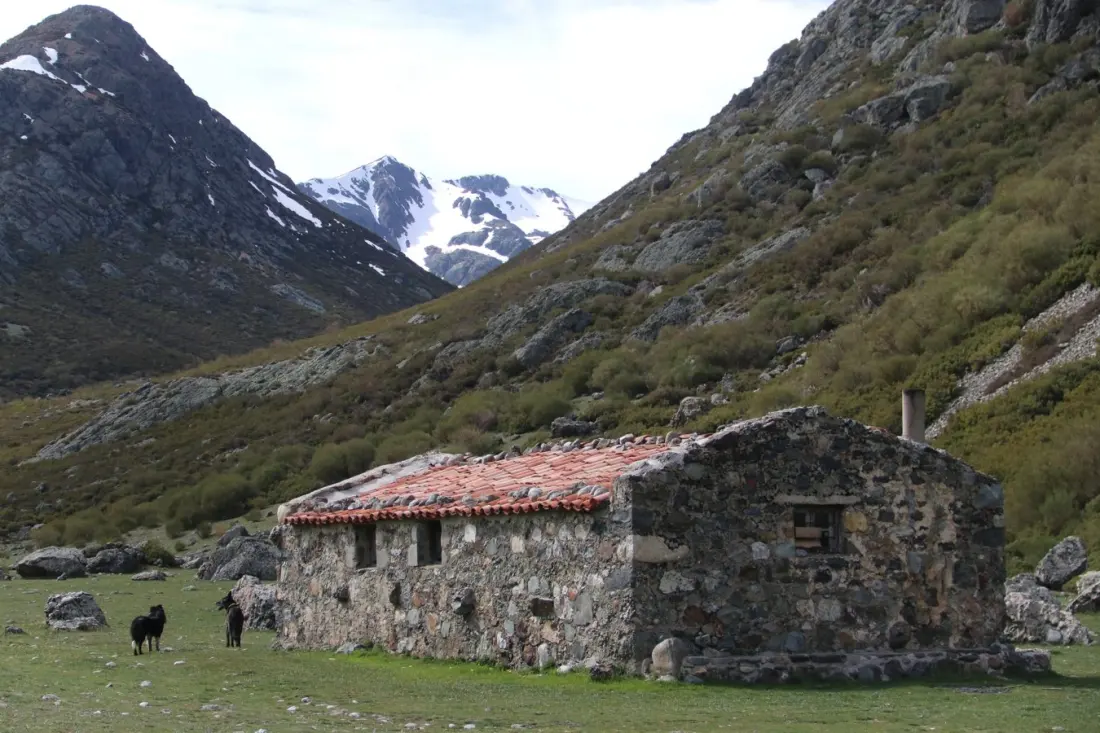
Swallows own the village of Las Casillas de Bezas now. They swoop through broken windows, slip through gaps in collapsed masonry, and nest in rooms where no human has lived for decades. The village sits in Teruel, one of Spain's most sparsely populated provinces, and it is far from alone. By some estimates, the country has more than three thousand abandoned villages — whole settlements reclaimed by brambles, birds and quiet.
That figure is the starting point for Adventure Journal's feature 'The Future Wild', which goes looking for what comes after people leave the countryside. The writer, exploring Las Casillas de Bezas in eastern Spain, describes the strange sensation of walking through a place that is neither ruins nor living town: walls still standing, doorways still shaped like doorways, but every space given over to nature. The question the piece chases is bigger than one village. Rural depopulation is happening across Europe, not just in Spain, and abandoned landscapes are becoming one of the continent's fastest-changing environments.
Spain is arguably the clearest example. Decades of migration from villages to cities — Madrid, Barcelona, Valencia — hollowed out huge inland areas, a phenomenon the Spanish press calls 'la España vaciada', the emptied Spain. Teruel province is a poster child: dramatic sierra scenery, medieval towns, and population densities that rival Finland's. What's left behind is a network of ghost villages like Las Casillas de Bezas, some completely collapsed, others eerily intact.
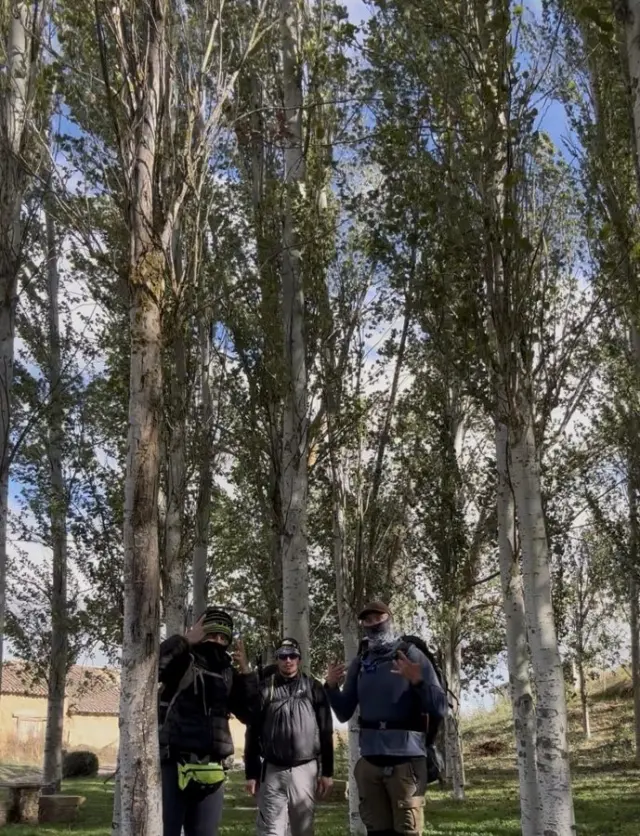
For travellers, these places have become a quiet draw. Hikers, photographers and slow-travel fans are increasingly seeking out depopulated regions precisely because they feel raw and unfiltered — no queues, no souvenir shops, just landscape and stone. Teruel offers that with added bonuses: Mudéjar architecture (UNESCO-listed in Teruel city), dinosaur fossil sites, and some of the darkest skies in Spain. But the story also carries a caution. Abandoned buildings are genuinely unstable, and many 'ghost villages' sit on private land. The romance of exploring them comes with real risk and real questions about respect for places that are, in some cases, still有人's heritage and property.
Why does this matter if you're planning a trip? Because the emptied countryside is reshaping rural Spain in both directions. Depopulation is driving creative reuse — villages auctioned off for a euro, repopulation schemes, rural co-living projects — while also making regions like Teruel, Aragón and interior Castilla feel wilder than they have in centuries. If you want walking country without crowds, this is where it's going. Go with local knowledge, watch your footing, and you'll get a glimpse of a Europe that's quietly disappearing — or, depending how you look at it, quietly returning to nature.
Adventure Journal