Day 22 of a Camino de Santiago pilgrimage brought everything the trail doesn't advertise: freezing wind, closed towns on a Sunday, a sore foot, and an awkward run-in with a hostel manager before the author had even unpacked.
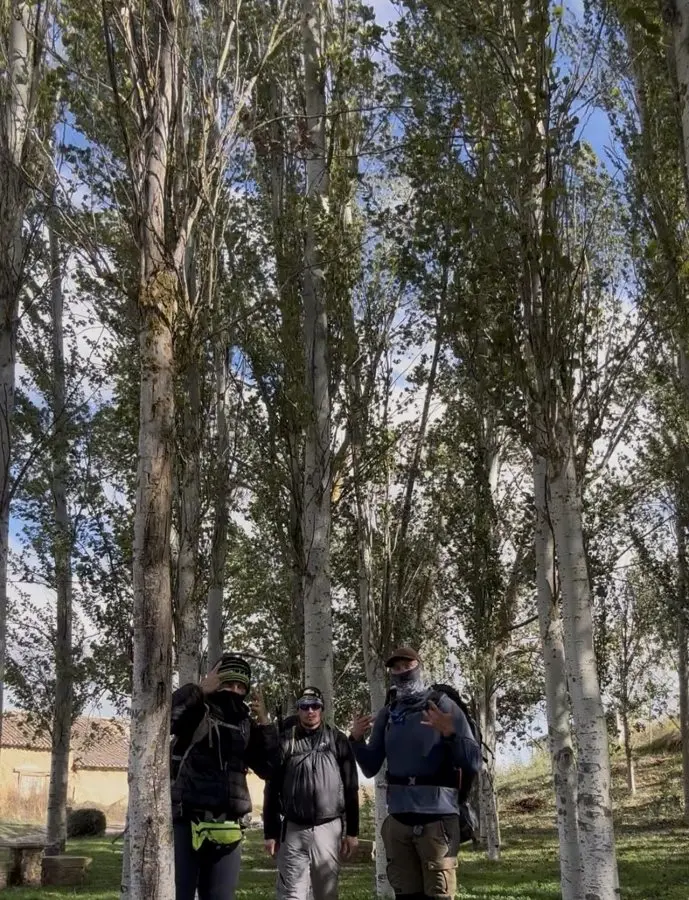
The day started in darkness with a steep climb — one of the toughest since day one — which at least had the upside of warming hikers up against a wind chill around freezing. On the flatter stretch that followed came one of those random Camino moments: a starlit sky with a moving light that wasn't a plane. Then, walking farm tracks with two Italian companions, the writer snacked on an apple straight from the orchards' cousins of her home state of Pennsylvania — a small hit of homesickness mid-Spain.
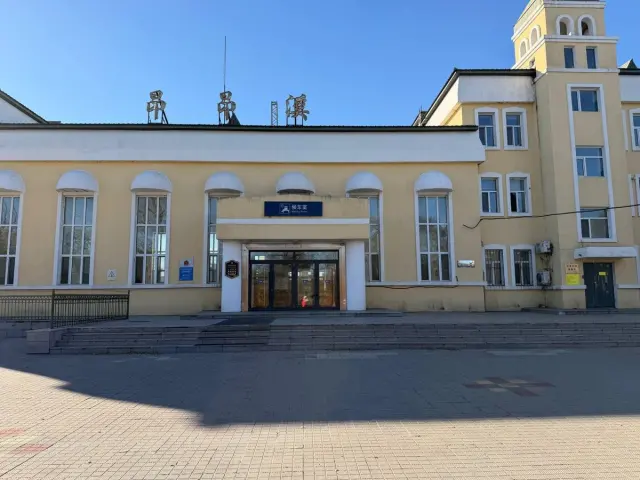
The walking total came to roughly 26 km by noon, finishing in Frómista, a small town on the Camino Francés in Palencia province. Sunday meant almost everything was shuttered, and one albergue stop en route was the only lifeline for food and coffee. Frómista itself required trying three hostels before finding a bed — a reminder that even in shoulder season, booking ahead or arriving early pays off. The eventual stay was at the Estrella del Camino Hostel, which had mixed reviews about its manager.
That manager made himself known. Waiting outside ten minutes before check-in, the group started playing around — cartwheels and handstands against the wall. The owner appeared, whistling and shouting, furious at feet on his wall. Even though the writer apologised with a handwritten note in Spanish, the tension hung over the whole afternoon, and it genuinely rattled her — dredging up childhood memories of being scolded for accidents. It's a small story with a real takeaway: albergues are people's businesses, often run by passionate owners, and reading the room (and the reviews) matters. A little courtesy goes a long way when you're relying on the same handful of hostels every night.
The rest of the day was deliberately low-key: blogging, a nap, and a DIY dinner of pepper and tuna with a fresh loaf from the panadería — a budget move worth copying when small Camino towns have slim restaurant options. A nagging left foot added the usual pilgrimage worry, and there was some unresolved romantic tension with her Italian walking companions, because no Camino diary is complete without that.
Why does this matter to a traveller? Because this is the honest texture of a long-distance walk. Days aren't all golden-hour cathedrals; some are cold, boring, socially awkward and foot-sore. Frómista is a typical stage town on the Camino Francés, and knowing the rhythms — early starts, Sunday closures, limited beds, cheap self-catered dinners — helps you plan for the messy days as much as the good ones. For anyone considering the Camino, this account is a useful dose of realism: pack patience, learn a few Spanish phrases for apologising, and don't do handstands on someone else's wall.