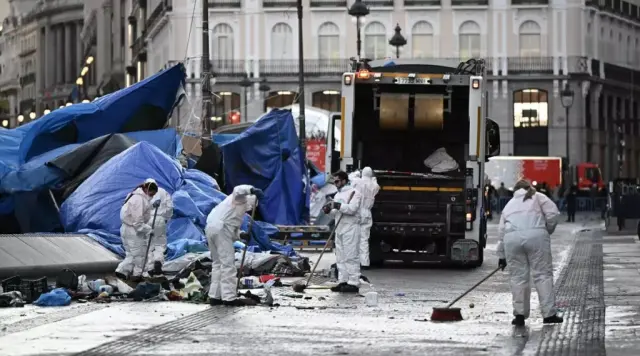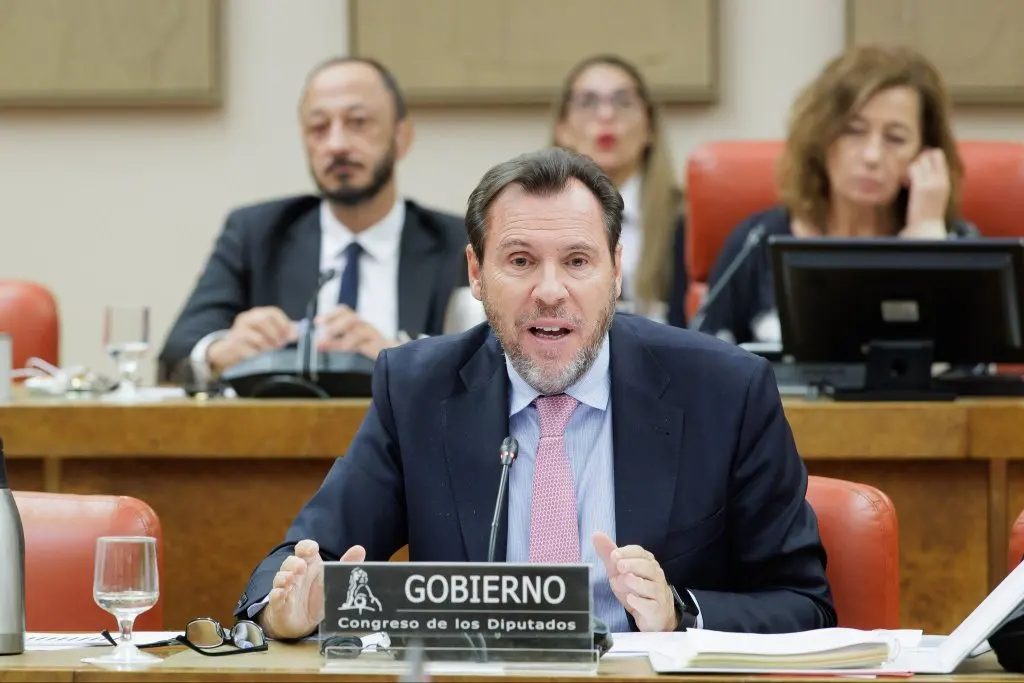
Spain's transport minister Óscar Puente has resigned, six days after a high-speed train collision near Urda, in the province of Toledo, killed 69 people and left dozens injured. He also pulled out of the 29 November general election, where he had been set to top the Socialist list in Valladolid.
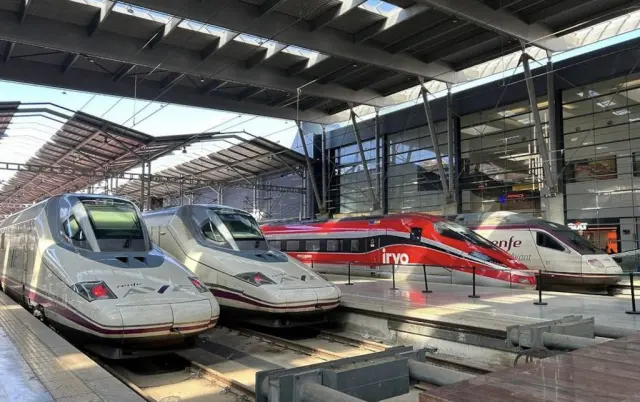
The crash happened on 28 October on the Madrid–Seville line, Spain's first high-speed route, opened back in 1992. An automatic train protection failure had stopped trains across a 63-kilometre stretch, with traffic being run from Madrid's Atocha control centre. A Renfe service was given the go-ahead to resume its journey and slammed into the back of a stationary Iryo train — investigators say at between 160 and 200 km/h. It was the second disaster on the same corridor in under a year: a January crash near Adamuz, in Córdoba province, killed 46.
Puente told a four-hour session of Congress that "a minister cannot remain in office after two accidents of this severity in less than a year", calling it a matter of political dignity. Pressure had come from across the political spectrum — the People's Party and Vox demanded his exit, while even government allies like Sumar, IU, ERC and the PNV argued accountability was needed. Prime Minister Pedro Sánchez praised the decision, though his Socialists enter the snap election trailing in the polls.
For anyone planning rail travel in Spain, there are concrete changes to know about. Services on the Madrid–Seville line are being reduced while the Railway Safety Agency reviews the route. New rules require a second controller to sign off on moving trains whenever the automatic protection system is down, and trains running on drivers' eyesight alone after a failure are capped at 40 km/h. The government is also fast-tracking the delayed rollout of the European Rail Traffic Management System, adding software to flag unusual train movements, trialling an AI tool to monitor controller-driver communications, and revising controller staffing, rest breaks and fatigue monitoring.
Victims and families will receive a €30 million package of direct aid and advance compensation approved by the cabinet, money intended to arrive before insurance and legal processes conclude. Meanwhile, the train drivers' union Semaf has called Renfe strikes for 10 and 12 November over working conditions and what it calls "degraded systems" — another reason to check service status before travelling.
Why should holidaymakers care? The Madrid–Seville corridor carries huge numbers of domestic and international travellers, linking the capital with Andalusia, and disruption or reduced timetables could affect trips well into the winter. Anyone booking Renfe or Iryo services on that route should expect longer journey times, fewer departures, and possible strike days, and should keep an eye on official announcements as the safety review unfolds.
Story via Spain in English.