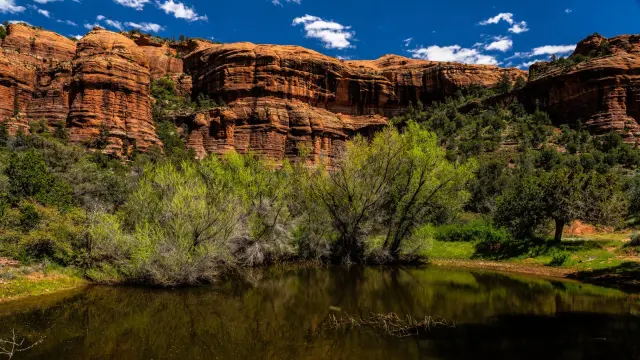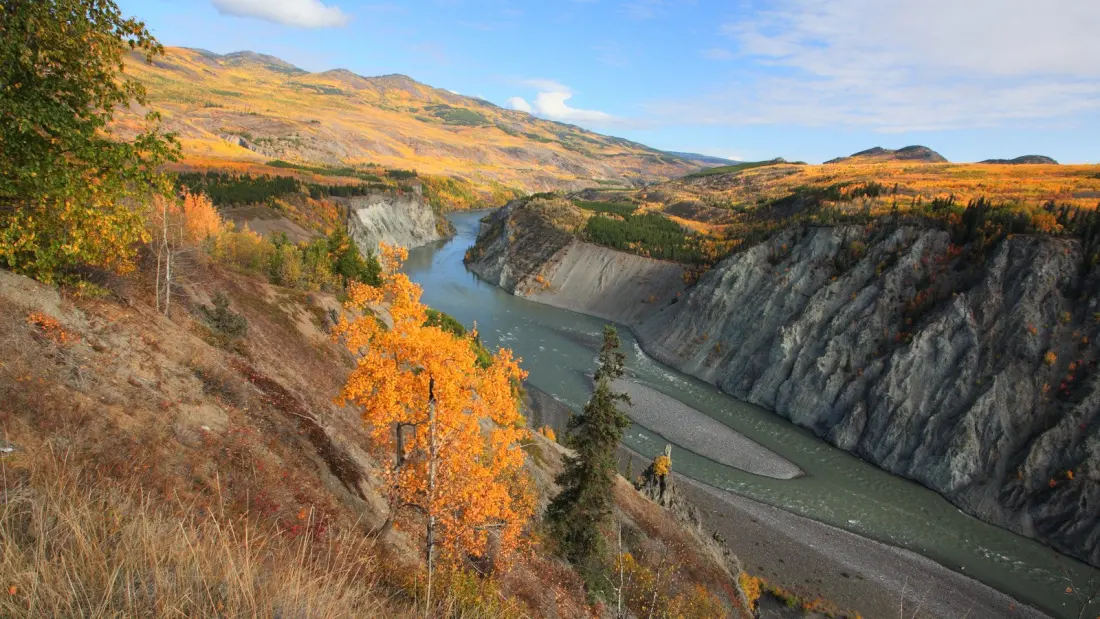
Deep in northern British Columbia, the Stikine River has spent millennia carving a 1,000-foot chasm through a 48-mile stretch of wilderness now protected as Stikine River Provincial Park. Locals call it the "Grand Canyon of the North," and while the nickname is ambitious, the comparison works in one crucial way: you'll share the views with mountain goats rather than tour buses.
Getting there is the first commitment. The park sits far from anywhere — the nearest airport, Prince George International (YXS), is still roughly 10 hours away by car. Most visitors arrive via Highway 37 or the Telegraph Creek Road from Dease Lake, following the river as it runs from the Stikine Country east of the Coast Mountains down to the Inside Passage in Alaska.
Don't expect a network of marked footpaths. The gorge's cliffs are too sheer for any trail down into the chasm itself, so the classic experience is the short walk from the parking area at the park entrance to the Tuya River viewpoint, which peers out over the valley. A second trail, about six miles on, drops to the valley floor. For more serious hiking, the region offers the tough out-and-back up Todagin Mountain from Tatogga Lake, and the Spatsizi Plateau Trail from Cold Fish Lake, with big views from the top.
The river itself is the star attraction. The Stikine is the fastest-flowing navigable river in North America, and paddling its upper reaches by canoe or kayak is a serious test reserved for expert whitewater enthusiasts. The gorge section is another story entirely: it's considered impassable, and only a handful of paddlers have ever tried it — with just one successful complete descent on record.
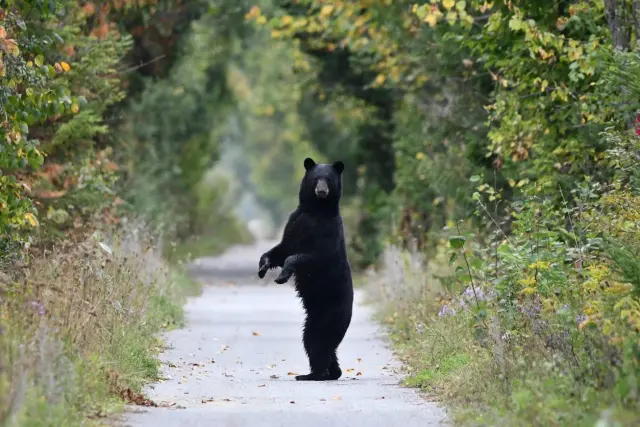
Wildlife watchers and anglers have plenty of reasons to make the trip too. Mountain goats cling to the canyon walls, while moose, grizzly and black bears, wolves, beavers, bald eagles and marmots are all commonly seen in the park. On the fishing front, the upper river yields Arctic grayling, Dolly Varden and rainbow trout year-round, while Chinook salmon and steelhead run below the canyon.
Camping is the best way to soak it all in. Wild camping is permitted throughout the park, and a few rustic sites offer fire rings, picnic tables and pit toilets. That's the full extent of the amenities, so this is genuine wilderness travel — come self-sufficient, and only attempt it if you're an experienced backcountry camper. If your idea of a great holiday is a jaw-dropping gorge, roaring water and total silence, the Stikine delivers what the real Grand Canyon increasingly can't: solitude.