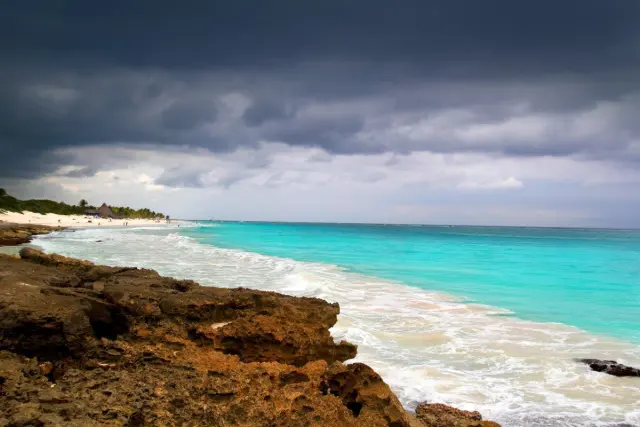
Cancún's story is well known: a 20-kilometer sandbar of all-inclusive resorts built from the 1970s onward, drinking the region's cenotes dry and swelling nearby towns with unplanned growth. What's new is that Mexico's government is now backing the other side of the Yucatán. In March 2026, Fonatur signed an agreement to steer the country's tourism sector — worth close to 10 percent of GDP — toward social justice, with local communities as active participants rather than scenery. President Claudia Sheinbaum's administration has picked three flagship projects for 2026 funding: Pueblos Mancomunados in Oaxaca, plus Maya Ka'an and Camino del Mayab on the Yucatán Peninsula.
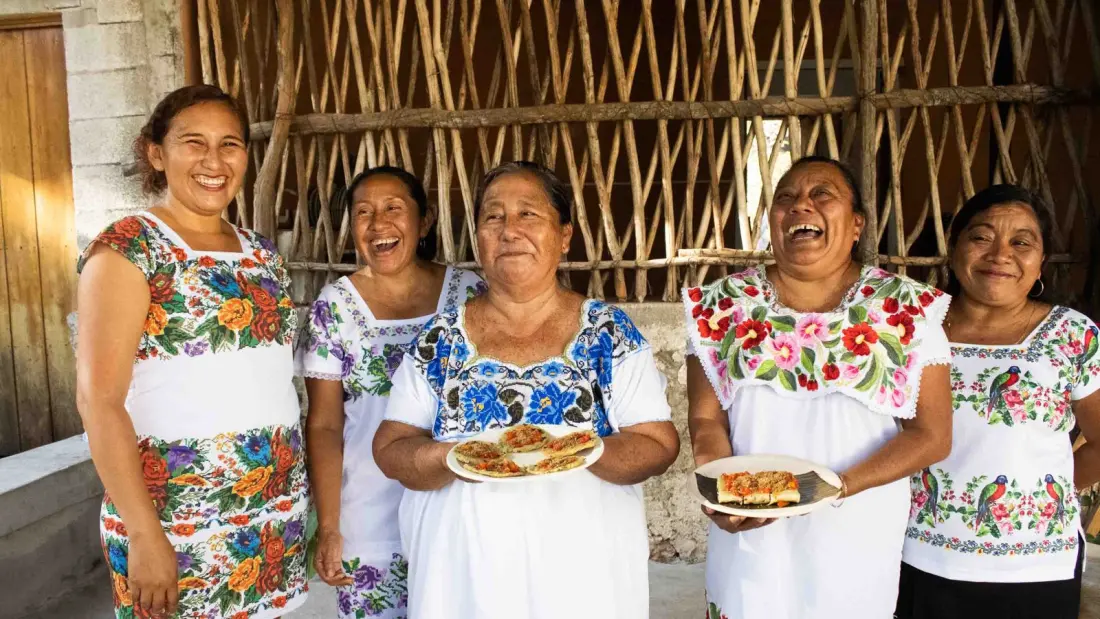
The Camino del Mayab is the one you can walk right now. Opened in 2020 by the conservation group EcoGuerreros, it's a 110-kilometer trail through jungle south of Mérida linking 14 Mayan communities. The terrain is flat and the route follows a disused railway that once hauled henequen (sisal) from haciendas to the coast — but expect around 23 kilometers a day in serious heat. Days run on local rhythm: an early start, lunch of pibil chicken and horchata in a family home, then a siesta or a swim in a cenote, the sacred sinkholes scattered across the peninsula. Roughly 80 percent of what hikers pay goes directly to residents — cooks, guides, homestay hosts — which is the point. People like Doña Norma, who cooks lunch for trekkers, previously had no way to earn money without leaving for Mérida or Cancún. The project has also funded a community library in Tzacalá that keeps local stories alive and helps young people apply to university.
Two hours east, Maya Ka'an takes a different shape. It wraps around the Sian Ka'an Biosphere Reserve south of Tulum and is led by Maya cooperatives such as Community Tours Sian Ka'an, which runs boat trips through ancient Mayan canals, mangrove channels and lagoons, plus jungle walks, birdwatching, kayaking and cooking workshops. Accommodation is deliberately limited to eco-lodges and rustic cabins — a striking contrast to the gated chain hotels lining Highway 307. Government money will go on water management, trails, signage and better visitor facilities, with hopes of expanding self-guided hiking options.
Why it matters: this is a rare case of a national government explicitly funding an alternative to its own mass-tourism model. For travellers, it means the Yucatán you glimpse from the plane window — that endless green carpet beyond the hotel strip — is now genuinely accessible, with homestays, guided hikes and Maya-led tours where locals set the terms. It suits hikers comfortable with heat, travellers who'd rather hear history from a former teacher than a resort rep, and anyone who wants their tourist dollars to stay in the villages they visit. Just book through the community operators themselves, and don't expect nightlife.