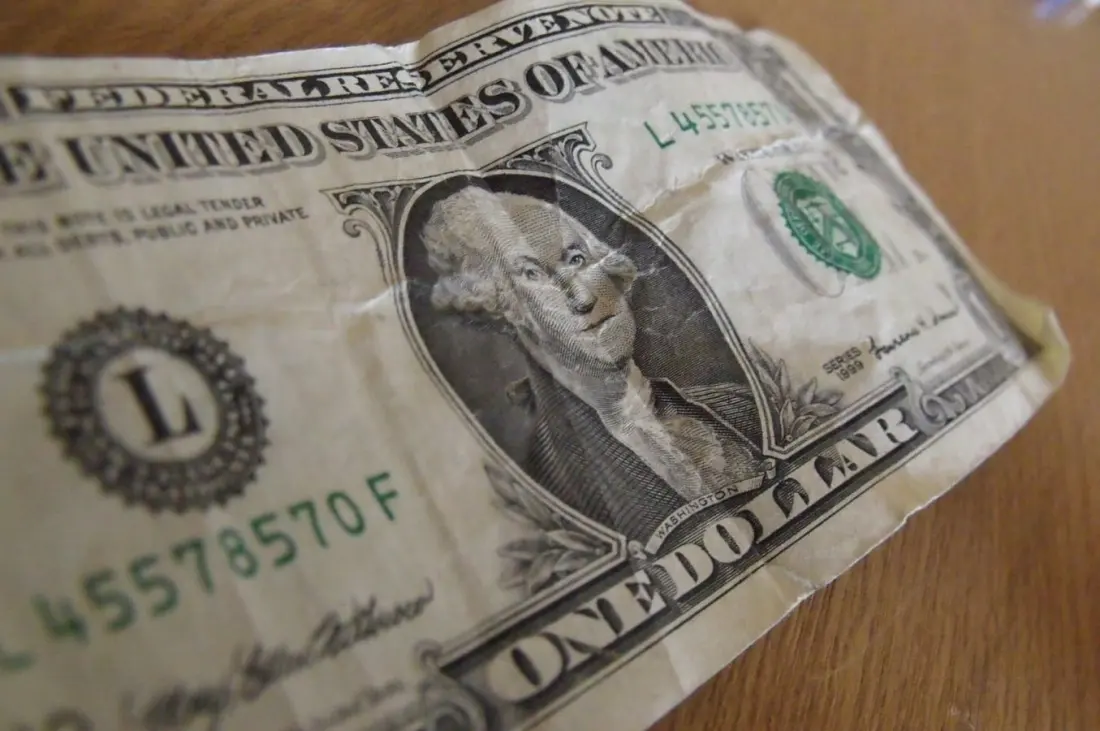
The US dollar has pushed back above 3,300 Colombian pesos for the first time since early October, and the move matters if you're planning a trip to Colombia this season. On Tuesday, November 10, the greenback opened at 3,274 pesos and touched 3,309.99 during the session before closing at 3,304.29 — a jump of more than 35 pesos in a single day. By Wednesday, the official TRM rate (Colombia's benchmark for currency transactions) sat at 3,297.07 pesos, up 0.83%.
For travellers, the arithmetic is simple: the weaker the peso, the further your dollars stretch. At current rates, a $100 dinner budget converts to roughly 330,000 pesos — noticeably more than it did in August, when the dollar bottomed out at 3,048 pesos, its weakest point of the year. Anyone who visited Colombia during that stretch got a bargain; late-year arrivals are getting a friendlier rate too.
So why is the peso sliding? October's inflation print came in at 6.30% annually — slightly below forecasts, but still stubbornly high. Analysts at Acciones & Valores note that the softer-than-expected figure actually reduces the odds that Colombia's central bank will raise rates further, which can make peso assets less appealing and nudge investors toward dollars. Meanwhile, the central bank has held its benchmark rate at 12.25%, and US inflation also ran hot at 0.4% for the month, reinforcing expectations that the Federal Reserve will stay restrictive — a combination that generally strengthens the dollar worldwide.
Oil is the third piece of the puzzle. Brent crude dipped below $92 a barrel, bad news for a country that leans on hydrocarbon exports for dollar income. Less expected oil revenue typically means more pressure on the local currency.
The year has been a rollercoaster for the peso. The dollar started 2026 at 3,757 pesos and peaked at 3,797.64 in early March, then fell steadily to that August low before recovering from October onward. The swings mean the timing of booking and paying for Colombian hotels, tours and domestic flights can genuinely change what you spend.
Practical takeaway: if you're heading to Bogotá, Medellín or Cartagena, your money currently goes about 8% further than it did two months ago. Exchange rates change daily, so keep an eye on the TRM before converting large amounts, and remember that card payments in pesos usually beat airport exchange counters on fees. Those paying in weaker home currencies — pounds, euros — will see a similar pattern, though the exact math depends on your own currency's strength against the dollar.
The bigger picture for visitors: Colombia remains one of South America's better-value destinations, and currency softness only adds to that. Costs on the ground — meals, transport, coffee — stay affordable while the exchange rate does travellers a favour.
Colombia One