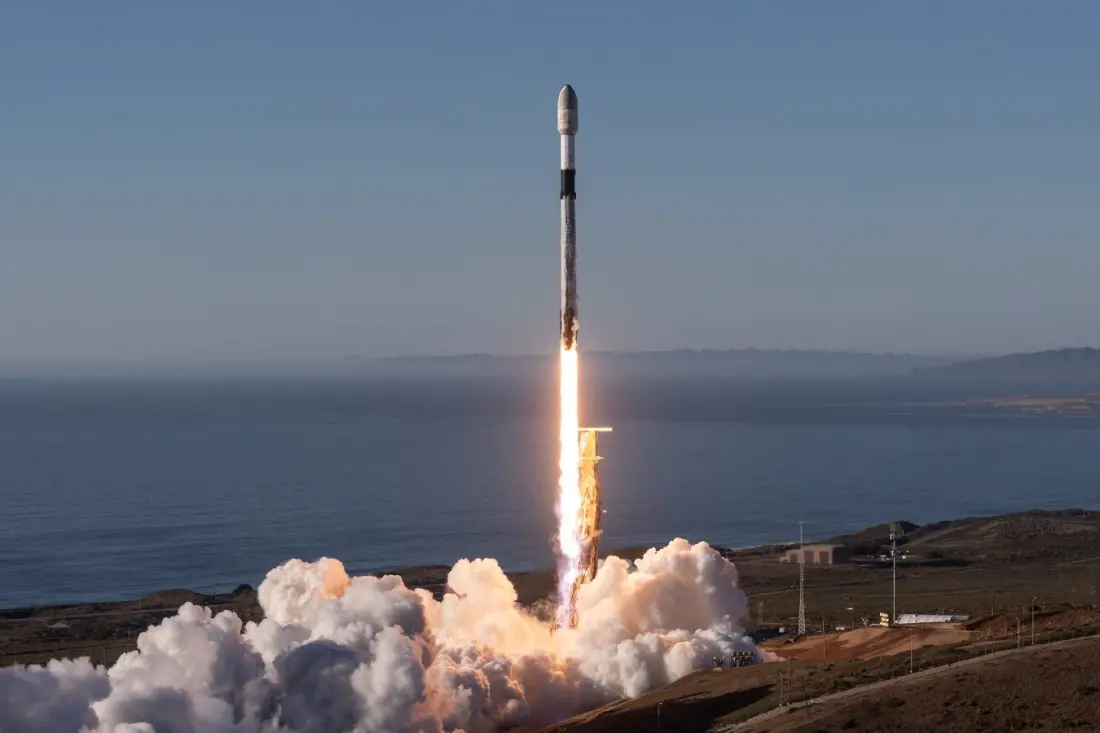
Colombia is making an unlikely pitch to Elon Musk, and two regional governors are leading it. In late October, Antioquia governor Andres Julian Rendon publicly offered up Uraba, a Caribbean coastal corner of his department, as a possible site for a SpaceX spaceport. Reports linked to his proposal mentioned roughly 2,000 hectares of available land, though nothing has been formally selected or agreed. It was not the first attempt — Rendon had already floated the idea in May, and revived it after Musk posted about Starlink connectivity helping a pregnant woman in rural Antioquia.
Now La Guajira governor Jairo Aguilar has joined in with a rival bid: Puerto Bolivar, in the remote Upper Guajira near Bahia Portete. His argument leans heavily on existing infrastructure. The area is home to a working maritime terminal long used by the Cerrejon coal operation, which handles 15 to 20 ships a month and can store around 610,000 tons. There is also a 150-kilometre railway linking the mine to the port, plus a registered airfield (code SKPB, administered by Intercor) operating since the mid-1980s.
Geography does the rest of the talking. Puerto Bolivar sits at about 12 degrees north latitude, with a dry climate, plausible launch trajectories and a combination of port, rail and air facilities that is rare anywhere. Aguilar frames the whole thing as a chance to make Colombia Latin America's gateway to the space industry.
Caveats matter, though. Both invitations are public appeals on X rather than formal projects, and Puerto Bolivar's infrastructure is currently tied to coal exporting — repurposing it for aerospace would require availability checks and significant adaptation. No deal with SpaceX exists.
For travellers, the real takeaway is the spotlight falling on two of Colombia's least-visited regions. Uraba remains a wild, little-developed stretch of Caribbean coast between Medellin's hinterland and the Panamanian border, with mangroves, beaches and a growing reputation among adventurous travellers. La Guajira is already one of South America's most striking landscapes — desert dunes, salt flats, flamingo sanctuaries and the indigenous Wayuu culture at Cabo de la Vela and Punta Gallinas, the continent's northernmost tip. If even a fraction of the space-industry attention materialises, expect roads, flights and hotel stock in these remote zones to improve over the coming decade.
In the meantime, both regions reward early visitors. They are raw, logistically challenging and far from Colombia's established Caribbean circuit of Cartagena and Santa Marta — which is exactly the appeal. Anyone wanting to see La Guajira's desert-meets-sea terrain before the tour buses arrive has a rare window now.