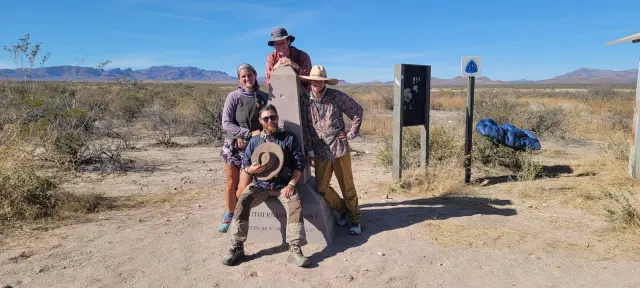
The author behind The Trek's latest long-distance dispatch has completed the Continental Divide Trail, hiked the Sierra Nevada and the Colorado high country, and logged four thru-hikes in the American West. Now comes an unexpected twist: hike number five is the Appalachian Trail, roughly 2,190 miles of forested ridgeline running from Georgia to Maine, and the first real time spent hiking east of the Mississippi.
Most AT chatter centres on the downsides - relentless humidity, muddy rock, scarce viewpoints and the trail's famous crowds. But this writer is taking the opposite view, laying out ten reasons to be genuinely excited about a five-month southbound (SOBO) hike starting later in the season, timed to chase autumn colour and sidestep the springtime northbound bubble.
Top of the list is a feature western trails simply can't match: 'trail magic'. On the remote Continental Divide, a surprise cooler of cold drinks from a local is a once-a-hike event. On the AT, roadside support from 'trail angels' is frequent enough to be a running theme - a real morale boost on a trail many say is more mentally grinding than physically brutal.
Town stops are another draw. Rather than remote supply points that demand immediate planning to get back to the trail, AT towns double as proper rest days: a gear shop in Marion, Virginia; riverside mineral-soak tubs in Hot Springs, North Carolina; and the legendary all-you-can-eat Dynasty Buffet in Gorham, New Hampshire, where hiker hunger meets its match.
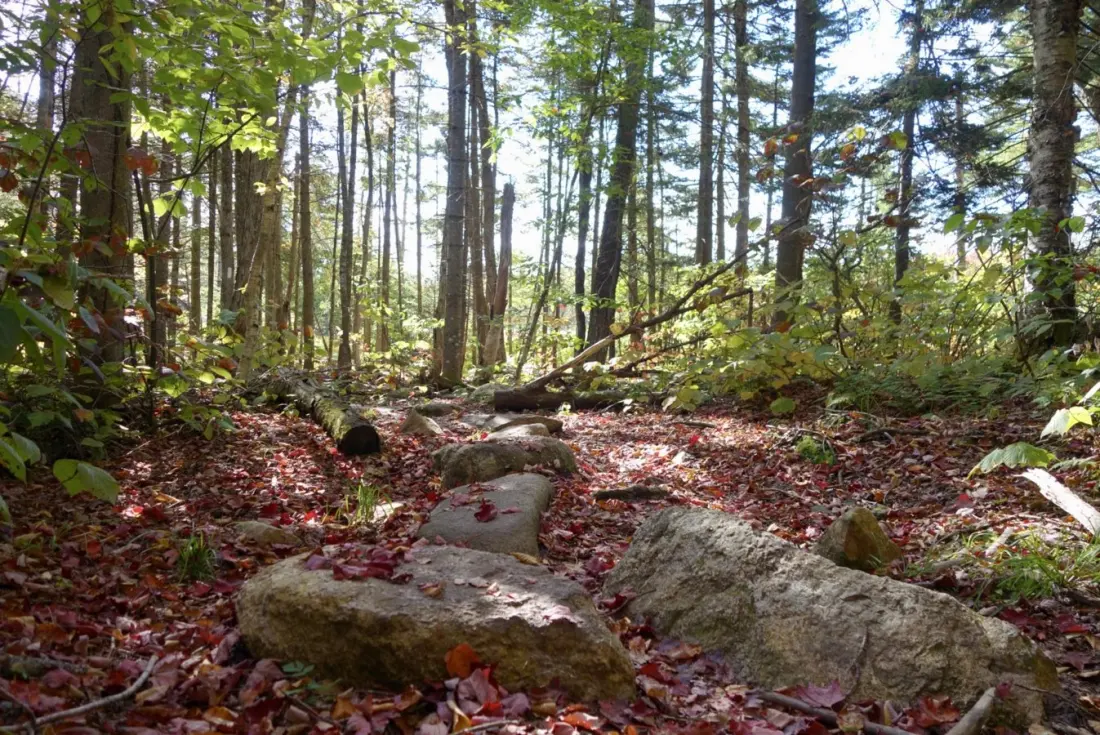
The terrain itself gets reframed. Yes, it will be steep, wet and rooty, but the AT rarely climbs above treeline, so there's far less lightning exposure than the Rockies, and tree cover means less sun damage. Water is abundant too - reliable springs every few miles instead of the litre-hauling anxiety of western dry stretches. Add the trail's iconic white blazes (no more GPS squinting at junctions) and roughly 250 three-walled shelters that spare hikers a nightly tent routine, and the daily rhythm sounds almost relaxed by comparison.
There's also a cultural dimension missing from western trails. The AT threads through some of the most historically significant ground in the United States - Civil War landscapes, colonial-era settlements - plus the dense, layered communities of Appalachia. And ecologically, it's a whole new curriculum: the writer plans to finally learn the ferns, wildflowers, birds and (smaller) wildlife of the East's famous 'Green Tunnel', newts included.
For travellers, the takeaway is a useful mindset shift. The AT is rarely anyone's scenic pick over Colorado's peaks, but its charm is in the texture: trail culture, small towns, forest intimacy and a support network no other American long trail replicates. And you don't need five months - the same virtues make sections in Virginia, North Carolina or the White Mountains perfect one-to-two-week hikes. Southbound or section-hiking in September and October, you'll catch the foliage and the quiet.
Whether the Green Tunnel wins over a dyed-in-the-wool western hiker remains to be seen, but the case for trying is convincing.