At Conrad Maldives Rangali Island, the priciest room comes with a ceiling of fish. The Muraka, opened in November 2018, is a two-level residence whose master bedroom sits roughly five metres below the surface of the Indian Ocean, wrapped in a curved acrylic dome. The name comes from the Dhivehi word for coral, and the whole point is simple: instead of snorkelling out to the reef, you watch it drift past your bed.
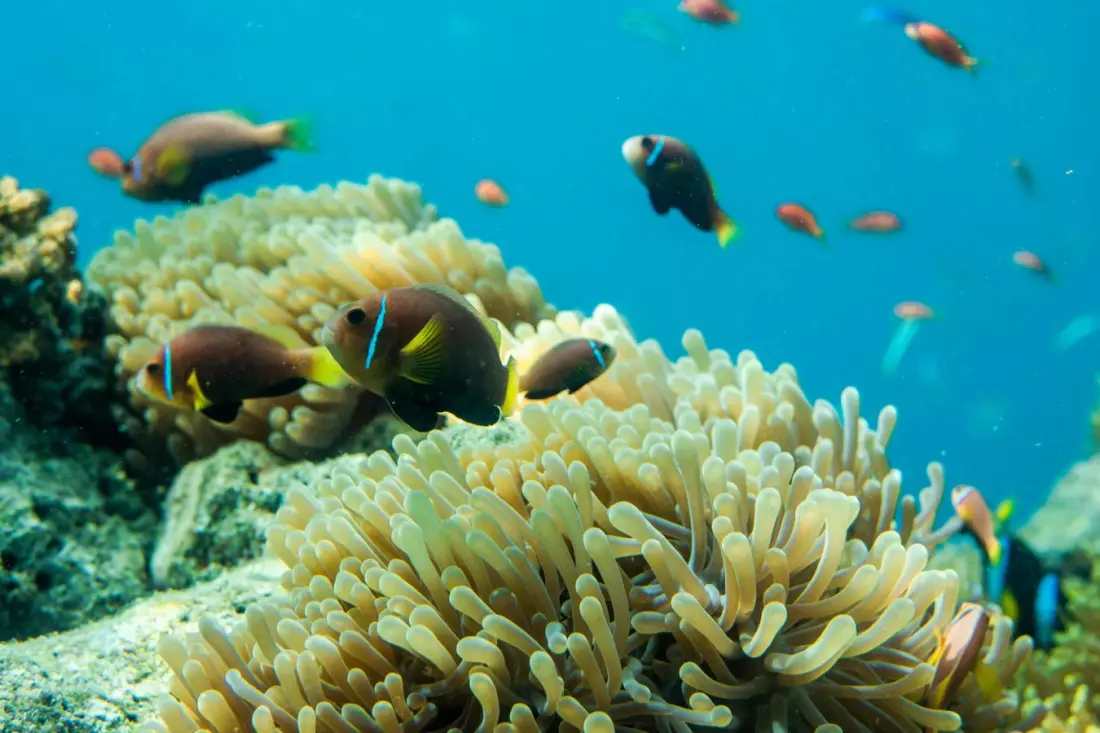
The experience shifts with the light. By day, sunlight filters through the water and fish glide by the dome. After dark, the visuals fade but the ocean gets louder — one travel writer reported clicking and popping sounds around the room, which the resort's marine biologist attributed to parrotfish grazing on algae around the structure. It's a reef encounter without fins, tanks or even getting out from under the covers, though it's worth knowing that the views depend on natural light and what the marine life feels like doing. This isn't a constant aquarium show.
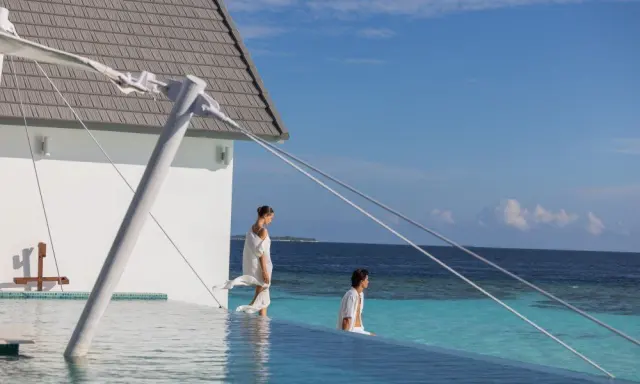
The engineering is part of the story. Designed by Maldivian architect Ahmed Saleem with Yuji Yamazaki Architecture, the submerged section was built in Singapore, shipped to the Maldives and lowered into place. The full residence spans about 550 square metres across two levels: three en-suite bedrooms above water, plus living and dining spaces, a kitchen, an infinity pool, outdoor decks and a private gym. You reach the underwater level by spiral staircase or a private elevator.
Now for the catch — the price. At launch, reported nightly rates hit around US$50,000, putting The Muraka firmly in once-in-a-lifetime or celebration territory. Later reports suggested lower indicative rates, but prices vary, so anyone seriously tempted should contact the resort directly for current numbers and packages.
Why care if you'll never book it? Because The Muraka captures something interesting about the Maldives right now: resorts competing to bring guests closer to the reef in new ways, and a reminder that those reefs are living ecosystems under real pressure from warming seas and bleaching. A structure can attract fish, but that doesn't settle its environmental footprint — a fair caveat for anyone weighing an ultra-luxury stay against the health of the ocean it sits in.
For most travellers, The Muraka is a spectacle to know about rather than a booking to make. But if underwater sleeping is the dream and the flagship price isn't, the Maldives has plenty of more accessible overwater villas and house-reef snorkelling that get you surprisingly close to the same marine world. Either way, this is the property that set the benchmark for sleeping beneath the waves.