Before Winnie-the-Pooh was a children's book icon, he was a real black bear named Winnie — and after her death in 1934, her skull ended up in a London medical collection. It's one of the stranger footnotes in the city's literary history, and it ties together a Canadian army veterinarian, London Zoo and one of the best-loved characters ever written.
The bear was named after Winnipeg, the hometown of Harry Colebourn, a Canadian soldier who bought her as a cub from a hunter during the First World War. When his regiment shipped out to France, Colebourn left Winnie at London Zoo. She proved so gentle that zookeepers let visitors into her enclosure to feed her — and one of the regulars was a young boy named Christopher Robin Milne, who loved her so much he named his teddy bear after her. His father, A.A. Milne, ran with the idea.
Winnie lived at the zoo until her death in 1934, and her remains were passed to the Royal College of Surgeons, where her skull was kept among thousands of specimens. It later went on display at the Hunterian Museum, the college's museum in Lincoln's Inn Fields, giving Pooh fans an unexpectedly literal piece of the story to seek out. The museum has closed and reopened for major renovations in recent years, so anyone making a special trip should check current opening status before going.
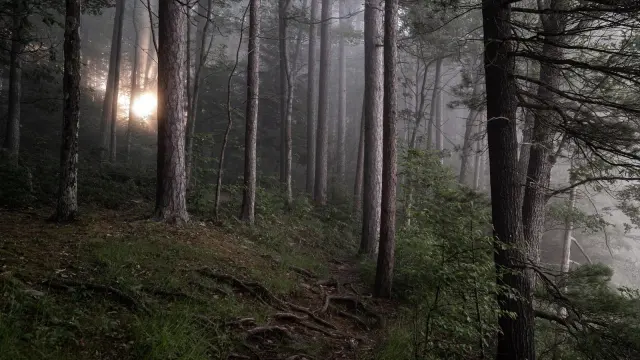
For travellers, this is a lovely thread to pull through London. Start with a plaque and the story at London Zoo in Regent's Park, where Winnie lived for years, then head to the Hunterian if it's open, and finish at the real Ashley-down setting in East Sussex — the Hundred Acre Wood is based on Ashdown Forest, an easy day trip from the city. It's a completely different angle on London than the usual palace-and-pub circuit, and one that works brilliantly with kids.
The tale is also a reminder of how much of literary London hides in plain sight: a war story, a zoo enclosure and a museum specimen sitting quietly behind one of fiction's most cheerful characters. Few visitors realise the 'real' Pooh is a she, and fewer still know you can technically stand a few feet from her remains. If you're in the city with a soft spot for Milne's books, it's worth building an afternoon around it — especially combined with nearby institutions like the British Museum, which is a short walk from the Hunterian.
Just do one thing first: verify the museum's opening hours and any exhibition schedule, because access to specific specimens can change. The bear waited nearly a century to become a stop on the tourist trail — she'll wait until your next trip if the timing's wrong.
Original story via Secret London.