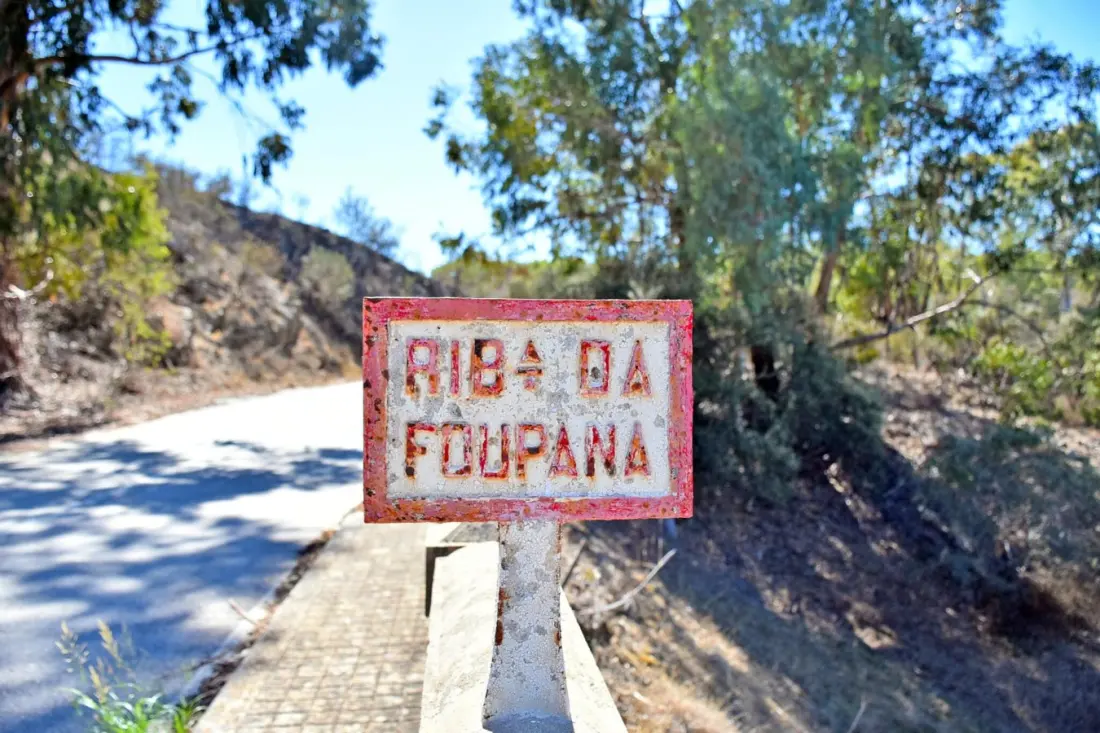
A fight is brewing in the eastern Algarve over a proposed dam that critics say could wipe out one of Portugal's rarest freshwater fish. The Foupana dam, still at preliminary-study stage, would rise about 52.5 metres across land in the Alcoutim and Castro Marim municipalities, storing between roughly 99 and 124 million cubic metres of water at an estimated cost of €150-200 million. It would connect to the existing Odeleite-Beliche system via a tunnel.
Environmental association ZERO submitted its objections on the final day of the project's public consultation, which had run since August 31 as part of the environmental impact assessment. The group wants an unfavourable Environmental Impact Declaration, arguing the study fails to prove a new dam is the best way to boost the region's water supply. Its estimate: the project would add only around 10 million cubic metres of reliable water a year to the Odeleite-Beliche system — a modest gain, ZERO says, weighed against permanent environmental harm.
The flashpoint is the saramugo, or Iberian minnowcarp (Anaecypris hispanica), an endangered fish endemic to the Guadiana basin. It has already vanished from about half of the Portuguese sub-basins it once occupied and now clings to just five — and the Foupana stream is one of its last refuges. ZERO points out that the project's own environmental study reportedly concedes the fish "will not survive the effects of the project", while still concluding the Natura 2000 network would not be significantly affected. The group calls that contradictory, and has already complained to the European Commission that Portugal wrongly excluded the Foupana and other key watercourses from the Natura 2000 network.
There's also a governance angle. ZERO is asking for public clarification after Macário Correia emerged leading both the irrigation association promoting the dam and AdP AQUA, the Águas de Portugal company implementing the national Água Que Une water strategy. The association stops short of alleging a proven conflict of interest but wants independence safeguards explained before any licensing or financing decisions.
ZERO isn't alone. The Platform for Sustainability and Biodiversity of the Algarve and Alentejo came out against the dam earlier this month, warning of irreversible damage to the stream and arguing the project would spur water-hungry agriculture. Both organisations want the region to prioritise fixing leaks, improving efficiency and reusing treated wastewater instead of building new infrastructure — and both want a proper strategic assessment of the wider Água Que Une plan across the Guadiana basin.
Why should holidaymakers care? The Algarve's water supply has become a live issue for its tourism economy, and how Portugal balances farming, residents and visitors will shape the region's future. For travellers heading to the quiet eastern Algarve, the Foupana valley is also a reminder that this dry corner of Europe shelters rare wildlife worth protecting.