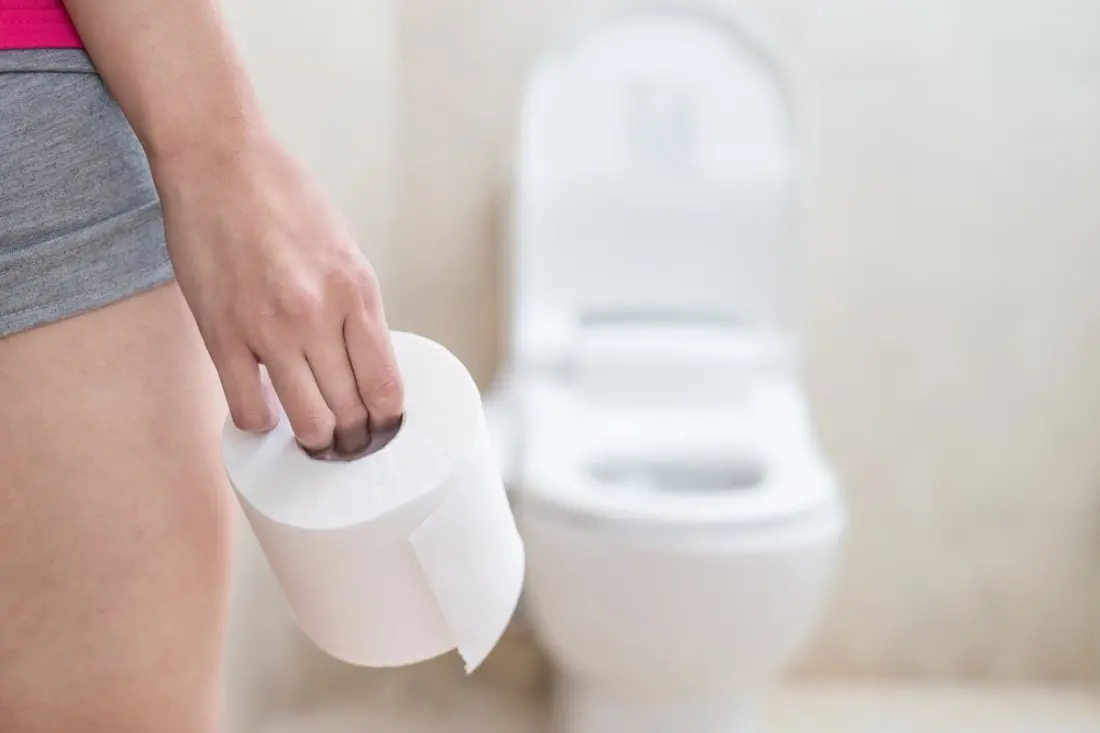
Anyone who has travelled in Mexico has met the little bathroom sign politely asking you to drop used toilet paper in the bin instead of flushing it. It confuses visitors and, according to a new guide from Mexperience, it's one of the most misunderstood quirks of Mexican plumbing — one that matters whether you're renting a beach apartment for a month or buying a retirement home.
The basics are simple. Homes in established urban neighbourhoods are usually hooked up to a municipally-run mains sewer, where waste water is treated and recycled. Investment by successive governments has improved these systems considerably in recent decades, largely because leaky sewers are a public health risk. If you rent or buy a property with mains water, it will almost certainly already be connected. If you're building on a plot near a sewer main, the connection must be carried out by the local water authority — your own plumber isn't allowed to do it. Billing comes with the water bill, typically every two months, either as a fixed charge or based on how much fresh water you use.
Outside city centres — or in spots where topography or subsoil make mains connections impossible — properties rely on septic tanks. Waste water is piped into a buried tank, then through a gravel-filled drainfield, before filtering into the surrounding soil as a natural fertiliser. Managed well, a septic tank mostly looks after itself; managed badly, you'll know about it by the smell and waste water surfacing in the garden.
So what about the paper? Mexperience's take is pragmatic. Toilet paper breaks down quickly and modest amounts are perfectly safe for both mains sewers and septic tanks — the idea that paper destroys septic systems is unfounded. But in older properties with narrow waste pipes, binning it is simply practical, and as a guest it's courteous to follow whatever the sign says. What genuinely wrecks a septic system is flushing tissues, nappies, dental floss, sanitary items or anything containing plastic or rubber.
The maintenance tips are worth knowing before you commit to a rural or coastal rental. Spread laundry and dishwasher loads across several days rather than dumping a huge volume of water into the tank at once. Keep cooking fats and food scraps out of the kitchen sink, wiping plates with kitchen roll first. Skip harsh chemicals entirely: septic tanks rely on bacteria to break down waste, so bleach weakens them and drain unblockers like Drano — full of corrosive acids — can kill the tank outright. A plunger or drain snake does the job instead, and natural cleaners such as vinegar, baking soda and citrus are tank-friendly. Tanks occasionally need pumping out, and a failed one is a big, expensive digging job to replace.
Why does this matter to travellers? Long-stay visitors, digital nomads and anyone house-hunting in Mexico will encounter these systems constantly, and knowing the difference between a municipal connection and a septic tank helps you ask the right questions before signing a lease or a purchase contract. It also explains a daily ritual that puzzles millions of tourists every year.