
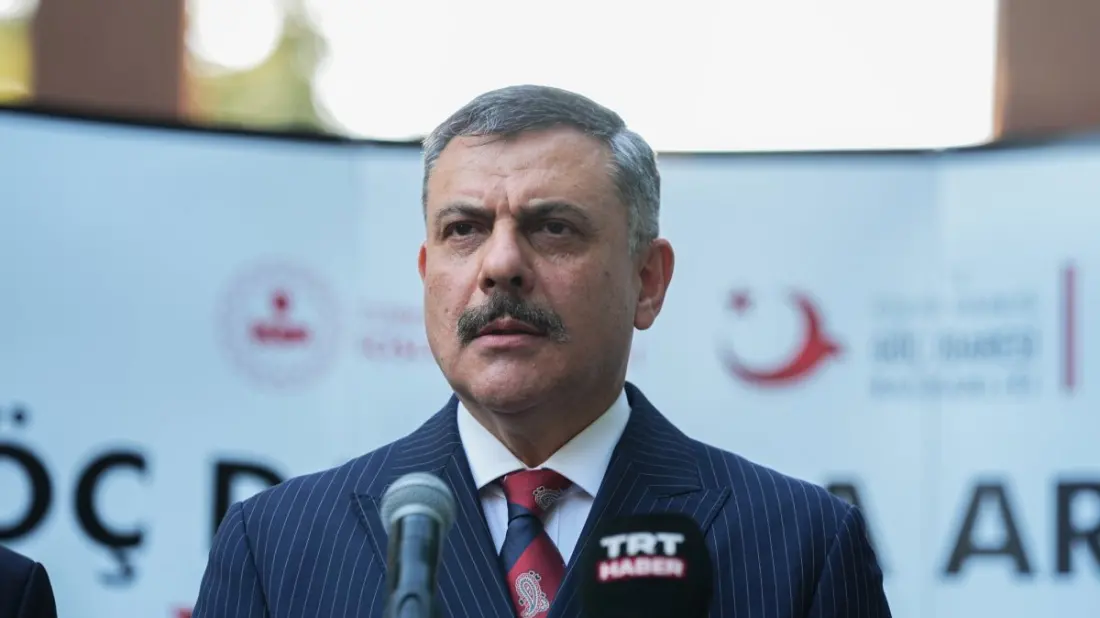
Türkiye's government says its campaign to end decades of terrorism is entering a decisive stage. Interior Minister Mustafa Çiftçi told a live broadcast this week that the "Terror-Free Türkiye" initiative is now official state policy, with security forces monitoring the process on the ground to keep it from stalling. For anyone planning a trip to the country, the trajectory matters: a stable resolution would further cement Türkiye's image as one of the region's most visited and most secure mass-tourism destinations.
The details are concrete. Parliament held 21 meetings with different parts of society before its recess, and a six-month countdown will begin once the National Security Council confirms the Kurdish militant group PKK has surrendered its weapons and dissolved. Justice Minister Akın Gürlek said separately that the country is preparing the second phase of the process, with supporting legislation already drafted. When asked whether terrorism could be fully off Türkiye's agenda by 2027, Çiftçi said the timeline depends on the group complying with the legal framework — and that a faster outcome would benefit the country.
The story doesn't stop at the border. Çiftçi framed Türkiye's security as tied to developments in Syria, Iraq and Iran, following talks with Iranian counterpart Eskandar Momeni in Ankara. He also said the PKK's Syrian affiliate, the YPG, is expected to disband and fold into Syria's state structures — a significant development for a region that borders popular southeastern Turkish destinations.
Ankara is also pushing security cooperation beyond its own borders. At a meeting of interior ministers from the Organization of Turkic States in Kazakhstan, Türkiye proposed a Crime-Fighting Council covering everything from terrorism and organised crime to cybercrime, human trafficking and migrant smuggling. A longer-term idea is "Türkpol," a joint law-enforcement mechanism modelled loosely on Interpol and Europol, plus shared passport control points at borders between member states — an idea explicitly inspired by European practice. If it happens, smoother crossings between Türkiye and neighbours like Georgia, Azerbaijan and the Central Asian states would be a genuine quality-of-life upgrade for overland travellers.
Why should a holidaymaker care? Popular visitor regions — Istanbul, the Aegean and Mediterranean coasts, Cappadocia — are far from the areas these initiatives concern, and Türkiye already welcomes tens of millions of international visitors a year. But the direction of travel is clear: fewer security flashpoints, deeper regional coordination and, potentially, easier border procedures with neighbouring Turkic states. For travellers with itineraries in the southeast, or plans to cross into Georgia or onward by land, the news signals gradual normalisation rather than risk. It's not a reason to book a flight tomorrow, but it's useful context for anyone weighing how stable the region will look over the next couple of years.
Reported by Daily Sabah.