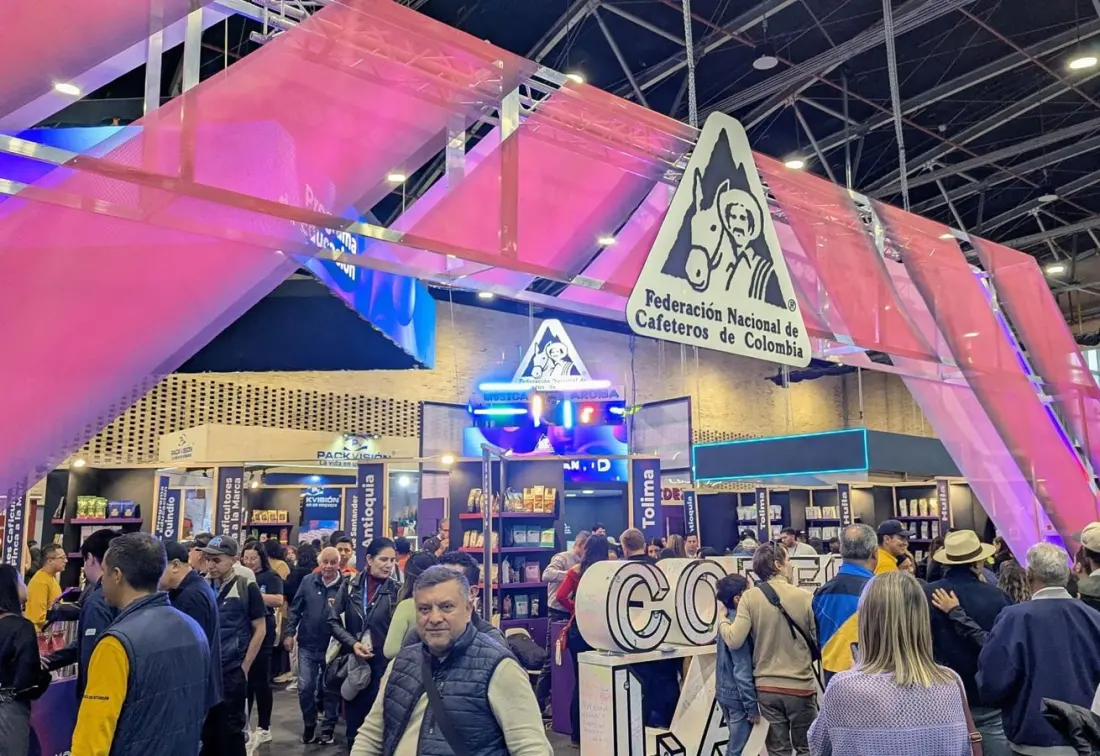
Colombia's government wants more money, and it's eyeing the country's most iconic product to get it. A new fiscal package presented to Congress would strip roasted coffee of its reduced 5% VAT rate and push it to the standard 19% from January 1, 2028 — a 14-point jump that has the coffee sector up in arms.
The Economic Rescue Bill was introduced by Vice President José Manuel Restrepo, Finance Minister Miguel Gomez and Justice Minister Ivan Cancino under President Abelardo de la Espriella, with the aim of closing a stubborn fiscal deficit. Coffee isn't alone: sugar, cooking oil, pasta and drinking chocolate would also lose their preferential tax treatment. The standard rate isn't going up — the change simply removes discounts on everyday staples.
The National Federation of Coffee Growers (FNC) is not having it. Its general manager, Germán Bahamón, publicly urged the government and Congress to reconsider, arguing that coffee has already absorbed big price rises while keeping consumption strong — but that resilience has limits. A tax of this size, he warned, could shrink demand, push consumers toward cheaper blends made with imported beans, and hit the hundreds of thousands of rural families who depend on the crop. He has a point about timing: with the peso strengthening against the dollar, coffee-growing regions have lost roughly 2 trillion pesos (about US$635 million) in the past 12 months, and growers are pocketing around 700,000 pesos (US$225) less per carga of 125 kilograms.
The numbers behind the worry: Colombians drink about 2.4 million bags a year, and the country has also imported roughly 1.55 million bags over the past year. Cheaper imported coffee undercutting 100% Colombian beans on home turf is exactly the scenario the Federation fears. There's precedent for the anxiety too — back in 2018 the FNC made similar warnings when taxes on coffee and its inputs were floated.
For travellers, the relevance is twofold. First, a café con leche or a bag of beans to take home from Bogotá or Medellín could get pricier if producers pass costs on, though the final impact depends on pricing decisions and market conditions. Second, the health of the coffee sector underpins the country's beloved coffee-region tourism — the paisa towns, finca stays and cupping workshops around Manizales, Armenia and Salento all exist because growing coffee remains viable for the families who host visitors. A squeeze on growers' incomes is not great news for anyone planning a trip through the Zona Cafetera.
Nothing changes for now: the bill still needs to clear Congress, and the new rate wouldn't kick in until 2028. But the fight over the tax is a useful window into how central coffee is to Colombia's economy — and a reminder that the cup you order in a Salento café is the end of a supply chain under real pressure. Anyone planning a coffee-farm tour or stocking up on beans may want to watch how this debate plays out.
Colombia One