A technical failure at UK air traffic control grounded flights across the country on 8 and 9 September, and now the Civil Aviation Authority has delivered the bad news: most affected travellers probably won't see a penny in compensation.
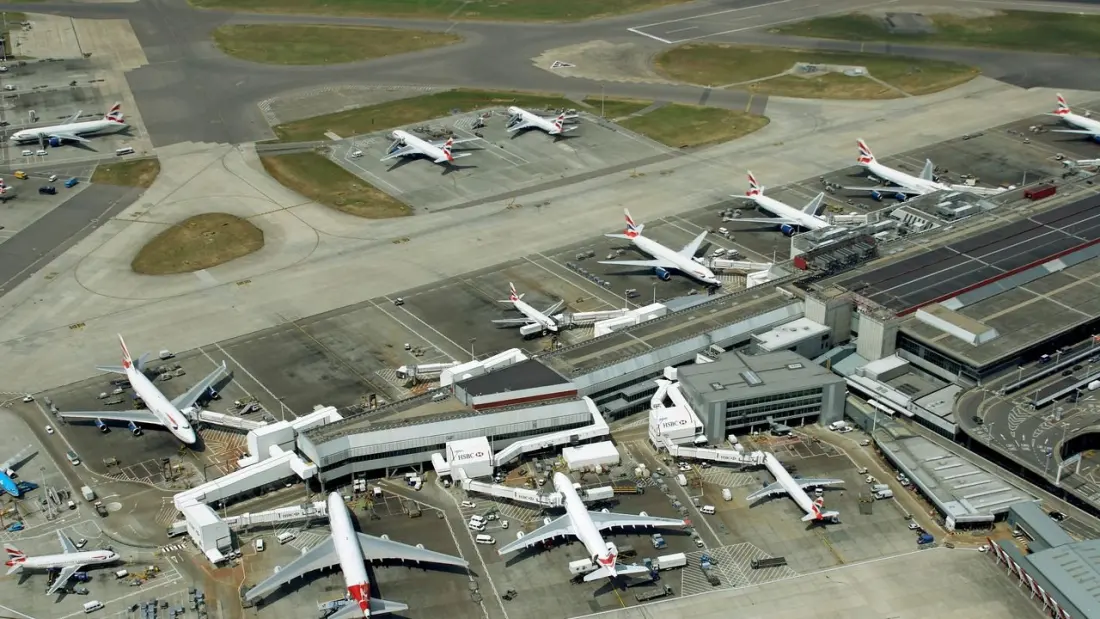
The problem began on Tuesday 8 September when National Air Traffic Services (NATS) suffered a fault in its flight processing system. The failure hit both inbound and outbound UK flights, with FlightRadar24 logging around 1,300 cancellations on the Tuesday alone. By the time the dust settled, more than 2,000 flights had been scrapped over the two days. Heathrow suspended arrivals for the rest of Tuesday, and the ripple effects spread to European airports as aircraft and crews ended up in the wrong places.
The worst-hit airports were the big London hubs — Heathrow and Gatwick — plus Manchester and Stansted, but the list of disrupted airports reads like a tour of the country: Luton, Birmingham, Belfast City, Edinburgh, East Midlands and Jersey were all affected.
NATS chief executive Martin Rolfe apologised and promised a full investigation, admitting the fix had taken "longer than hoped". The company called it a "very complex recovery" with knock-on difficulties for the entire aviation network. By Thursday morning, flights were largely back to normal and stranded passengers were making their way home, though airlines still needed time to reposition aircraft and crew.
So why no compensation? Under UK passenger rights rules, airlines can escape paying out for delays and cancellations caused by "extraordinary circumstances" — events outside their control. The CAA has said the NATS outage falls squarely into that category, so passengers whose trips were directly wrecked by the incident are unlikely to be entitled to compensation. That's frustrating for anyone who lost a holiday or spent a night on an airport floor, but it's the established interpretation of the rules: compensation typically applies when the airline itself is at fault, such as crew shortages or maintenance issues.
There are still practical steps worth taking. Airlines generally have a duty of care regardless of the cause — meaning food, drink and accommodation during long delays should be provided even when compensation doesn't apply. And if you booked on a credit card or through a package holiday provider, alternative routes to recouping costs may exist. Keep receipts and documentation either way.
For travellers with upcoming flights, the main lesson is familiar: check your flight status directly with the airline before heading to the airport, and know your rights before disruption strikes. Heathrow itself advised passengers not to travel unless their flight was confirmed as operating. When a national system like air traffic control goes down, the chaos is nobody's fault in legal terms — but being prepared can make the difference between a stressful wait and a ruined trip.