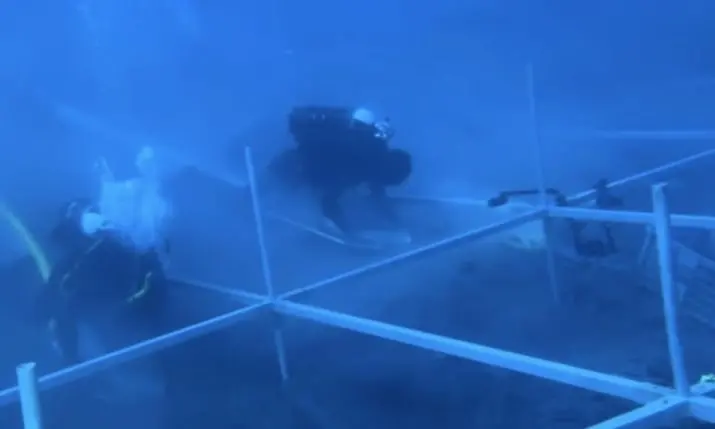
Just off Croatia's southern Dalmatian coast, underwater archaeologists are quietly piecing together the seafaring past of one of the Mediterranean's great trading powers. In the waters around the Elaphiti Islands — the small archipelago northwest of Dubrovnik — international teams have been examining centuries-old wrecks that once belonged to the maritime world of the old Republic of Dubrovnik.
The headline site is the Santo Hieronimo, a merchant ship resting about 30 metres down in Suđurađ Bay on the island of Šipan. Researchers describe it as the first merchant vessel of the Republic of Dubrovnik to undergo systematic archaeological investigation, which makes it something of a landmark for Croatian maritime archaeology. Work there has been running since 2015, involving scientists, underwater divers and students from several countries.
The team has mapped the keel's length and the ship's central frame, and has been slowly uncovering the bow — a painstaking process, since everything happens at depth on fragile remains that have sat in the sea for hundreds of years. Each season adds detail to what the vessel looked like and how it was built.
Why does this matter beyond the dive site? The Republic of Dubrovnik built its wealth and influence on shipping, linking the eastern Adriatic to the wider Mediterranean through an extensive trade network. Wrecks like the Santo Hieronimo don't just show how ships were constructed — they hold clues to the cargo, technology and commercial routes of an era when Dubrovnik's ships were its economy and its diplomacy rolled into one. The Elaphiti research is part of a wider effort to document the Adriatic's underwater heritage, a history that goes far beyond the fortified walls and stone towns visitors see on land.
For travellers, this adds a fresh layer to a corner of Croatia that's often treated as a quick day trip from Dubrovnik. Šipan and Koločep are reached by ferry from the city, and the islands reward anyone who lingers: quiet harbours, old summer houses and clear water. If you're a certified diver, the area's wreck sites and underwater heritage make an appealing reason to plan a dive-focused stay — though it's worth remembering that archaeological sites are protected and require careful handling, so stick with reputable local operators. Even for non-divers, the story deepens the experience of sailing or kayaking these waters: you're floating over a historic shipping corridor, not just pretty scenery.
Anyone with an interest in maritime history should also keep an eye on Dubrovnik's museums, where finds and findings from Adriatic research increasingly surface in public displays. And with further seasons of investigation expected, the picture of these vessels and their voyages will only get sharper — a good excuse to visit now and again in a few years, with a better story to tell.