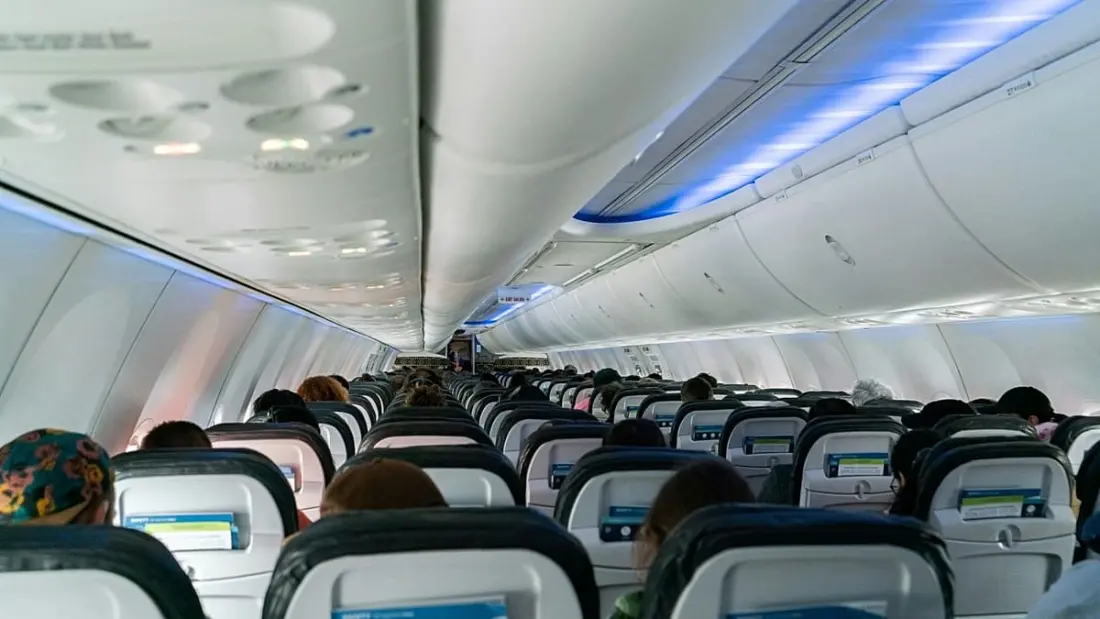
Families flying from the UK just got a small but meaningful break. As of 2 October, airlines can no longer charge parents to guarantee a seat next to their child — a fee that until now could add up to £104 (€122) to a return ticket for an under-14 travelling with a parent or accompanying adult. Free corrections for simple name errors on bookings are part of the same package, ending charges that ran as high as £40 (€47) per fix.
Transport Secretary Heidi Alexander framed the changes as an everyday cost-of-living fix: parents shouldn't have to pay extra just to sit beside their own kid, or to correct a typing slip. The rules apply to all airlines operating in the UK, regardless of where they're based.
Not everyone is cheering. Ryanair chief Michael O'Leary has dismissed the announcement entirely, insisting the fees simply don't exist — his airline already offers a 24-hour grace period for free spelling corrections. He argues the move is political cover, pointing to the government's increase in Air Passenger Duty to £15 (€17.63) per ticket in 2026 — £60 (€70.53) for a family of four — and criticising the leadership of UK air traffic control after a series of system failures. So while the rule is now on the books, travellers may want to check how individual airlines implement it in practice.
The UK isn't alone here. The EU has similar passenger rights rules in the pipeline, expected to take effect next year. These would guarantee free adjacent seats for parents of children under 14, extend the same guarantee to adults travelling with pregnant passengers or people with disabilities or reduced mobility, allow free name corrections, and even ban charging for a printed boarding pass. If both regimes land, families across Britain and Europe could see a genuine shift in how airlines handle seating fees.
There's a second strand to the announcement: the UK government is working with airlines and trade unions on a shared database of persistently disruptive passengers. Airlines logged more than 1,000 serious incidents last year, and the new system would let carriers see whether other airlines have banned someone — and apply their own ban if warranted. That's a safety measure as much as a consumer one, and it brings the UK in line with moves being considered elsewhere.
For holidaymakers, the practical upshot is straightforward. If you're flying with a child under 14, seating you together is now a right, not an upsell, on UK flights. Booking a typo no longer has to mean a £40 penalty call. And carriers have less room to nickel-and-dime at the airport either way, if the EU's printed boarding pass ban eventually spreads. Worth keeping an eye on the EU rules, though — they go further than the UK version, with extra protections for pregnant and disabled travellers. Story via Euronews Travel.