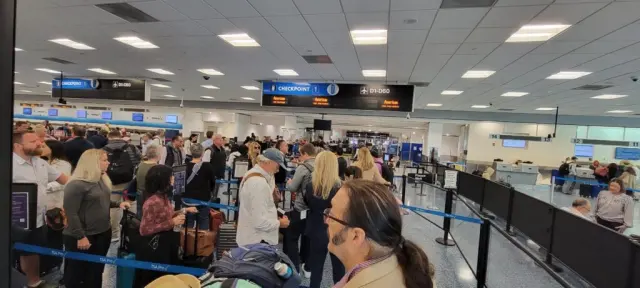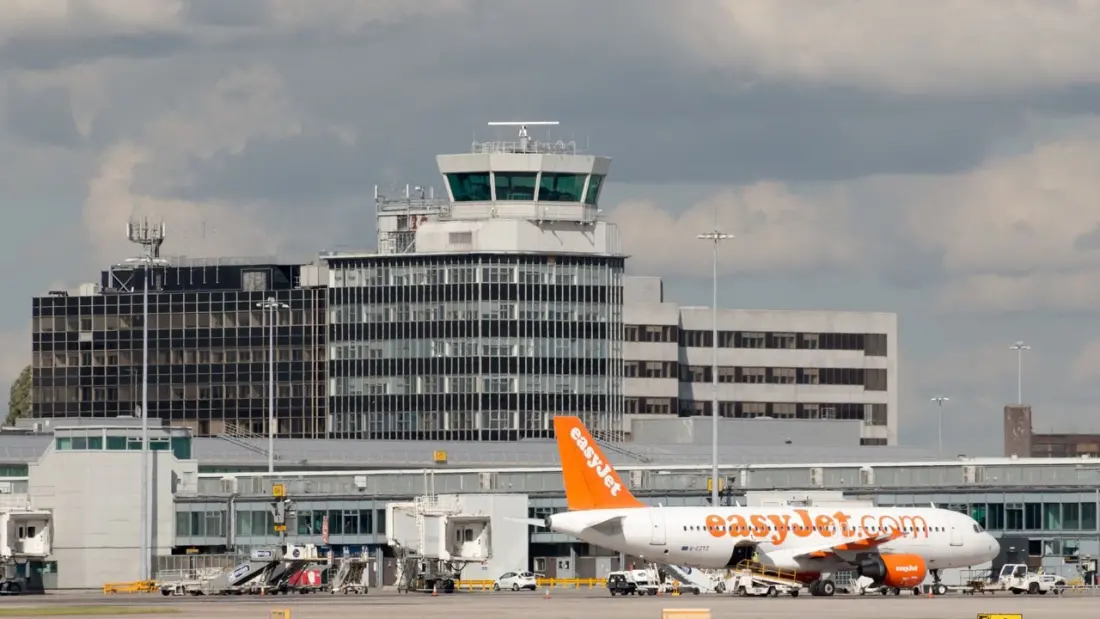
Air passengers across the UK are facing another day of disruption after a technical fault at National Air Traffic Services brought departures to a crawl. The problem, reported on Monday 21 September, stems from an engineering issue at NATS' Prestwick Centre in Scotland, the facility that handles a huge share of UK airspace traffic.
The knock-on effects spread quickly. Airports north of Manchester were hit first, but by mid-morning the disruption had reached the south of the country, with London City Airport among those grounding hundreds of flights. Manchester Airport put out a statement shortly before 10am telling passengers to watch for updates from their airlines, and London City followed a minute later with its own advice: check with your carrier before heading to the terminal, and note that staff are on hand in the terminal to help.
If that sounds familiar, it should. This is the second major NATS failure in a matter of weeks. The previous incident affected around 2,000 flights and prompted airline bosses to publicly call for NATS chief executive Martin Rolfe to resign. Early indications suggest the two failures are not connected, but the timing will do little to calm frayed nerves — either in departure lounges or in the industry, where confidence in the UK's air traffic infrastructure is visibly wearing thin.
For anyone flying today, the practical advice is straightforward: don't go to the airport on the assumption your flight is fine. Check your airline's app or website first, sign up for flight status notifications if the airline offers them, and know your options. Under UK rules, if your flight is cancelled or significantly delayed because of this kind of operational failure, airlines are generally required to rebook you on the next available service, and depending on the circumstances you may be entitled to meals or accommodation during long waits. Keep receipts for any food, transport or hotel costs in case you need to claim them back.
It's also worth checking whether a later flight — today, tomorrow or even with a different carrier — gets you where you need to go faster than waiting out a rolling schedule of delays. When an air traffic control fault hits early in the day, the disruption tends to cascade through the whole network, so even flights that do operate may run hours behind.
The bigger question for travellers is what this says about UK airspace management. Two high-profile failures in quick succession point to a system under real strain, whatever the technical cause of each individual outage. Anyone with flights booked in the coming days would be wise to keep an eye on the news and build some slack into their plans — tighter connections are the first thing to break when the airspace system hiccups.
If you're due to travel, act early rather than late: airlines' rebooking queues fill up fast after a nationwide disruption, and the people who request alternatives first tend to get the better options.