One year into the EU's biometric border experiment, the biggest name in UK travel says the rules need loosening for longer. Abta, the association representing British travel agents and tour operators, is calling for contingency measures around the entry/exit system (EES) to be extended into 2027 — a message delivered at its annual convention in Madeira by director of public affairs Luke Petherbridge.
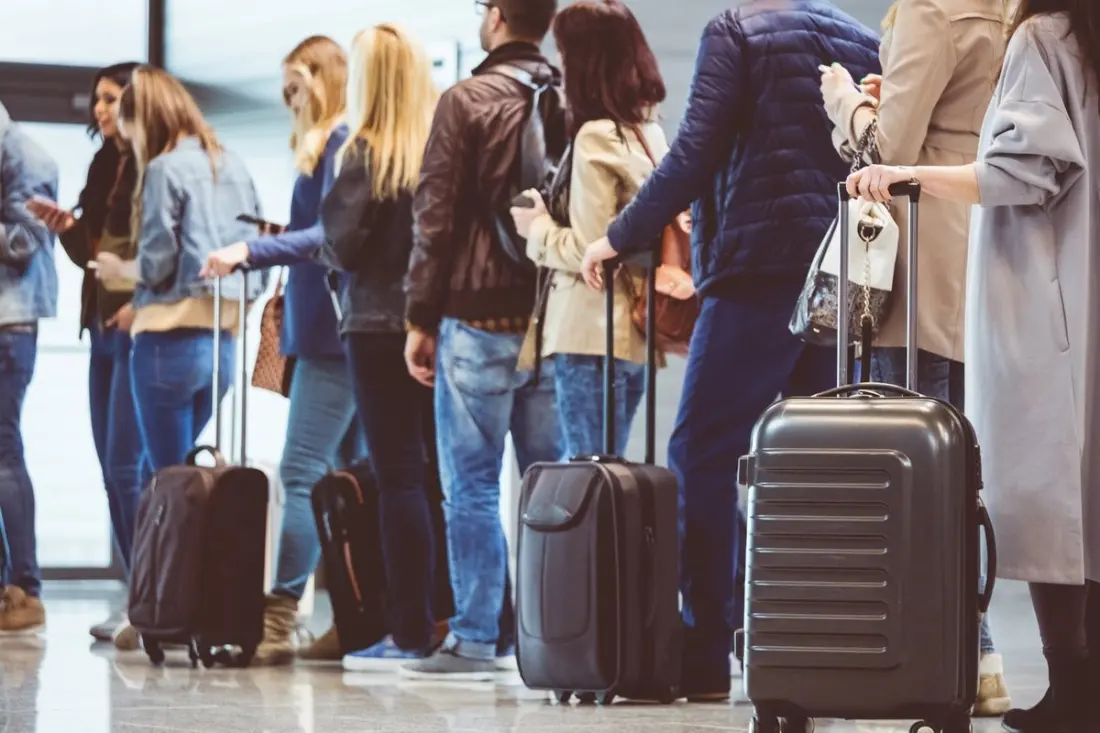
EES, which rolled out in phases over the past year, requires non-EU travellers to register fingerprints and a facial image on first entry to the Schengen Area. The summer proved rocky: some airports saw queues stretching to five hours, according to Airports Council International (ACI), which says waits still routinely top two hours and has demanded urgent operational change. Airlines including Ryanair have separately asked for the flexibility rule to be extended until early 2027. Under current rules, countries could temporarily suspend EES procedures to keep borders moving until September 2026, and Abta wants that safety valve carried into next year.
Here's the reassuring part for holidaymakers: the reality on the ground has been far calmer than the headlines. In Abta's holiday habits survey of more than 2,000 people, half of those who travelled to Europe reported EES queues of under 30 minutes, and 87 per cent spent less than an hour in line. Eight in ten said the system caused no knock-on problems for their trip at all. Only 6 per cent said EES had made them much less likely to visit the EU. Portuguese airports including Lisbon, Faro and Porto reportedly made use of the suspension option during the summer, and at least nine countries — France, Belgium, the Netherlands, Germany, Greece, Malta, Portugal, Italy and Switzerland — delayed full implementation past the early September deadline to maintain border fluidity.
There is friction within Europe, though. Frontex deputy executive director Uku Särekanno has said there was "no intention" to ease EES rules further after the summer. Abta's counterargument is that improvements must come first: better triaging of already-registered travellers, an upgraded app so some checks can happen before arrival, and legislation to keep the option of stepping down checks until the system is genuinely stable.
What does this mean for your next European trip? If you're a British traveller, you will still need to complete EES registration on your first Schengen entry, so build in extra time at the border — especially at busy hubs in peak season. The good news is that most recent travellers have found the process manageable, and there's a decent chance the softer approach continues while the kinks are worked out. Watch this space: how the Commission responds will shape queue times for years.
Reporting by The Independent Travel.