A late-night hop from Las Vegas to Newark turned into an emergency return on Saturday, October 24, after a flight attendant saw a passenger texting that he intended to hijack the aircraft.
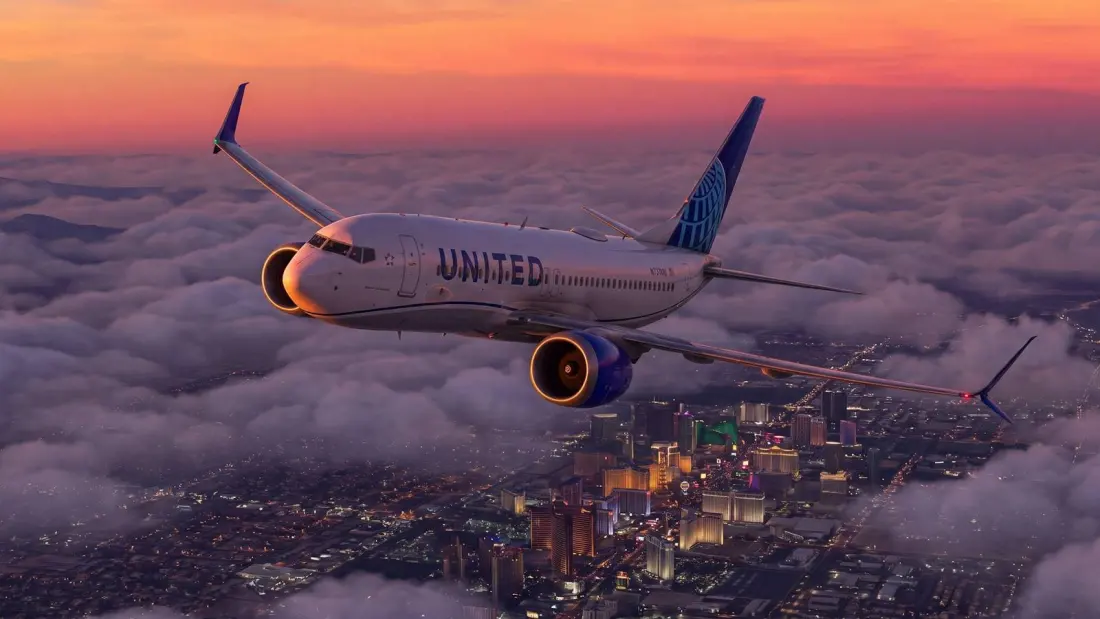
United flight 1681, a Boeing 737 MAX 8, left Harry Reid International Airport at 10:51 PM, running about 11 minutes behind schedule. The plane had only reached around 24,000 feet when the cabin crew noticed the message and told the captain. From that point the crew moved quietly: the cockpit door was locked down, and crucially the passenger was left in the dark about what had been seen. The pilot told air traffic control the man "doesn't know anything is going on", a deliberate choice so he wouldn't act before police could meet the plane.
The jet squawked 7700, the universal emergency code, and turned back over the Arizona ghost town of Oak Grove before circling to shed weight. That mattered because the aircraft was carrying roughly 24,800 pounds of fuel for the near six-hour transcontinental leg — well above its normal landing weight, and the 737 has no fuel-dumping capability. The crew flew slower to burn off as much as possible and warned controllers they might need the full length of Runway 26L. In the end the plane touched down safely at 11:42 PM, about 50 minutes after departure, where law enforcement boarded and spoke with the passenger, who reportedly still had no idea he'd been flagged.
The disruption carried on into the next day. With the crew out of legal duty hours, the flight was delayed overnight, and a replacement departure left Las Vegas at 7:03 AM Sunday, reaching Newark more than eight hours late. The aircraft involved, N17310, is a 2023-built MAX 8 in United's standard two-class layout with 166 seats.
Aftermath and who's investigating: the matter has been referred to United and the Las Vegas Metropolitan Police Department, and the FAA has opened an investigation. United has not issued a public comment.
Why should travellers care? Partly reassurance: the system worked exactly as designed, from the crew's fast reporting to the calm handling that kept the situation low-key until police arrived. It's also a reminder of how a single cabin crew observation can change a flight — and that transcontinental and long-haul legs, where planes are heavy with fuel, take extra care to bring back down. Anyone who was booked on that route that night got a rough ride through no fault of their own, which underlines how overnight crew timeouts, not just the emergency itself, drive the real delay.