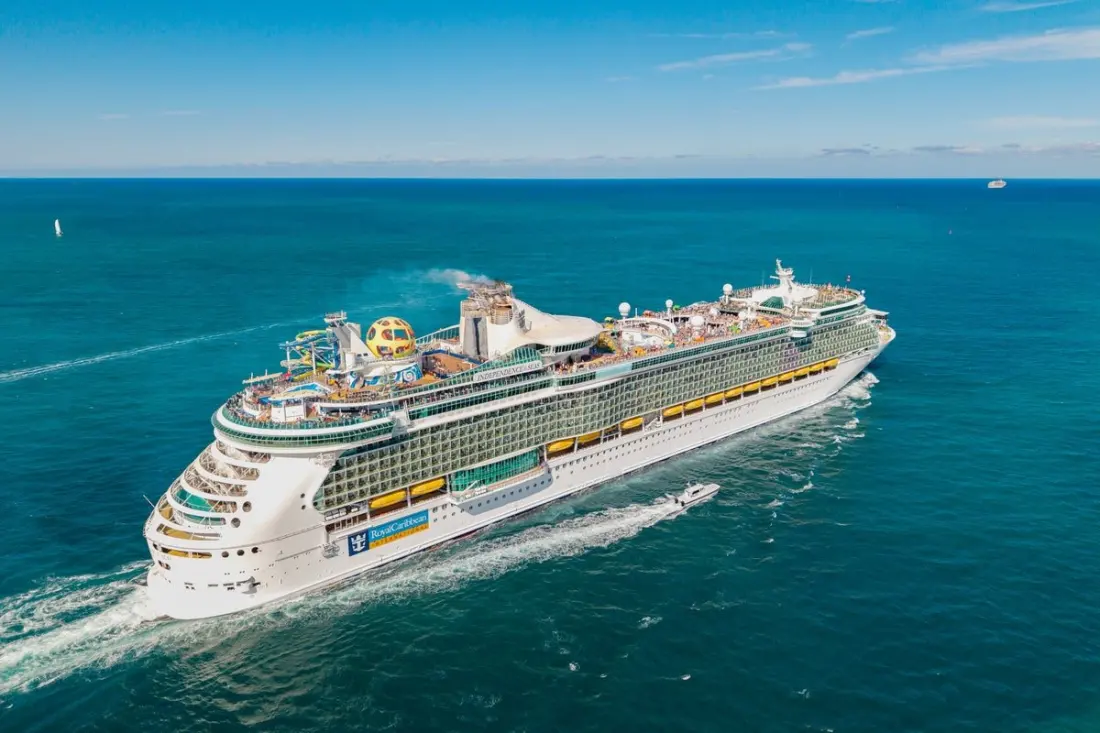
Passengers boarding Royal Caribbean's Oasis of the Seas in New Jersey on 18 October expected sun-soaked Caribbean islands. Instead, thanks to a storm brewing on the East Coast, the ship sailed north to Canada. The last-minute reroute — announced shortly before departure — prompted plenty of complaints on social media, and it's a useful case study in what happens when a cruise doesn't go to plan.
First, the reassurance: full itinerary overhauls like this are rare. More common is the single missed port. A Disney Cruise ship, for example, skipped a call at its private island Castaway Cay earlier this year due to wind, spent the day at sea instead and added an unscheduled stop in Nassau the following day. Inconvenient, especially at premium prices, but a sign of how lines try to work around disruption.
The decisions aren't made on a whim. Weather is tracked well before sailing and continuously throughout the voyage by teams both ashore and onboard, using multiple forecasting sources, with the captain holding final say. Entertainment, food and beverage and operations crews are trained to pivot fast, adding extra programming when ports drop off the schedule.
Here's the part that surprises most passengers: legally, you're entitled to almost nothing. The cruise contract you sign before sailing allows lines to skip or swap ports for weather or safety, generally with no obligation to compensate you. What you should ask for is a refund of port taxes and fees for any missed stops. Tours booked through the cruise line are typically refunded, but independently booked excursions fall under that operator's own cancellation policy — so a hot air balloon ride you arranged yourself in Cozumel may be lost money.
On the Oasis of the Seas, Royal Caribbean went beyond the minimum, offering refundable onboard credit, a 50 percent future cruise credit and refunds on shipbooked excursions. That's goodwill rather than duty — compensation varies widely by brand.
Your best protections are practical ones. Buy travel insurance before you sail; it won't always cover itinerary changes either, but it improves your odds of recovering costs. If a port is skipped, ask politely and in writing for a goodwill credit — some lines will grant one even when they're not required to. And shore excursions with flexible cancellation policies are worth seeking out when you book independently.
Ultimately, the money question only goes so far. You've paid for the holiday, the ship is still afloat, and the bars, shows and sea views work in any latitude. Complain constructively, claim what you're owed, then let the itinerary go.