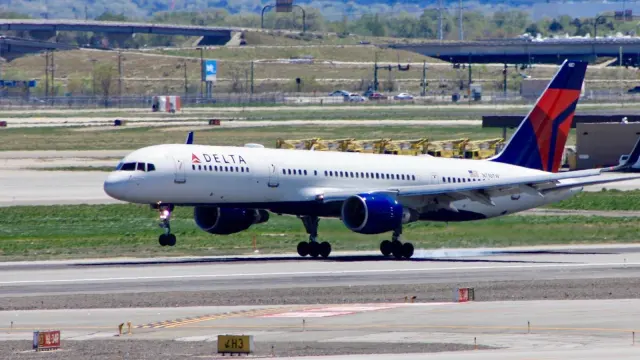
Anyone flying in or out of the United States on Friday ran into chaos of a kind rarely seen: the Federal Aviation Administration ordered every aircraft on the ground after a data overload knocked radar and communications systems unstable at air traffic control centres nationwide.
The grounding, which began shortly after 3:36 p.m. Eastern and was lifted at 8:15 p.m., lasted around four hours — the longest full shutdown of US airspace since the September 11 attacks in 2001. Transportation Secretary Sean Duffy said overloaded routers were feeding controllers inconsistent data, so officials shut the whole system down as a precaution. Radar and radio links were never fully lost, and controllers landed thousands of aircraft safely before the stop took hold.
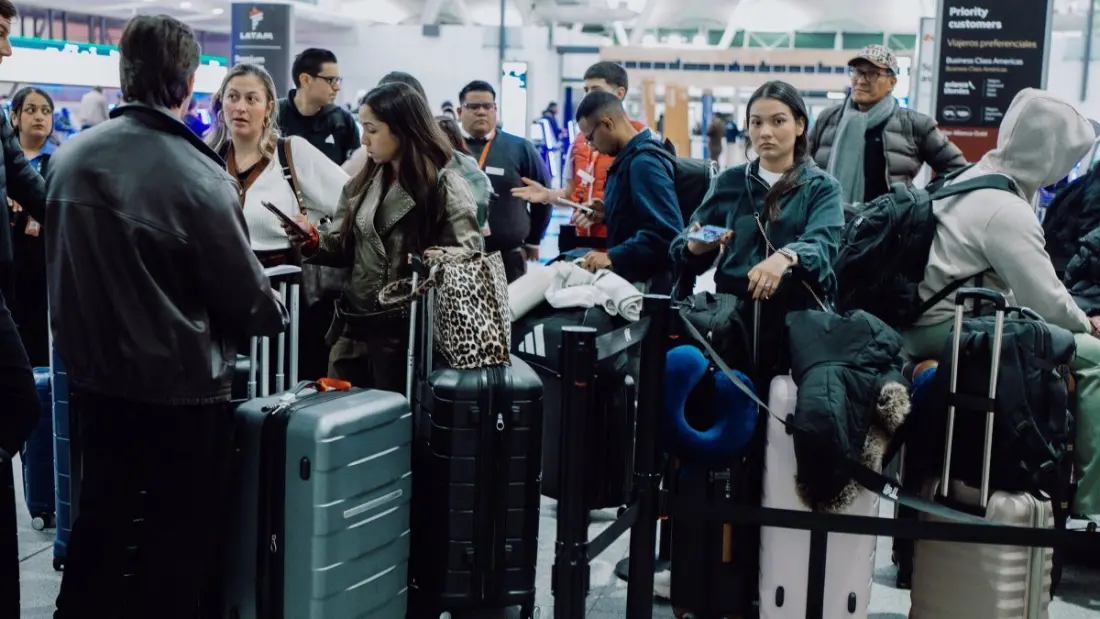
The fallout was enormous. Nearly 10,000 flights were cancelled by late Friday night, including more than 2,200 each at Delta and American Airlines and around 1,800 at United, according to Flightradar24. Some planes sat on the tarmac for over five hours waiting for a gate. Tens of thousands of passengers were stranded — some bedding down in terminals overnight, like a Pennsylvania traveller whose flight to Togo slipped from 9 p.m. to a 6 a.m. departure the next morning.
Analysts warned the ripple effects would drag on for days as airlines repositioned aircraft and crews. American said it was prioritising international routes and smaller cities outside its hubs to speed recovery. There's also a financial sting for passengers: because the failure sat with the FAA rather than the airlines, carriers are not required to pay compensation.
Officials said there was no evidence yet of a cyberattack, though investigators hadn't ruled one out, and the NSA joined the inquiry. The failure has reignited a political fight over America's ageing air traffic control system. Duffy demanded $50 billion to modernise it, on top of a $30.1 billion upgrade package the White House had already pitched to Congress hours before the outage. Officials pointed to a telecoms network run by L3Harris Technologies, which carries controller-pilot radio traffic, as a possible source of the problem.
If you have a US flight booked in the coming days, check your airline's alerts before heading to the airport and expect residual delays even on routes that look scheduled. And note the compensation caveat: for FAA-caused failures, rebooking is typically on the carrier, but cash payouts are not guaranteed under US rules.
Story first reported by Daily Sabah Travel.