Premium economy has quietly become the fastest-growing cabin choice in the sky. According to Going's 2026 State of Travel report, the share of travellers picking it jumped from 16% to 20% in a single year, and airlines from Emirates to Air France are expanding the cabin on aircraft they already fly. The catch: fares typically run 30% to 100% above regular economy, so it's worth knowing exactly what that premium buys.
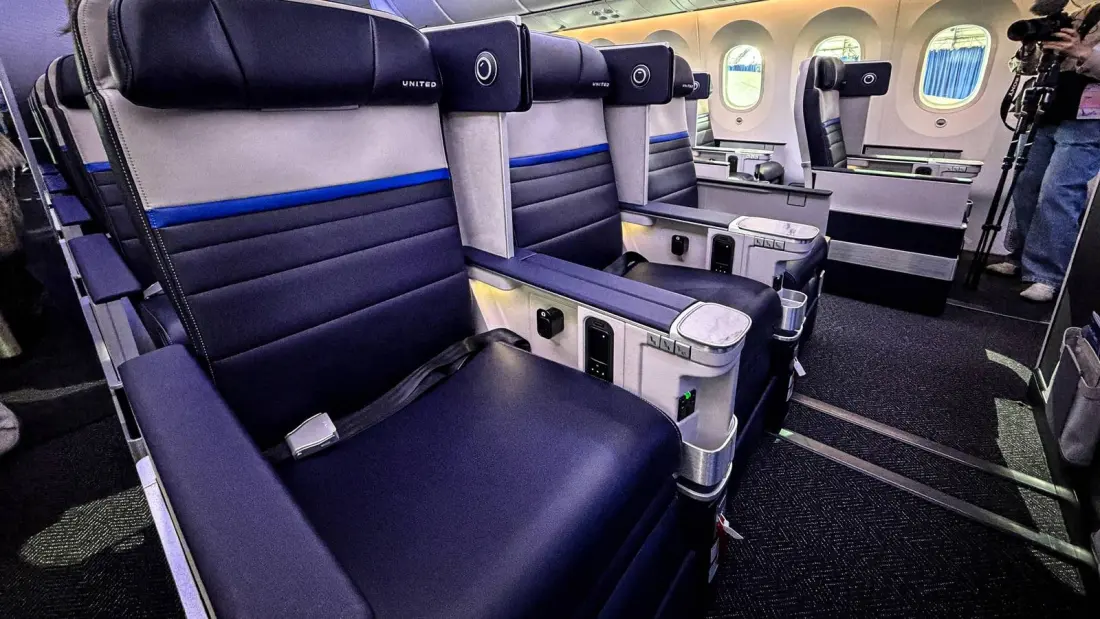
The headline upgrade is space. Where a standard long-haul economy seat offers roughly 30 to 32 inches of pitch, premium economy usually delivers 38 to 40 inches — seven to nine extra inches between you and the row in front. Seats are also wider (around 18.5 to 19.5 inches versus 17 to 18), recline further, and often come with adjustable headrests, calf rests and footrests. On an overnight flight of eight to 12 hours, that's a genuine difference, not a marketing gloss. Airlines vary, though: Lufthansa's new Allegris cabin offers 39 inches of pitch with a fixed-shell design so your recline doesn't annoy the person behind, while Emirates and Cathay Pacific go up to 40 inches.
The soft product improves too. Expect better meals, sometimes served on proper tableware, a wider drinks selection, amenity kits, noise-canceling headphones, larger entertainment screens and more power outlets. Many carriers add priority check-in and boarding plus a bigger checked baggage allowance. Lounge access, however, is usually not included, and budget versions of premium economy fares can carry reduced baggage perks — read the fine print before booking.
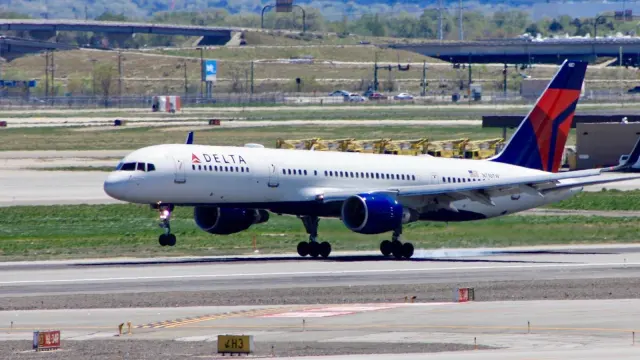
One trap to avoid: don't confuse premium economy with extra-legroom economy like United's Economy Plus. Those are the same seats with more room. True premium economy cabins — Delta Premium Select, United Premium Plus — are a separate cabin with a different product, though the seats still don't lie flat like business class.
On price, Simple Flying compared British Airways one-way fares on transatlantic routes from London Heathrow. Peak-summer premium economy averaged about €3,181 ($3,516) versus €9,587 ($10,596) in business class — a saving of nearly 67%. In off-peak February, premium economy averaged just €1,337 ($1,478), though the gap to business narrowed to around 36%. The lesson: timing matters enormously, and booking early can make the upgrade far more palatable.
Why the boom? Companies are trimming business class spend, while post-pandemic leisure travellers paying their own way increasingly treat comfort as the thing worth splurging on — 59% of those surveyed said they'd spend more on premium seating in 2026. Airlines love it because premium seats take up far less space than lie-flat beds but command much higher fares. Delta's premium revenue ($6.92 billion) actually overtook its Main Cabin revenue in the second quarter of 2026, and Cathay Pacific and Air France have both boosted premium economy capacity on retrofitted Boeing 777-300ERs by 41% to 100%.
For anyone facing a long-haul flight they'd rather not endure in a 31-inch seat, premium economy is now a credible middle path — if you book at the right time and check exactly what your fare includes.