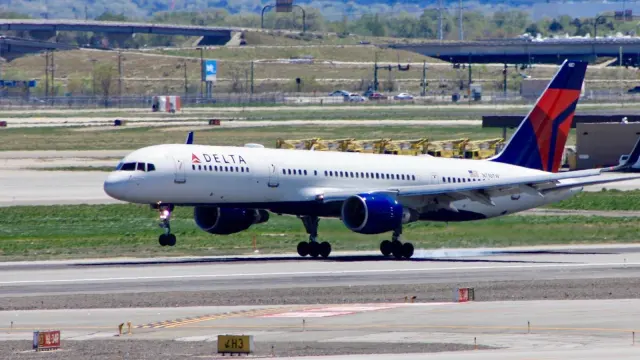
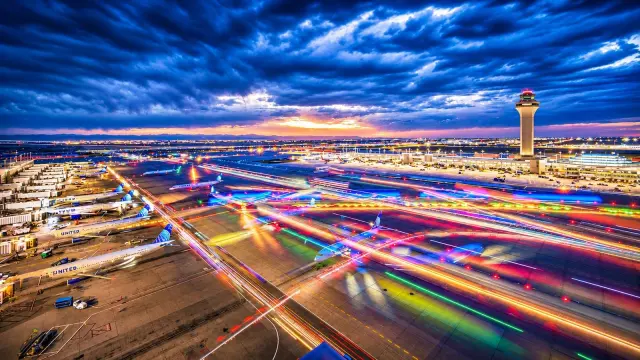
Every plane in the United States was briefly ordered to stop on Friday, after the Federal Aviation Administration issued a nationwide ground stop around 4pm Eastern Time. Flights already airborne — roughly 3,000 aircraft were up when the order landed — were permitted to continue to their destinations, but almost nothing else was allowed to depart. The stop was lifted around 8:30pm, yet the knock-on delays and cancellations stretched well into the weekend.
So what actually went wrong? Transportation Secretary Sean Duffy pointed to the country's ageing air traffic control system becoming "overloaded with data" following communications problems at regional control centres. Officials were quick to rule out a cyberattack, but the episode reignited familiar questions about the fragility of US aviation infrastructure. Duffy also cautioned that it would take time to restore normal operations even after the order was lifted.
The human cost played out in departure halls from Boston to Seattle and New York to Los Angeles. Thousands of passengers faced sleeping on airport floors: Edward Kargbo from West Chester, Pennsylvania, was due to fly to Lomé, Togo, on Ethiopian Airlines and ended up planning an overnight wait for a 6am rebooking. British travellers were caught too — Louise Maher was stranded at Newark when her British Airways flight to London fell through, and Heathrow saw cancellations on routes to Dallas Fort Worth, Charlotte, Houston and New York the following morning. Manchester Airport expected no significant Saturday delays, and Gatwick's impact was thought to be minimal.
Airlines and other travel companies scrambled to respond. British Airways told customers most flights were operating as normal and advised people to travel to the airport as planned unless contacted otherwise. JetBlue warned passengers to expect disruption and further cancellations into Saturday, pointing travellers to fee waivers and rebooking options online. Meanwhile, Hertz reported a spike in one-way car rental requests from people simply giving up on flying.
For anyone travelling to, from or within the US in the days after an event like this, a few basics apply. Sign up for your airline's app notifications before you fly, and check your rebooking and refund rights — in the US, carriers owe you a refund if they cancel and you choose not to travel, though they're not required to cover hotels or meals during systemic disruptions. If your flight is axed and you're mid-trip, weigh alternatives early: trains and rental cars go fast when thousands of people are in the same boat, as the Hertz surge showed. And keep expectations realistic in the aftermath — recovery from a nationwide stop takes days, not hours, as the ripple of Saturday cancellations demonstrated.