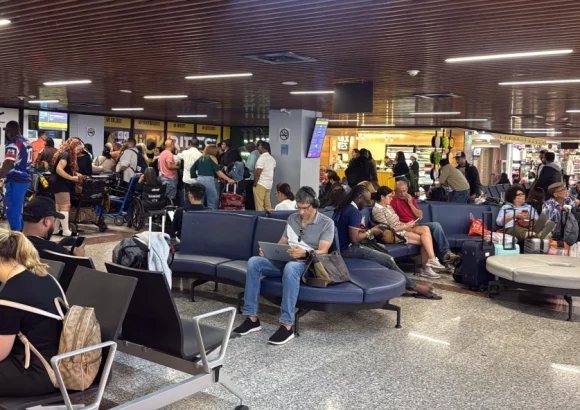
Travellers at Las Américas International Airport near Santo Domingo found themselves stuck on the wrong side of the Caribbean after the United States ordered a nationwide suspension of flights, halting departures and arrivals between the two countries and leaving dozens of itineraries in limbo.
The affected passengers, many of them heading to US cities, described long waits and repeated delays with no clear timeline for getting airborne. One stranded traveller, Lisa Corporán, told the newspaper Hoy that her Boston flight — scheduled for 5:30pm — slipped to six, then eight, then nine, before finally being pushed to 4am. She also raised a fair question for anyone caught in the mess: what compensation, hotel rooms or rebooking support were airlines and the airport actually offering to foreigners stuck far from home?
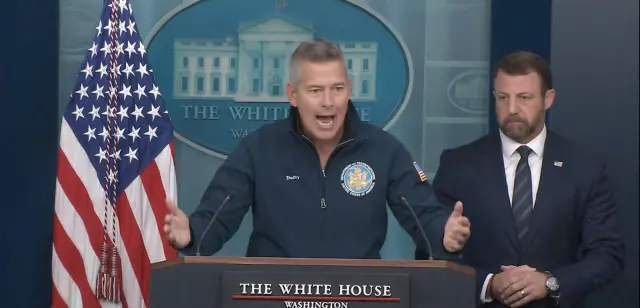
US officials moved quickly to calm fears about the cause. Homeland Security Secretary Markwayne Mullin told reporters at the White House that the nationwide takeoff ban stemmed from "a disruption in telecommunications", not an attack of any kind. He explicitly pushed back on comparisons to 11 September 2001 — the last time US airspace shut down nationwide — urging the public not to worry about friends and family and stressing that the two events were entirely different.
For holidaymakers, the episode is a reminder of how tightly Caribbean travel is wired into the US system. Las Américas is one of the busiest gateways in the region, with heavy daily traffic to New York, Miami, Boston and other US hubs. When the US halts flights, the ripple effects land immediately on Dominican tarmacs, and returning travellers — not just outbound tourists — bear the brunt. Anyone flying the DR–US route should keep an eye on airline notifications, expect knock-on delays even after flights resume as backlogged aircraft and crews reposition, and know their rights on rebooking, meals and accommodation when the disruption originates with the carrier or a government order.
The practical lesson: build buffer days around trips that connect through the US, and if you're mid-trip when a grounding hits, contact your airline's international desk early — queues at airport counters move slowly during mass disruptions.