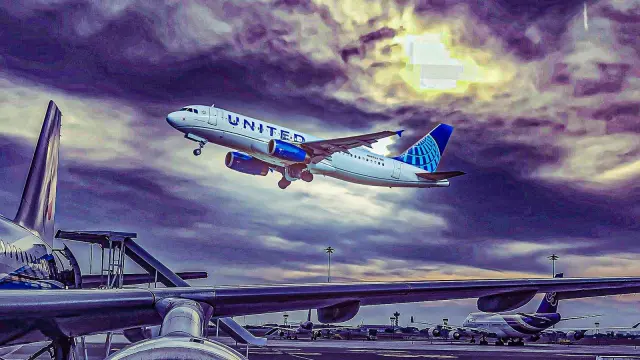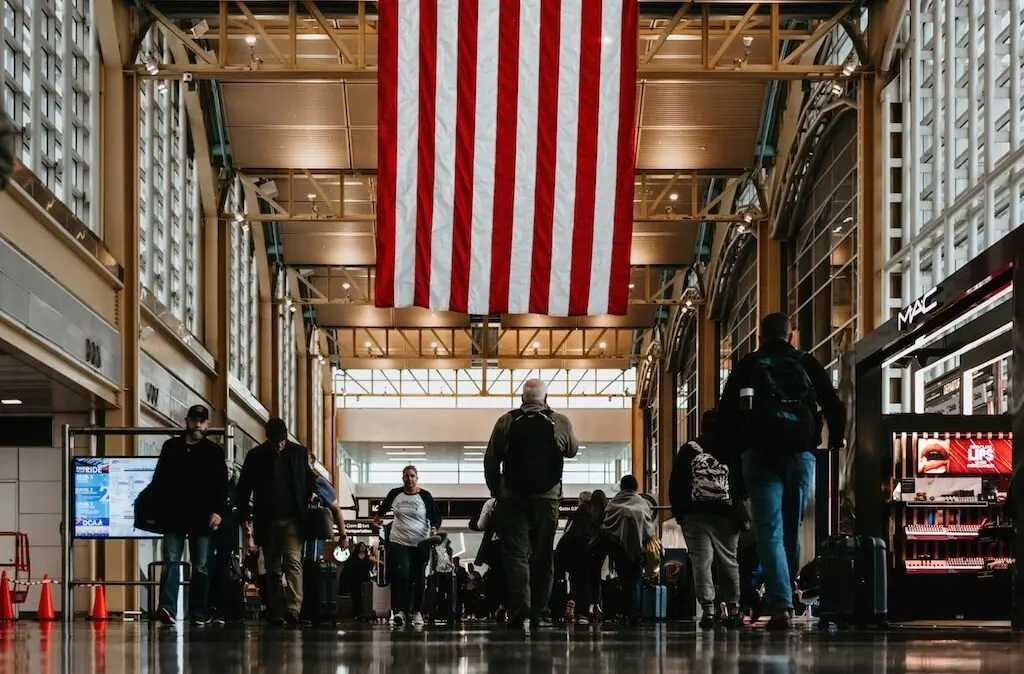
International visitor numbers to the United States have been sliding for nearly two years, and everyone in travel is asking whether November's mid-term elections might turn things around. The numbers are stark: 68 million overseas and international visitors came to the US in 2025 against 72 million the year before — four million fewer — and tourist spending dropped by $8 billion. Figures from the National Travel and Tourism Office show visits from outside North America down 5.7% year-on-year to September 2026, with Western Europe, the US's most valuable overseas market, down 8.7%.
Commentators have labelled the downturn the "Trump Slump", tying it to the president's second-term border policies, tariffs and a perceived hostility towards foreigners. Several governments have issued travel advisories, national park entry fees have risen, and heightened border scrutiny has made the US a harder sell abroad. The US Travel Association has warned about the knock-on effects for jobs.
There's money at stake on the promotion side too. The bipartisan VISIT USA Act would route $160 million to Brand USA, the country's destination marketing body, which saw its funding cut by 80% and staffing cut by 15% under 2025's One Big Beautiful Bill. The bill has stalled partly because Senator Ted Cruz, who chairs the Senate committee responsible, has historically opposed government-backed tourism programmes. A shift in committee make-up after the midterms could revive it — or kill it.
Domestic demand is also wobbling. A July survey found half of Americans are delaying big spending decisions because of household financial pressure, and 26% are specifically putting off travel. Fuel costs are a big part of that: since the US-Israel conflict with Iran began, diesel has climbed over a third year-on-year, sitting around $6.35 a gallon in early November despite a claimed opening of Russian diesel supply. Analysts suggest the real lever is the war's end and the reopening of the Strait of Hormuz rather than Russian barrels — meaning any voter pressure on Middle East policy could matter more to pump prices than the election result itself.
Polls give Democrats a strong shot at taking the House (estimates of 78-91%) and a decent one at the Senate (57-69%), and 57.2% of Americans told YouGov they disapprove of Republican positions. A change in Washington could lift consumer confidence and, in theory, travel bookings. But there's a timing catch: the vote lands just before Thanksgiving and Christmas, when family plans are already locked in. Any post-election surge in sentiment is unlikely to show up in bookings immediately.
For travellers, the practical read is this: don't expect airfares or road-trip costs to fall overnight whatever happens at the ballot box. Fares respond to capacity, competition and booking lead times as much as politics. If you're eyeing a US trip, current soft demand from international visitors could actually work in your favour on hotel rates, but fuel-driven costs may stay elevated until the Middle East situation eases. The midterm effect on travel, if it comes, will show up over months, not weeks.