
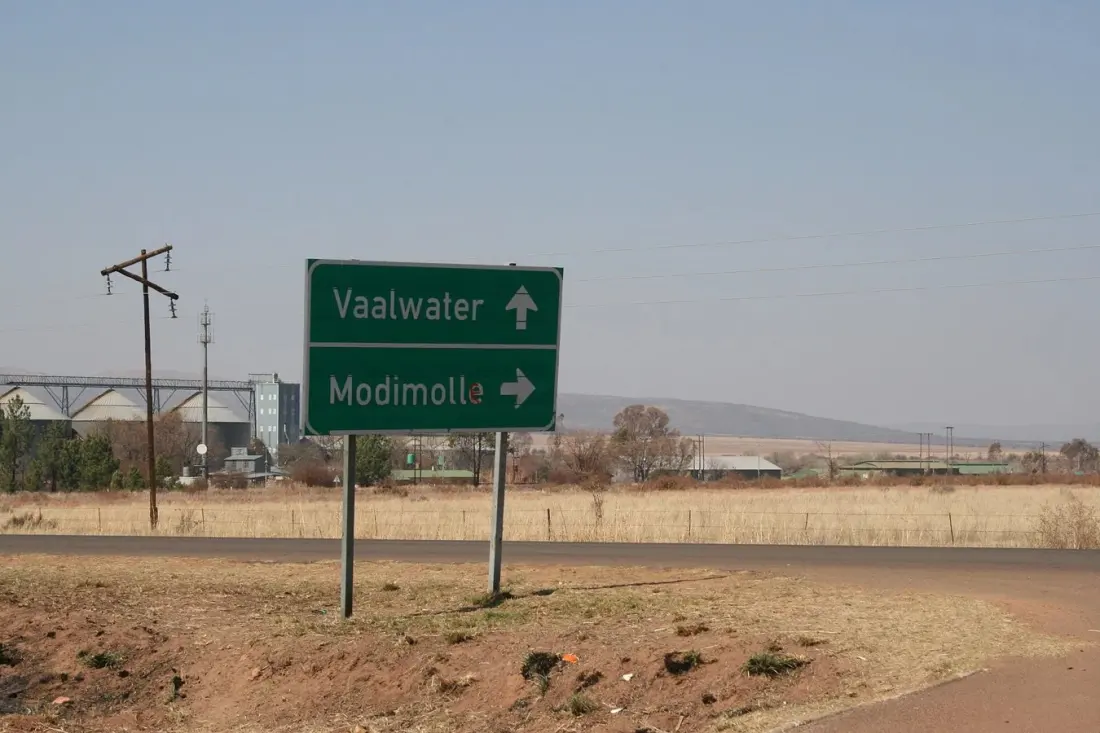
Most travellers blow through Vaalwater without a second glance. It's a small town on the R517 in South Africa's Limpopo province, sitting between Modimolle and Lephalale, and for many people it's simply where you refuel and grab a meal before pushing on to a safari lodge. But look closer and this dusty roadside stop turns out to be the service hub of one of the country's most important conservation landscapes.
Vaalwater sits right in the middle of the Waterberg Biosphere Reserve, a UNESCO-designated area since 2001 covering roughly 654,033 hectares of low mountain ranges, escarpments and savanna. UNESCO also flags the region as a vital water reservoir in an otherwise dry corner of Limpopo. Unlike a national park, a biosphere reserve is built on coexistence: core conservation zones, buffer areas, and transition zones where people actually live, farm and work.
That mix is relatively recent. Well into the 20th century, the Waterberg was cattle and crop country — the sandy soils along the Mokolo River even made Vaalwater one of South Africa's major tobacco-growing regions. From the 1980s, landowners began converting farmland into game ranches and private reserves, driven by both conservation ideals and the commercial pull of wildlife tourism. The result is everywhere around the town today: former agricultural properties folded into some of Limpopo's best-known safari landscapes.
Two names stand out. Lapalala Wilderness began in 1981 when businessman Dale Parker and conservationist-artist Clive Walker set out to create a true wilderness area, gradually assembling neighbouring properties. It now runs major programmes protecting rhino, cheetahs, African wild dogs, pangolins and predators more broadly. Nearby, Welgevonden Game Reserve was formed in 1993 by consolidating private farms and dropping internal fences, creating a contiguous 37,000-hectare wildlife area. Together with Marakele National Park, these reserves anchor the wider Waterberg conservation economy — and Vaalwater quietly keeps it all running, supplying the lodges, reserves and communities around it.
There's a less comfortable side to the story, too. Research around Vaalwater has shown that while game farms draw on the region's water resources, residents of the town and neighbouring communities have faced water shortages. It's a reminder that conservation destinations are working landscapes, and the benefits don't automatically flow to everyone who lives there.
For travellers, the takeaway is simple: Vaalwater is worth more than a rushed fuel stop. Stock up here before heading into the reserves, and appreciate that the town is part of the ecosystem you're paying to visit — in every sense. If you're booked into a Waterberg lodge, passing through Vaalwater is your reality check on how tightly tourism, farming and everyday life are woven together in this part of South Africa.
Story via Getaway South Africa