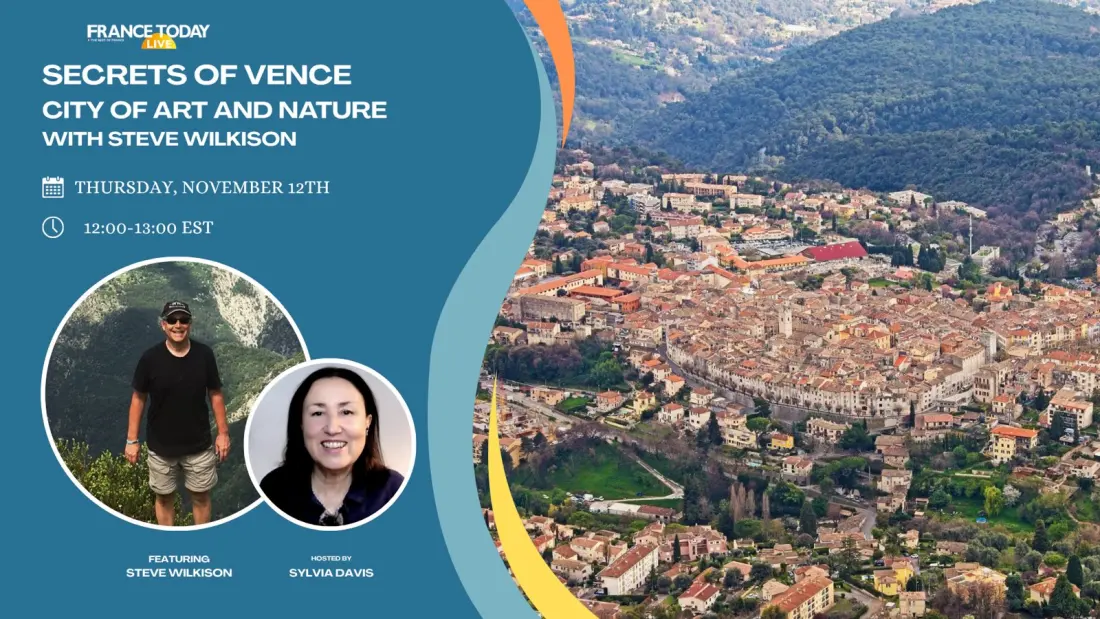
Ask most people to name the art capitals of the French Riviera and they'll say Nice, Cannes or maybe Antibes. Few will mention Vence — which is exactly why this modest hilltop town behind the coast deserves a spot on your list.
Vence sits a short drive inland from Nice, perched above the sea with the kind of light that made 20th-century painters weak at the knees. Henri Matisse moved here in 1943 and stayed, on and off, until his death in 1954. It was in Vence that he designed and decorated the Rosary Chapel (Chapelle du Rosaire), completed in 1951 — a building he considered the masterpiece of his entire career, stained glass and murals and all. Marc Chagall also settled in the area, and the town's pull on artists went well beyond those two big names; for decades it functioned as a genuine creative colony rather than a pretty backdrop.
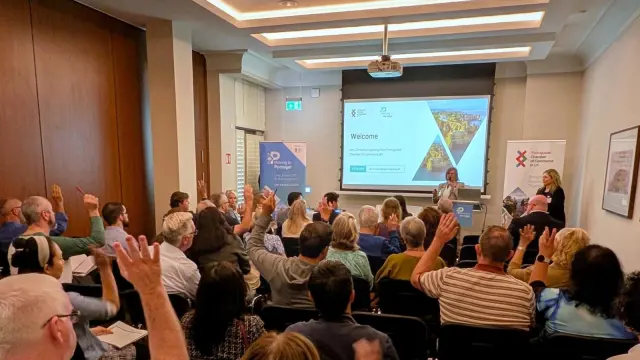
The renewed interest comes courtesy of an online talk hosted by France Today, led by travel writer and local guide Steve Wilkinson, exploring why this small town became one of the century's most magnetic creative hubs — packed with anecdotes, travel tips and the backstories of who came and why. It's a reminder that Vence rewards a bit of context: the old town's medieval lanes, the squares shaded by plane trees, and the surrounding countryside all make more sense once you know the art history stitched into them.
One detail worth planning around even if you skip the talk: the Matisse chapel is a short walk from the centre and visits are timed and ticketed, so book ahead. Art lovers can also pair Vence with the Fondation Maeght in neighbouring Saint-Paul-de-Vence, one of Europe's great modern art museums, barely ten minutes away by car. Between the two, you get a dense hit of 20th-century art in some of the prettiest hill country in France.
Why does this matter to a traveller? Because Vence offers what the coastal resorts often can't: a working Provençal town with real residents, a weekly market, sensible prices and easy access to both the Mediterranean and the hill villages of the back country. You can swim in the morning and stand in front of Matisse's stained glass in the afternoon. If your Riviera trip usually means fighting for beach space in Nice, this is the quieter alternative — one that happens to have an outsized place in art history.