A trio of long-distance hikers, back together after a wrist injury forced them apart, got a fresh reminder this week of why Vermont's Long Trail has a reputation for stubborn difficulty. On day 37 of their trek, the group shuttled from Plot Road to resume their route north, tackling a 7.4-mile stretch to Corless Camp that packed in 2,388 feet of ascent — a gradient steeper than 570 feet per mile — and tested their recovery from weeks off the trail.
The morning started with logistics familiar to anyone hiking the 272-mile trail in sections: a 9:30 am shuttle, an hour-long drive to drop a car at the next zone, and another hour back to the trailhead. They were walking by 11 am, grateful for the extra two miles logged the previous day to reach the road crossing.
The first miles passed easily through a working sugarbush, where modern maple syrup operations run elaborate networks of elevated tubing down the hillsides — feeder lines from each tree feeding main lines, a far cry from the old bucket-on-the-trunk image. Then came Codding Hollow, the road crossing that signalled the day's real work: Laraway Mountain.
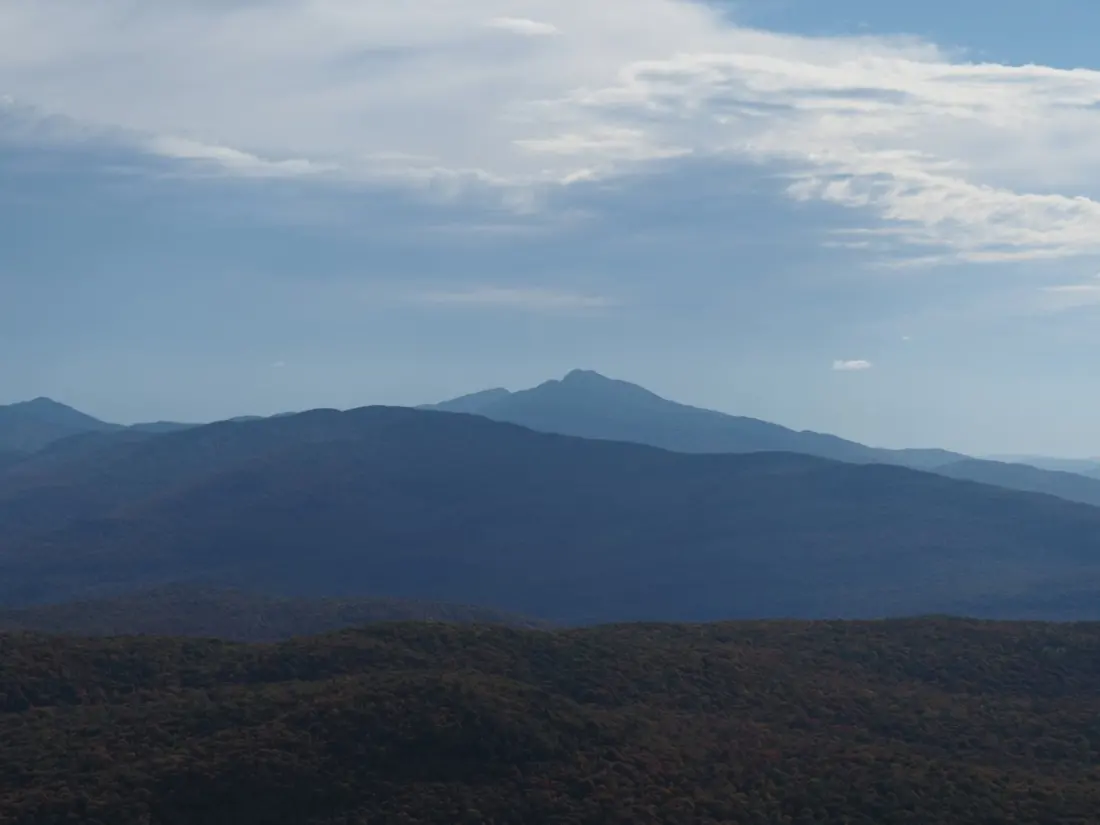
Laraway's climb runs nearly three miles and gains over 1,700 feet in three distinct phases — a steep dirt pitch at grades above 20 percent, a stretch alongside glacially deposited boulders, and a final push over loose rock tailings. For two hikers returning from injuries with doctor-approved clearance but no real trail time in two weeks, it was the first genuine test of the trip. The ridgetop overlook delivered the payoff, followed by a deceptively slow two-mile descent to camp over hidden rocks, bog bridges and a ridgetop that seemed to stretch on forever.
The night brought its own micro-challenge. The shelter's wooden platforms are built for narrow mummy-shaped pads, and a 25-inch pad left a third of its width hanging off the edge. The improvised fix — a movable bench slid under the pad's edge — was typical Long Trail problem-solving.
Why does this matter to travellers? The Long Trail is the oldest long-distance trail in the United States, running the length of Vermont from Massachusetts to Canada, and it routinely surprises people who assume the Appalachian Trail's older, shorter cousin will be gentler. It isn't. The trail's relentless grades, rock and mud demand more per mile than most hikers expect, which makes it a serious option for fit walkers but a shock for casual ones. Day hikes to overlooks like Laraway's offer a taste of the challenge — and the views — without the 37-day commitment. Fall is a spectacular but tricky window: leaf cover hides trail hazards, as this crew discovered on their descent.