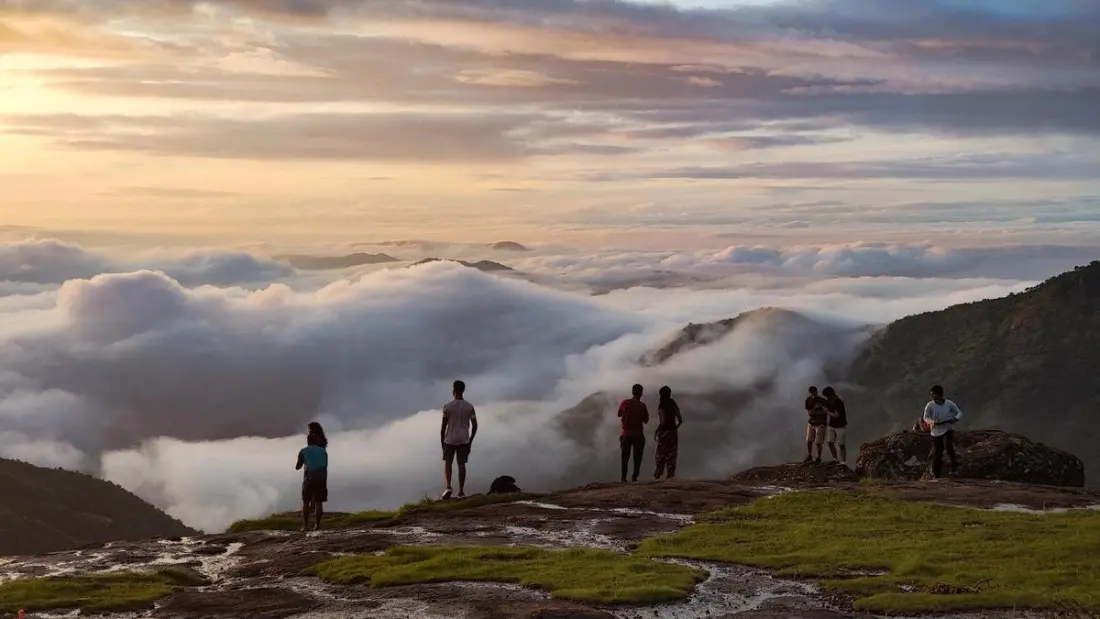
A slow-tourism scene is taking shape around Visakhapatnam, where the Eastern Ghats meet the Bay of Bengal. Four local operators are proving that a trip here can be about noticing things — tidepools, soil-plastered walls, hill trails — rather than ticking off sights.
Start inland at Pravaham, an eco-stay in Mettavalasa village near Araku. Roughly 90% of its construction uses local soil, hay, timber and bamboo, with mud, cob and lime plaster keeping rooms naturally cool. Food, staff and experiences come from neighbouring villages, and the pace is deliberately unhurried: guests can wade in the stream, join a 'Plant a Memory' activity or try the Black Box digital detox programme instead of a packed itinerary. Composting, minimal plastic and shared transport are part of the routine.
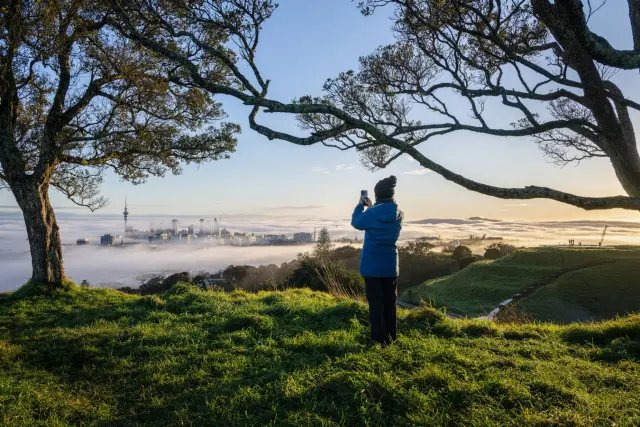
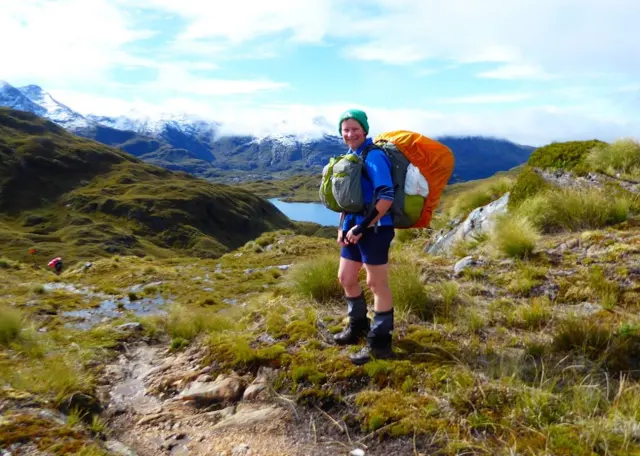
Back in the hills, EcoHikes has run more than 600 treks with over 8,000 participants in nine years — and has cut group sizes from 30 to around 12. Camps cook with gas rather than gathered firewood, serve meals on banana or Bauhinia leaves, and ask everyone to carry their rubbish out. Trek leader Ravi Teja is candid about social media's downside: a single viral reel can swamp a fragile trail, so the outfit has closed some routes entirely and works closely with local families who supply food and know the terrain best.
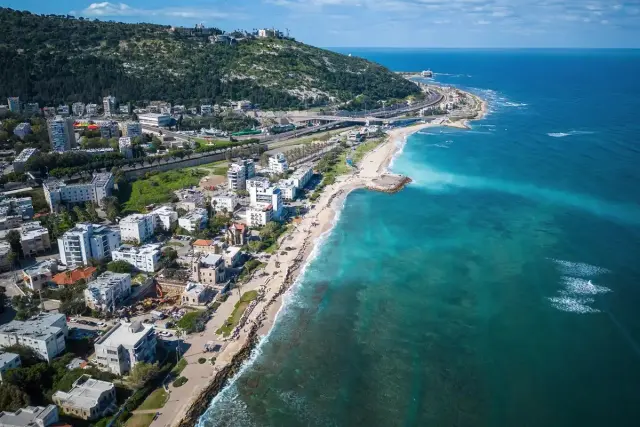
On the coast, the East Coast Conservation Team runs tidepool walks that turn a familiar beach into something else altogether — these rocky pools hold algae, corals, fish and crustaceans that survive daily cycles of exposure and immersion. Groups are capped at eight per instructor, touching animals is off-limits, and participants are nudged to log their sightings on iNaturalist as citizen science. Co-founder Priyanka Vedula's pitch is simple: fascination leads to protection, and well-managed marine tourism can support coastal communities.
For a closer look beneath the surface, Platypus Escapes combines recreational scuba with conservation dives and underwater clean-ups along the Visakhapatnam coast, where plastic waste has become an everyday sight on the seabed. Founder Subhash Chandran is upfront that diving isn't impact-free — boats and gear all count — so the emphasis is on good buoyancy, keeping distance from marine life, avoiding coral contact and leaving habitats as you found them.
Who is this for? Travellers bored of checklist tourism who'd rather spend a weekend learning how a tidepool works than queueing for a viewpoint. Visakhapatnam is reachable by rail and air, Araku makes an easy hill extension, and none of these experiences require specialist skills — just patience and a willingness to go slow.