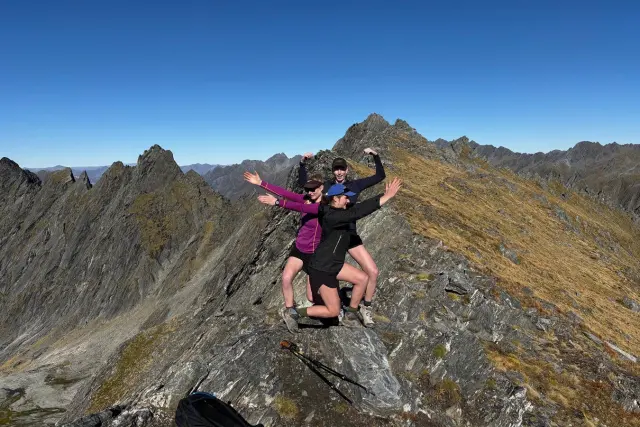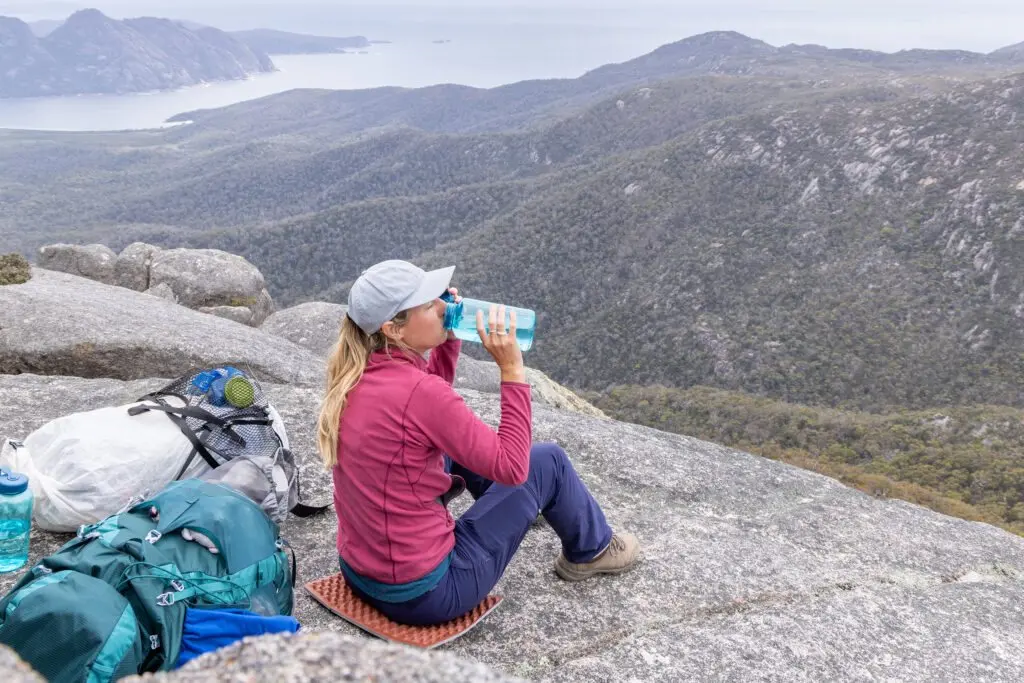
Anyone who has laid out their kit the night before a hike knows the ritual: weigh everything, second-guess everything, then lie awake wondering if the extra socks are worth 90 grams. A New Zealand mountain guide has shared the items they always carry — gear chosen on a simple rule: maximum usefulness per gram.
The core lesson isn't a shopping list. It's that multi-use items beat single-purpose ones. A garment or tool that serves two or three jobs effectively costs you nothing, because it replaces something else in your pack. That's the difference between a comfortable tramp and a shoulder-aching slog.
The guide's picks lean heavily on things with double duty. Think clothing layers that work on the summit and around camp, gear that pulls double roles in emergencies, and small comforts that don't deserve their reputation as frivolous weight. The packing debate at the heart of it all is familiar to anyone who's ever weighed camp booties against extra chocolate or a pack of cards — and the answer, from someone who spends their working life in the hills, is that a few well-chosen comforts are worth carrying if they do more than one job.
For travellers, this is useful thinking well beyond the mountains. If you're flying long-haul, hopping between hostels, or doing a multi-day hike anywhere from the Southern Alps to the Dolomites, the same arithmetic applies: every item should justify its space. Ask what else the thing can do, and cut anything whose answer is just one job.
Who is this for? Anyone assembling a packing list for a trip involving walking, camping, or unpredictable weather — which in New Zealand means almost every trip. You don't need to hire a guide to benefit from how they think; the mindset of value-per-gram is free and applies just as much to a two-week backpacking itinerary as it does to a summit push.
Full details of the five specific items are in the original piece from Wilderness Magazine NZ.