A scotch for 50 cents. Communal bathrooms. A quad-share bunk shared with three total strangers. Those are the memories Cruise Passenger readers are sharing in a nostalgic look back at what cruising was actually like half a century ago — and it's a world away from today's balcony cabins and high-speed wifi.
The debate kicked off in the site's reader column, where longtime cruisers questioned whether modern cruising has 'gone soft'. The short answer from those who were there: yes, ships have traded glamour and hardship for comfort, but that's also made the whole thing affordable and accessible to far more people.
Gail Dodds recalled cruising with her mother in the 1970s, when budget travellers booked quad-share cabins and cruise lines simply assigned you bunkmates — women with women, men with men, four strangers sharing one tiny bathroom, often with no porthole at all. The upsides were real too: nightly formal dinners, midnight buffets with ice sculptures, and equator-crossing ceremonies. Her most vivid memory comes from Bali, where local vendors paddled out in kayaks loaded with carvings, tossing a line up to the ship so passengers could haul a net up, haggle over a price and send the cash back down. She still owns the carving her mother bought that day.
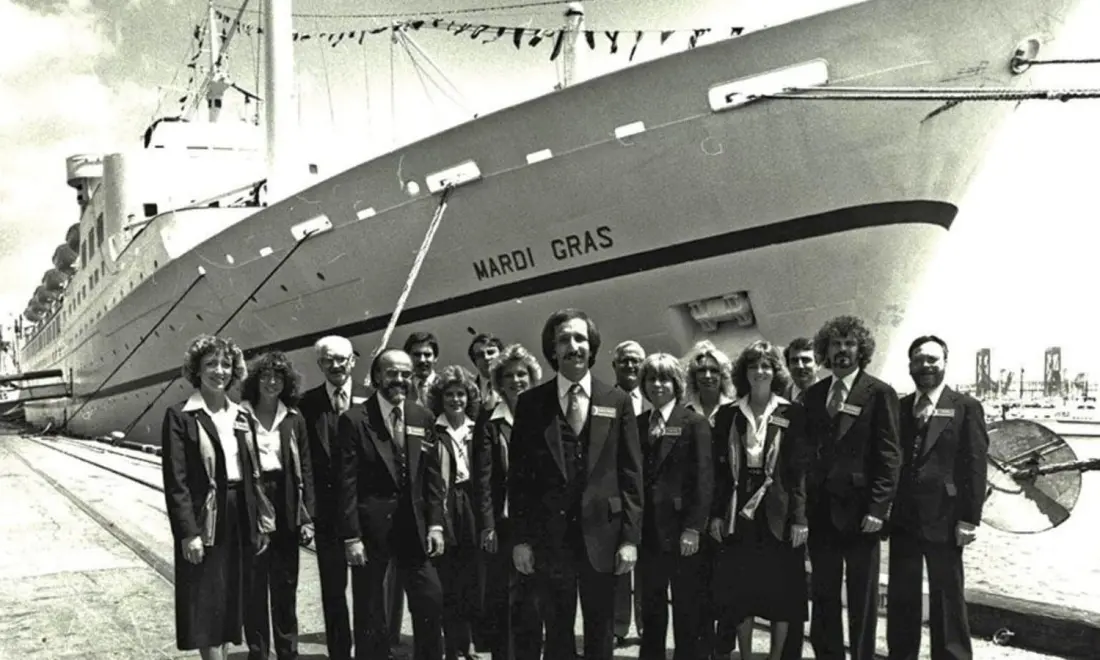
Kerry Lee's first cruise was in 1987 on the Sitmar Fairstar, when fares even included flights for Australians who didn't live near the Sydney departure port. The cheapest cabins had no ensuites — just shared bathrooms down the corridor and, as she remembers it, no carpet anywhere. What she misses most is the ticker-tape send-off from the port, which she says made boarding a ship feel like a genuine occasion.
Barbara Briguglio, who sailed on three P&O cruises in the early-to-mid 70s plus the Soviet ship Fedor later that decade, remembers a perk that sounds absurd today: all drinks on board were duty free. She also recalls a time when friends and family could simply walk on board before departure and have drinks with passengers — something security rules made impossible decades later.
Others push back harder on modern comforts. Mark Hopper says passengers have 'gone soft', lamenting the shift from converted ocean liners with a single round porthole, if you were lucky, to what he calls floating apartment blocks with must-have balconies.
Glenda Williams might have the warmest memory of all: an 18-night voyage in 1976 on the Shota Rustaveli with her two young children, aged six and nine. There were just 760 passengers on board, drinks cost 50 cents, the food was simple but good, and there was a kids club plus evening babysitting so parents could enjoy their nights. Despite later sailing with Royal Caribbean, the family still calls it their best cruise.
For travellers, the takeaway is a mix of perspective and nostalgia. Today's ships — with private bathrooms, internet, charging ports and endless entertainment — would look like luxury to anyone who sailed in the 70s. If you find the old style appealing, small-ship and expedition lines, plus heritage vessels, offer a closer approximation today, though you'll pay a premium for the intimacy. Otherwise, the mainstream mega-ships have quietly delivered what those quad-share cabins never could: a cabin to yourself, a window, and a drink that isn't a bargain but also isn't rationed. Credit: Cruise Passenger.