Upgrading to business class feels great until you check the price. On some airlines, though, premium economy gets you so close to the front-cabin experience that paying triple or quadruple the fare barely makes sense. A recent analysis points to five carriers where the smart money often stays in the bigger-but-not-flat seat.
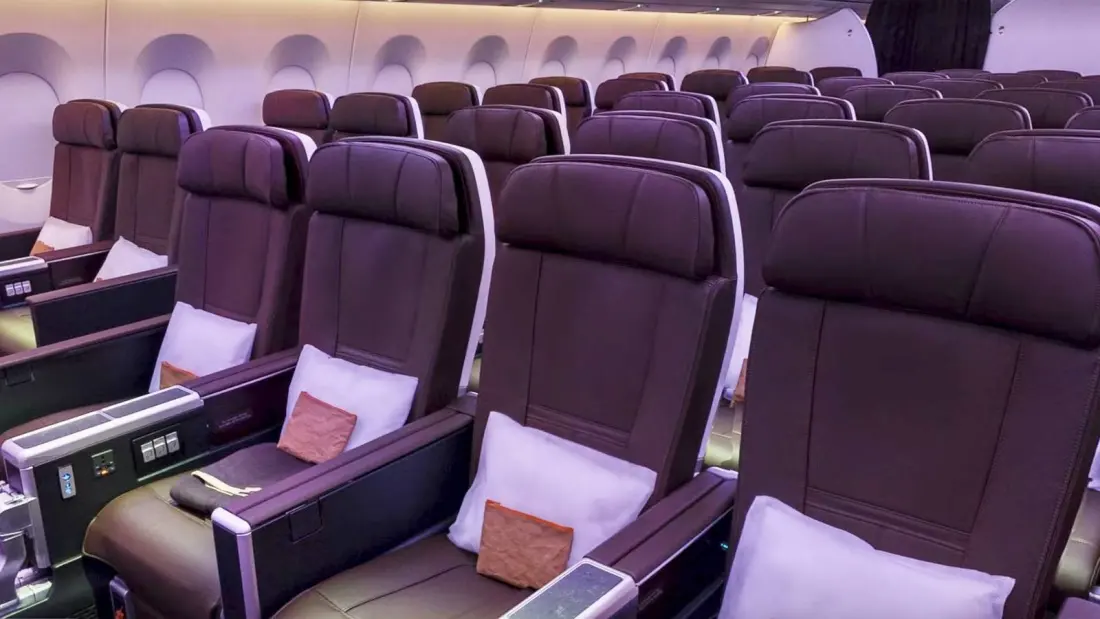
Virgin Atlantic is arguably the strongest case. Its premium economy was named the world's best at the 2025 Skytrax awards, with 38-inch pitch, priority check-in, generous baggage and one of the widest premium seats in the industry. Its business class ranks tenth globally, but on the busy transatlantic routes out of Heathrow and Manchester, business fares regularly run three to four times the premium economy price — a steep gap for a daytime flight where a lie-flat bed matters less.
Japan Airlines takes a different route to value. Its premium economy ranks second in the world, with around 42 inches of pitch, a deep recline and JAL's famously polished service — and business typically costs only two to two-and-a-half times more. Better still, JAL lets passengers bid cash to upgrade: buy an upgradable economy or premium ticket, then offer a lower price to move up a cabin. It's not guaranteed, but it can cut the cost of the fancier seat dramatically.
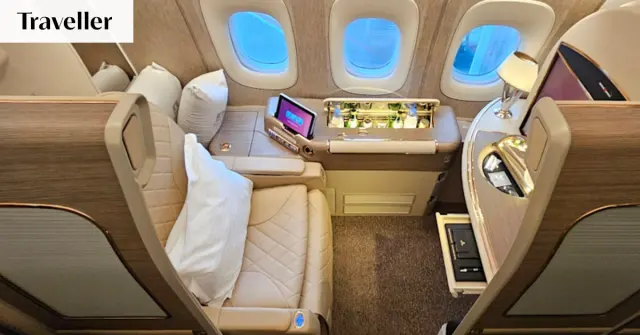
Emirates is the convert. For years it resisted premium economy, fearing it would cannibalise business class, but demand caught President Tim Clark off guard — he has admitted the airline was 'shocked' at how eagerly passengers pay for the seats, which reportedly sell like hot cakes. Its premium economy now ranks third in the world, ahead of its own business class at eleventh, making the cheaper cabin an easy sell on Dubai's long-haul network.
EVA Air practically invented the category, launching Evergreen Deluxe back in 1992 — the template for today's premium economy. Its modern product ranks fifth globally, with 787-9 cabins in a roomy 2-3-2 layout and a clever recline mechanism. Business class sits three to four times pricier.
Air New Zealand rounds out the list. Premium economy ranks 12th worldwide while its business class fails to crack the top 20, yet business can still cost up to triple. On the three-to-five-hour daytime widebody hops to Australia, premium economy with 41-inch pitch is easily enough.
Why it matters: if you're flying any of these five and the flight is daytime or under about eight hours, run the numbers before defaulting to business. The savings can fund several nights of your trip. Overnight long-hauls are different — that's when a flat bed earns its price — but even then, JAL's upgrade bidding offers a way to gamble on luxury at a discount. Notably, no US airline makes the cut; American premium economy is priced and positioned very differently from its Asian and European counterparts.