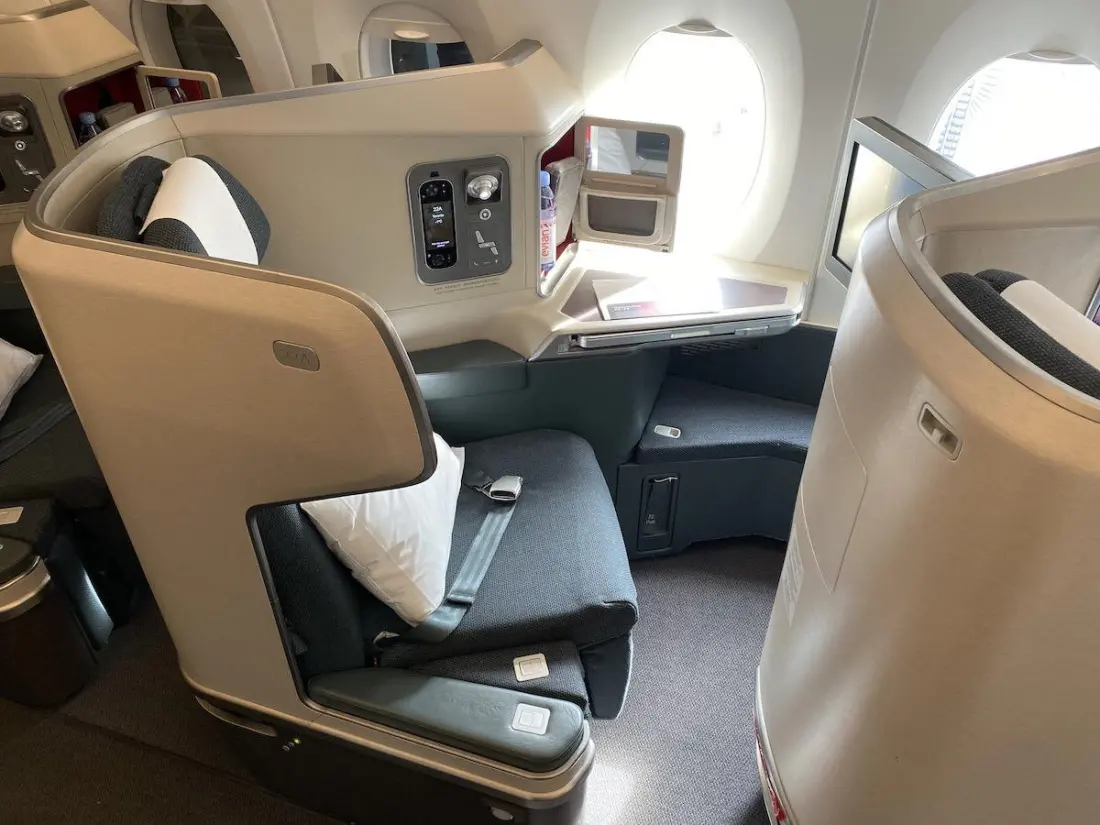
Booking a business class seat for your mum using your own miles is one of the nicer perks of loyalty programs — and the good news is that most airlines let you do exactly that. The general rule across hundreds of frequent flyer schemes is simple: you can redeem your miles for whoever you like, whether that's a friend, a partner or a stranger doing you a solid. You just enter the traveller's name during the booking, and off you go.
There are a few practical wrinkles. The smoothest approach is for the account holder to make the booking themselves, rather than handing over login details. Airline policies differ on this — some only let the account holder authorise a redemption, some allow anyone who can verify account details, and a few use a PIN system. Sharing your password with someone else technically works, but it carries obvious risk if the relationship goes sour.
One hard line: don't sell or barter your miles. Every major program prohibits it, and airline audit teams are good at spotting it. Get caught and you could lose your account and the ticket. Gifting is fine; transactions are not.
The exceptions cluster in Asia. ANA Mileage Club and Japan Airlines Mileage Bank restrict redemptions to relatives within two degrees of kinship. Asiana Club and Korean Air SkyPass limit it to immediate family, and Qantas Frequent Flyer requires the traveller to be family too — though Qantas's definition is generous, covering cousins, grandparents and domestic partners. British Airways only applies limits if you use a household account, in which case you can book for household members or up to five nominated travellers.
Others use nominee systems. Cathay Pacific Asia Miles lets you redeem for up to five nominees (no family relationship needed, though removing one can cost up to $50), while Singapore Airlines KrisFlyer works similarly — five nominees, a six-month minimum attachment to your account, and up to $30 to remove someone. EVA Air takes a different route: you transfer miles to the recipient's account first, free of charge but a bit of a chore.
A couple of quirks worth knowing. Rules apply to the program you book through, not the airline you fly — so you can book an ANA award through a partner program and skip ANA's family-only rule. Some airlines ask you to simply declare the relationship; others want proof. And definitions of family can get thorny, particularly for same-sex couples: Korean Air will recognise a relationship documented abroad, but couples whose home country doesn't legally recognise same-sex partnerships can hit a wall.
For travellers sitting on a points balance, this is genuinely useful. It means a household can pool earning into one person's account and still book awards for the whole family, or let one big earner send a friend on a long-haul premium cabin redemption. Just get the passport details right at booking — the name must match the ID presented at the airport — and check the rules of the specific program before you promise someone a free flight.
One Mile at a Time